If your skin looks uneven, rough, or bumpy under certain lighting, you may be dealing with textured skin. This common concern can affect all skin types and ages, often appearing as visible pores, small bumps, acne scars, or dry patches. While it may seem difficult to smooth out, understanding why these surface changes develop is the first step toward improving overall appearance.
From dead skin buildup to dehydration and past breakouts, several factors can contribute to uneven texture. The good news is that with the right routine and targeted treatments, the surface can become noticeably smoother over time.
1. What Is Textured Skin?
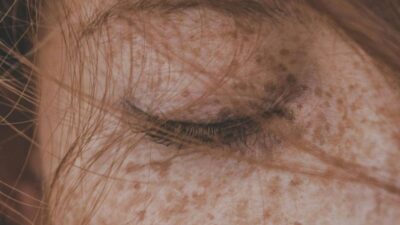
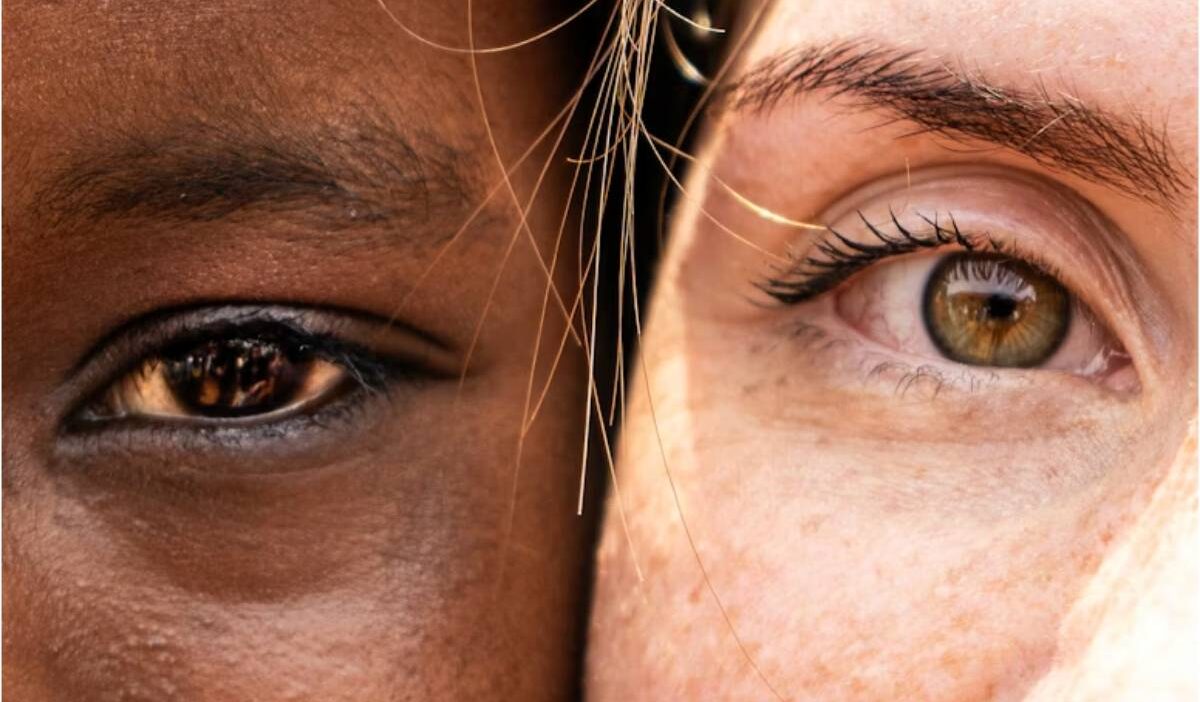
Textured skin refers to skin that feels or appears uneven rather than smooth. It may show small bumps, rough patches, visible pores, or slight irregularities in the surface. While everyone has natural skin texture, it becomes more noticeable when the surface reflects light unevenly or when makeup settles into tiny creases or pores.
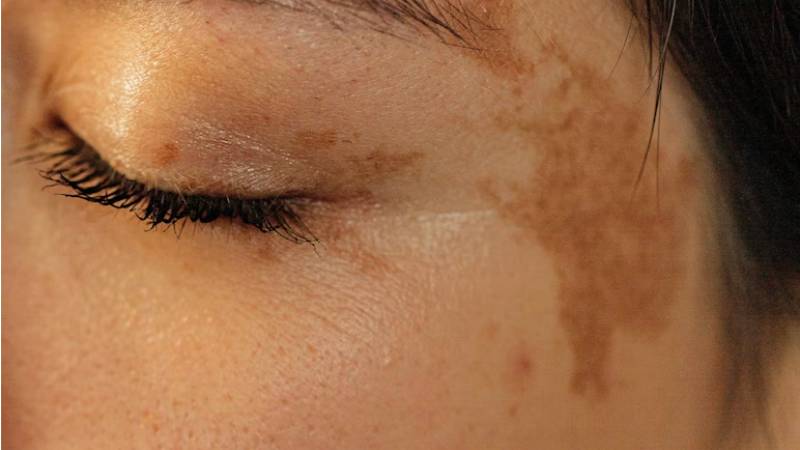
This uneven appearance can result from buildup of dead skin cells, clogged pores, past breakouts, or dehydration. In some cases, minor scarring or inflammation may also contribute to changes in surface smoothness. Understanding what causes these irregularities is the first step toward improving overall clarity and achieving a more refined-looking complexion.
2. Why Is My Skin So Textured?
Uneven texture can develop for several reasons, and it often results from a combination of internal and external factors. Roughness, small bumps, or an uneven surface may appear gradually or become more noticeable under certain lighting. Identifying the underlying cause is the first step toward improving overall smoothness.
Dead Skin Buildup
When dead skin cells accumulate on the surface, they can create a dull and rough appearance. Without regular, gentle exfoliation, this buildup prevents light from reflecting evenly, making the skin look uneven. Over time, clogged pores may also develop if excess debris is not removed effectively.
Enlarged Pores and Oil Production
Excess oil can stretch the appearance of pores, especially in the T-zone. When pores become more visible, the skin may appear uneven or bumpy. Fluctuations in oil production, hormones, or improper cleansing habits can all contribute to this concern.
Acne Scars and Post-Inflammatory Changes
Past breakouts can leave behind subtle scarring or uneven areas beneath the surface. Even when acne clears, the skin may retain minor indentations or raised areas.
Inflammation can also trigger changes in pigmentation, which may emphasize surface irregularities.
Dehydration and Barrier Damage
A weakened moisture barrier can make the surface feel rough or flaky. Dehydration reduces flexibility and can exaggerate fine lines and uneven patches. ‘Supporting hydration and repairing the barrier often helps improve smoothness and overall comfort.
3. How to Get Rid of Textured Skin
Improving uneven texture requires a consistent routine that focuses on gentle renewal and barrier support. Roughness can develop from clogged pores, buildup of dead skin cells, past acne, or dehydration.
For anyone researching how to get rid of textured skin on face, the most effective approach is targeting the underlying cause rather than layering multiple strong products at once.
Chemical Exfoliation
Chemical exfoliants such as alpha hydroxy acids and beta hydroxy acids help dissolve dead skin cells that accumulate on the surface.
By promoting steady cell turnover, they gradually improve rough patches and dullness. It is important to use exfoliants in moderation, as overuse can irritate the skin and worsen uneven areas.
Retinoids for Smoother Skin
Retinoids encourage faster cell renewal and support collagen production. With consistent use, they can help refine texture and reduce the appearance of mild post-acne marks. Because these ingredients can be potent, introducing them slowly helps minimize irritation.
Hydration and Barrier Repair
Not all uneven texture comes from clogged pores. Dehydrated skin can also feel rough and look dull.
Strengthening the moisture barrier with hydrating serums and nourishing moisturizers can improve flexibility and create a smoother overall appearance.
4. Best Foundation for Textured Skin
Choosing the right base makeup can make a noticeable difference in how smooth the skin appears. The goal is not to mask uneven areas with thick layers, but to create a soft, even finish that enhances the natural look of the skin. The right formula and application technique often matter more than full coverage.
Lightweight, Buildable Coverage
Lightweight formulas that allow gradual layering tend to perform better than heavy, full-coverage foundations. Thin layers help maintain a natural finish and reduce the risk of product settling into uneven areas. Building coverage slowly gives more control and prevents the surface from looking cakey.
Hydrating Formulas Over Matte Heavy Products
Hydrating or satin-finish foundations often create a smoother appearance compared to very matte formulas. Ultra-matte products can cling to dry patches and emphasize uneven texture. A formula that provides subtle luminosity helps reflect light more evenly across the skin.
Application Tips
Preparation plays an important role in achieving a refined finish. Start with proper moisturization to create a smoother base. Applying foundation with a damp sponge or gently pressing it into the skin, rather than dragging it, can help minimize visible unevenness.
Using minimal product and blending carefully often produces the most natural-looking results.
5. Conclusion
Uneven texture can develop from buildup, enlarged pores, past acne, or dehydration, but it is often manageable with a balanced and consistent routine. Focusing on gentle exfoliation, steady renewal, and strong barrier support helps improve smoothness over time. Rather than relying on aggressive treatments, gradual care and proper hydration can make a noticeable difference in overall skin clarity and appearance.
Follow 456 Skin for expert-backed skincare insights and practical tips you can trust.
6. FAQs
What causes uneven texture to appear suddenly?
Surface irregularities can become more noticeable due to buildup of dead skin cells, clogged pores, dehydration, or irritation from introducing new skincare products.
Can uneven texture be permanent?
Some forms of surface changes, such as deeper acne scars, may require professional treatments. Mild roughness on the outer layer often improves with consistent care.
How often should I exfoliate?
Most skin types benefit from gentle exfoliation one to three times per week, depending on sensitivity and product strength.
Does hydration really help smooth the skin?
Yes. Proper hydration supports flexibility and barrier function, which can reduce the appearance of rough patches.
Can makeup make uneven areas look worse?
Heavy or overly matte formulas may emphasize surface irregularities. Proper skin preparation and lightweight products usually create a more refined finish.