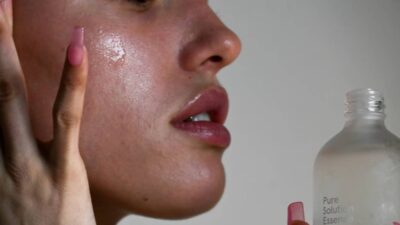
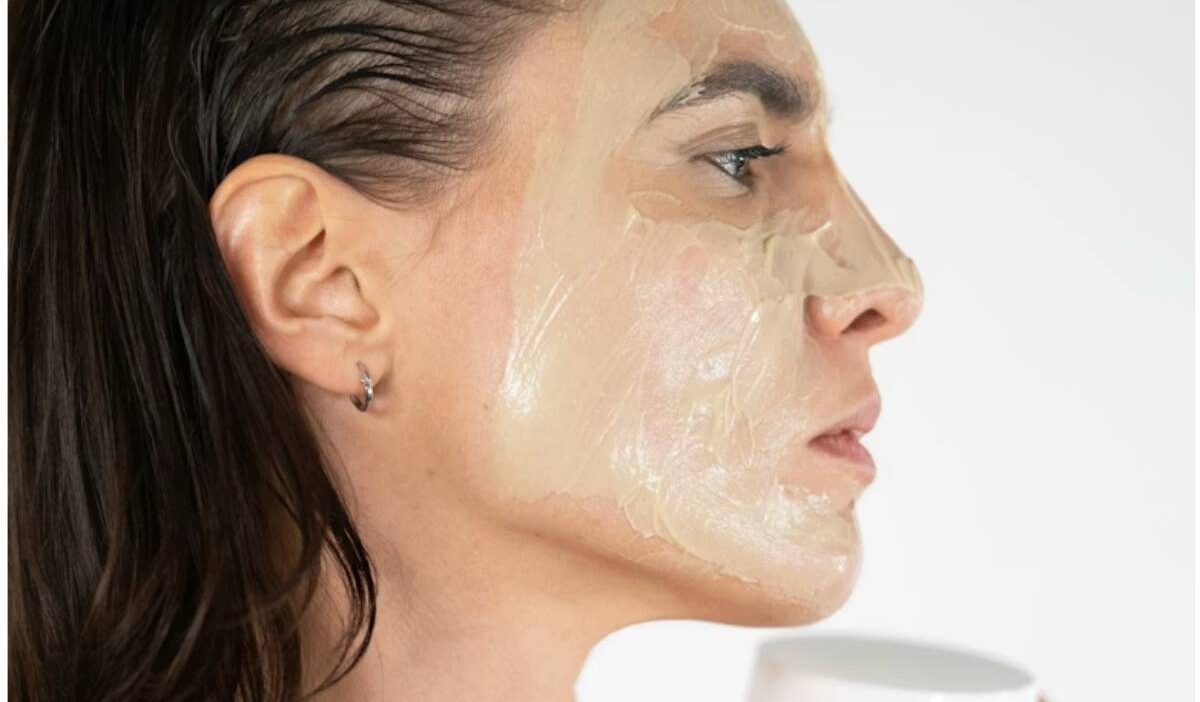
An exfoliating mask for face is designed to remove dead skin cells, unclog pores, and improve overall skin texture in a short treatment session. Unlike daily cleansers or mild scrubs, a face mask for exfoliation typically contains more concentrated active ingredients that help resurface the skin more effectively.
1. What Is an Exfoliating Mask for Face?
This type of treatment is designed to remove dead skin cells from the surface and promote smoother renewal.
Unlike daily cleansers, it typically contains active ingredients that work more intensively to loosen buildup, refine texture, and improve overall clarity. It is usually applied for a short period and then rinsed off.
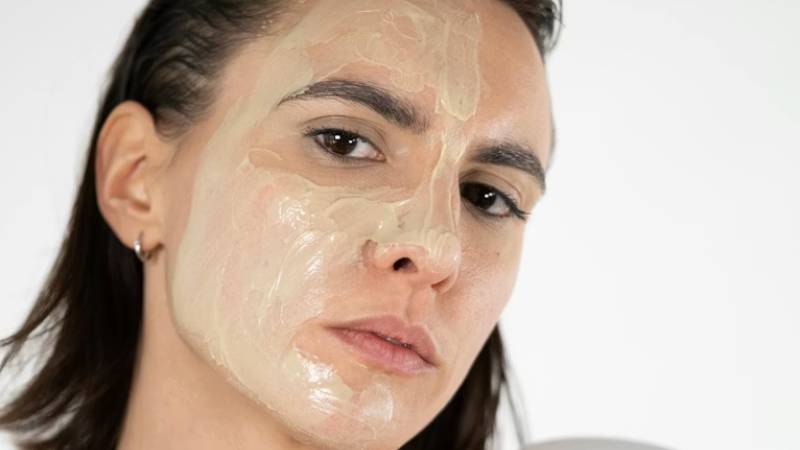
These masks can contain either chemical exfoliants, such as fruit acids or enzymes, or gentle physical particles that help polish the surface. By encouraging controlled cell turnover, they support a brighter and more even appearance.
When used appropriately and not too frequently, they can complement a regular skincare routine without overwhelming the skin barrier.
2. Types of Exfoliating Masks
There are several formats available, and choosing the right exfoliating mask for face depends on how your skin reacts to active ingredients and texture. Some formulas rely on chemical exfoliants to dissolve buildup, while others use fine particles to manually polish the surface.
Chemical vs. Physical Exfoliating Masks
Chemical options use ingredients such as alpha hydroxy acids, beta hydroxy acids, or fruit enzymes to loosen dead skin cells without scrubbing.
These are often preferred for achieving even exfoliation. Physical versions contain small granules that manually buff away buildup. While they can leave skin feeling instantly smooth, they must be used gently to avoid micro-tears or irritation.
Which Type Is Best for Sensitive Skin?
Sensitive skin generally responds better to mild chemical exfoliants or enzyme-based formulas rather than coarse scrubs. Lower concentrations and shorter application times reduce the risk of redness.
Patch testing and gradual introduction are especially important for maintaining barrier health while still improving texture.
3. How to Use an Exfoliating Mask Safely
Using an exfoliating mask for face correctly is essential to avoid irritation and barrier damage. Start by applying it to clean, dry skin and follow the recommended frequency on the product label, which is often once or twice a week. Avoid layering it with other strong actives on the same day, especially retinoids or additional exfoliating acids. After rinsing, apply a hydrating serum or moisturizer to support recovery.
Signs You’re Over-Exfoliating
Redness, stinging, excessive dryness, or increased sensitivity can signal that the skin barrier is becoming compromised.
Flaking that persists beyond a day or two, or a burning sensation when applying basic skincare products, may also indicate overuse. Reducing frequency and focusing on hydration can help restore balance.
How Long Should You Leave It On?
Application time varies depending on the formula and strength. Some masks are designed to sit on the skin for five to ten minutes, while gentler enzyme-based versions may allow slightly longer contact.
Leaving it on longer than instructed does not improve results and may increase irritation, so following product guidelines is important for safe use.
4. Who Should Avoid Exfoliating Masks?
Certain individuals should be cautious or avoid exfoliating treatments altogether. People with active skin infections, open wounds, severe rosacea, eczema flare-ups, or recently treated skin from procedures such as laser therapy may experience increased irritation. Those with highly reactive or compromised skin barriers should focus on restoring and strengthening the skin before introducing exfoliating products.
DIY treatments can also be risky, especially when using abrasive particles or highly acidic ingredients. Without proper formulation and balanced pH levels, these mixtures may disrupt the barrier and increase sensitivity rather than improve texture.
If you are unsure whether exfoliation is appropriate for your skin type or condition, seeking professional advice can help ensure a safer and more effective approach.
5. How to Choose the Right Exfoliating Mask for Your Skin Type
Choosing the right formula depends on your skin’s sensitivity level, oil production, and overall condition. Oily or acne-prone skin may respond well to masks containing salicylic acid or clay-based ingredients that help clear buildup. Dry or sensitive skin often benefits more from mild fruit enzymes or low-strength acids that encourage renewal without causing irritation.
Some people consider using a homemade face mask for exfoliating, but caution is important. DIY mixtures can sometimes be too abrasive or unbalanced in pH, especially for delicate or reactive skin types. If you prefer a natural approach, it is essential to avoid harsh scrubs or acidic ingredients that may damage the skin barrier.
Ultimately, selecting a well-formulated product that aligns with your skin’s needs and tolerance level will help improve smoothness safely and effectively over time.
6. Conclusion
An exfoliating mask for face can be a valuable addition to your skincare routine when used thoughtfully and consistently. By helping remove surface buildup and encouraging smoother renewal, it supports improved texture and a more refined appearance over time. The key is selecting a formula that suits your skin type and using it at a frequency that maintains balance rather than causing irritation.
Follow 456 Skin for expert-backed skincare insights and practical tips you can trust.
7. FAQs
How often should I use an exfoliating mask?
Most people benefit from using this treatment one to two times per week, depending on skin sensitivity and the strength of the formula. Overuse can weaken the barrier and cause irritation, so spacing out applications is important for maintaining balance.
Can an exfoliating mask for face help with dull skin?
Yes, an exfoliating mask for face can help improve dullness by removing surface buildup and encouraging smoother cell turnover. As dead skin cells are lifted away, the complexion often appears brighter and more even.
Is it safe to use with retinol or other active ingredients?
It is generally best to avoid using strong actives such as retinoids, high-percentage acids, or peels on the same day. Combining multiple exfoliating treatments can increase sensitivity and dryness.
Can sensitive skin use exfoliating treatments?
Sensitive skin can use mild enzyme-based or low-strength chemical formulas, but patch testing and gradual introduction are recommended. Shorter application times may also help reduce irritation risk.
What should I apply after exfoliating?
After rinsing, apply a hydrating serum and a moisturizer to support barrier recovery. During the day, sunscreen is essential to protect newly renewed skin from UV damage and prevent irritation.