
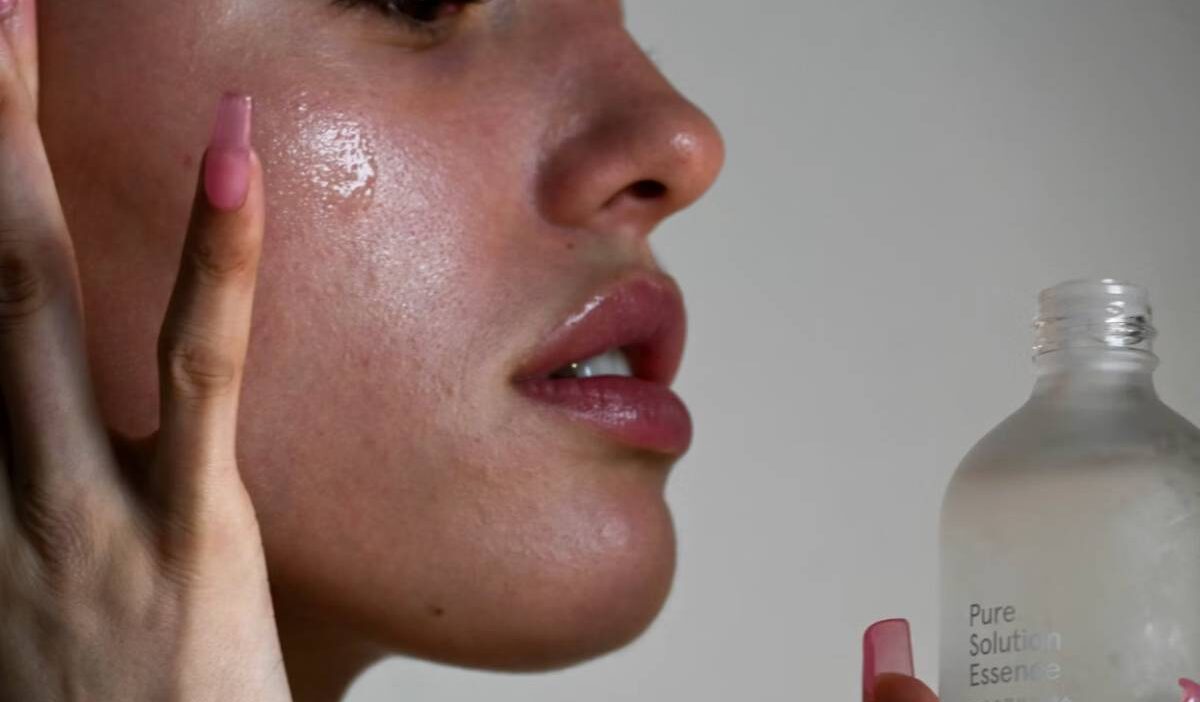
Finding the best skin care products for hyperpigmentation can feel overwhelming when dark spots and uneven tone refuse to fade. Hyperpigmentation develops from factors such as sun exposure, acne, and hormonal changes, and effective treatment requires ingredients that regulate melanin production while supporting healthy skin renewal.
Choosing carefully formulated products and using them consistently can help improve clarity and achieve a more even-looking complexion over time.
1. What Are the Best Skin Care Products for Hyperpigmentation?

The best skin care products for hyperpigmentation are formulated to reduce excess melanin production while supporting healthy skin renewal. Dark spots can develop due to sun exposure, acne, hormonal changes, or inflammation, and effective treatment depends on targeting the root cause of discoloration. Ingredients that regulate pigment formation, promote gentle cell turnover, and protect the skin barrier are typically the most reliable options for improving uneven tone over time.
2. Skin Products for Hyperpigmentation That Dermatologists Recommend
Dermatologists often recommend treatments for dark spots that are supported by clinical research and designed for safe, long-term use. Rather than relying on quick fixes, professionals usually focus on ingredients that regulate pigment production, encourage healthy cell turnover, and protect the skin barrier. Consistency and daily sun protection are just as important as the active ingredients themselves when aiming for visible improvement.
Vitamin C Serums for Brightening
Vitamin C is widely used for its antioxidant properties and its ability to support a more even-looking complexion. It helps reduce oxidative stress and can interfere with melanin formation, making it useful for surface-level discoloration. When applied in the morning alongside sunscreen, it can enhance overall brightness and help protect against environmental stressors.
Retinoids for Cell Turnover
Retinoids increase cellular renewal, allowing pigmented cells to shed more efficiently over time. This gradual turnover can improve both texture and uneven tone. Because retinoids are potent, they should be introduced slowly and used consistently to minimize irritation and maintain barrier balance.
Niacinamide and Tranexamic Acid
Niacinamide supports barrier strength and helps regulate pigment transfer within the skin. Tranexamic acid is often selected for more persistent discoloration, including hormonally influenced dark patches. These ingredients are frequently chosen for their balance of effectiveness and tolerability.
Chemical Exfoliants (AHA, BHA, PHA)
Chemical exfoliants remove dull surface buildup and promote smoother renewal. Alpha hydroxy acids are commonly used for surface pigmentation, while beta hydroxy acids can benefit acne-prone skin.
Polyhydroxy acids offer a gentler alternative for sensitive types. When used appropriately, these ingredients support gradual improvement in uneven tone without overly stressing the skin.
3. Best Products for Hyperpigmentation in Brown Skin
Addressing uneven tone in brown and melanin-rich skin requires a cautious and thoughtful approach because this skin type is more prone to post-inflammatory darkening. Even mild irritation can stimulate additional pigment production, potentially worsening discoloration instead of improving it.
For this reason, treatment strategies should focus on gradual correction, barrier protection, and minimizing inflammation rather than aggressive resurfacing methods.
In deeper skin tones, consistency and gentle formulation tend to be more effective than high-concentration products. Ingredients that regulate pigment while preserving the skin barrier generally deliver safer and more reliable long-term improvement.
Ingredients That Are Safer for Brown and Melanin-Rich Skin
Niacinamide, azelaic acid, and tranexamic acid are often well tolerated and help regulate excess pigment without causing significant irritation. Low-strength retinoids may also be beneficial when introduced slowly and used consistently. These ingredients support a more even tone while reducing the risk of rebound discoloration.
Barrier-supporting components such as ceramides and hyaluronic acid are equally important. Maintaining proper hydration helps calm inflammation and lowers the likelihood of new dark spots forming.
Treatments to Approach Carefully
High-percentage chemical peels, strong exfoliants, or improperly performed laser procedures can increase the risk of post-inflammatory hyperpigmentation in melanin-rich skin. Even topical acids should be introduced gradually and monitored closely for signs of irritation.
When treating discoloration in deeper skin tones, patience and moderation are often more effective than rapid correction methods.
4. How to Choose the Right Product for Your Type of Hyperpigmentation
Choosing the right treatment depends on identifying both the cause and the depth of your discoloration. The best skin care products for hyperpigmentation are not one-size-fits-all solutions.
Post-acne marks, sun spots, and melasma respond differently to active ingredients, so selecting a product should be based on the specific type of pigmentation you are treating.
For post-inflammatory marks caused by acne or irritation, ingredients that promote gradual cell turnover, such as retinoids and mild exfoliating acids, are often effective. If discoloration is triggered by sun exposure, antioxidant serums paired with daily sunscreen become especially important.
For hormonally influenced pigmentation such as melasma, pigment-regulating ingredients combined with barrier-supporting formulas are typically safer than aggressive resurfacing treatments.
Ultimately, selecting the best skin care products for hyperpigmentation means matching the formulation to your skin type, sensitivity level, and the underlying cause of uneven tone.
5. How Long Do Skin Products Take to Fade Hyperpigmentation?
Fading dark spots is a gradual process because the skin renews itself in cycles. Most topical treatments work by slowing melanin production or increasing cell turnover, both of which require time to show visible changes.
Mild surface discoloration may begin to improve within 4 to 6 weeks, while deeper pigmentation such as melasma can take 8 to 12 weeks or longer.
Results depend on consistency, ingredient strength, and proper sun protection. Skipping sunscreen or frequently switching products can delay progress. A steady routine combined with daily UV protection typically produces more reliable and long-lasting improvement in overall skin tone.
6. Conclusion
Finding the best skin care products for hyperpigmentation means focusing on ingredients that regulate pigment, support cell turnover, and protect the skin barrier. Whether you are addressing post-acne marks, sun spots, or uneven tone, gradual and consistent treatment is key.
Follow 456 Skin for expert-backed skincare insights and practical tips you can trust.
7. FAQs
What are the best skin care products for hyperpigmentation?
Formulas containing vitamin C, retinoids, niacinamide, tranexamic acid, and gentle exfoliating acids are commonly recommended to help reduce the appearance of dark spots and uneven tone.
How long does it take to see results?
Mild discoloration may begin to improve within 4 to 6 weeks, while deeper pigmentation can take several months of consistent use and proper sun protection.
Are topical treatments for dark spots safe for sensitive skin?
Yes, but choosing gentle formulations and introducing active ingredients gradually is important to lower the risk of irritation.
What works well for melanin-rich skin?
Ingredients that regulate pigment without triggering inflammation, such as niacinamide and azelaic acid, are often preferred because they support even tone while minimizing the chance of rebound darkening.
Can hyperpigmentation come back after treatment?
Yes. Without daily sun protection and ongoing maintenance, new areas of discoloration can develop over time.