Finding the best face wash for aging skin becomes increasingly important as skin loses moisture, elasticity, and natural resilience over time. Mature skin is more prone to dryness and sensitivity, which means harsh cleansers can worsen tightness and highlight fine lines.
Choosing a gentle, hydrating formula helps maintain the skin barrier while effectively removing impurities, setting a healthier foundation for the rest of your routine.
What Is the Best Facial Cleanser for Aging Skin?
When people ask what the best facial cleanser for aging skin is, the answer usually comes down to two things: gentleness and hydration.
As skin matures, it produces less oil and loses moisture more easily. That means cleansing should remove dirt and impurities without weakening the skin barrier.
Creamy, lotion-based, or low-foam formulas are generally more suitable than strong gel or high-foam cleansers. These textures help maintain essential moisture while still providing effective cleansing. The goal is to leave skin feeling soft and balanced, not tight or stripped.
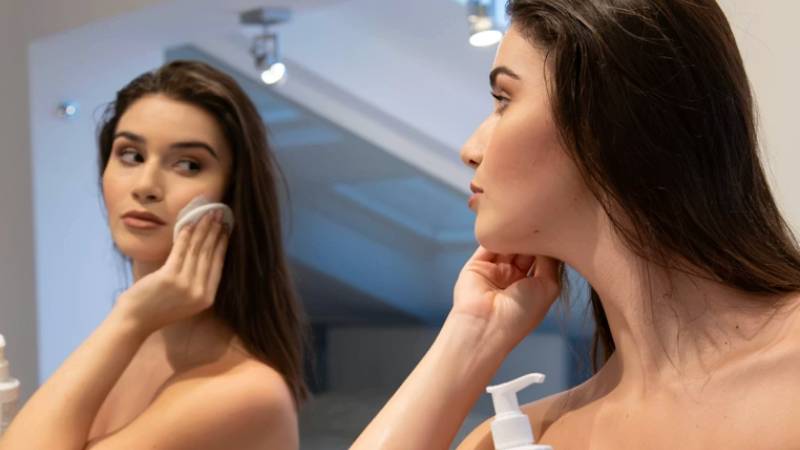
Some individuals prefer plant-based formulas and search for the best natural face wash for aging skin. Natural ingredients can be beneficial, but the most important factor is formulation. A well-designed cleanser, whether natural or conventional, should be fragrance-free, non-drying, and enriched with barrier-supporting ingredients. For aging skin, comfort after cleansing is a better indicator of quality than heavy foam or a squeaky-clean finish.
2. Why Aging Skin Needs a Gentle Face Wash
As skin ages, collagen production slows, natural oil levels decrease, and the protective barrier becomes more fragile. These changes make mature skin more vulnerable to dryness, irritation, and visible fine lines. Using a harsh cleanser can strip essential moisture, leaving the skin tight and uncomfortable. This is why selecting the best face wash for aging skinis more important than many people realize.
Hot water, strong surfactants, and over-cleansing can all weaken the barrier and accelerate moisture loss. When the barrier is compromised, skin may appear dull, flaky, or more textured.
Mature skin benefits from cleansers that effectively remove impurities without disrupting its natural lipid layer. Preserving these protective oils helps maintain smoothness and resilience over time.
Even when searching for the best natural face wash for aging skin, it is important to read ingredient lists carefully. Not all natural ingredients are gentle.
Some plant extracts or essential oils can be overly astringent or sensitizing, especially on thinner, more delicate skin. A formula labeled natural should still prioritize hydration, barrier support, and low-irritation cleansing agents.
A gentle cleansing approach supports elasticity, reduces unnecessary sensitivity, and creates a healthier foundation for serums and moisturizers. Over time, consistent use of a mild, well-formulated cleanser can help aging skin look more balanced, comfortable, and refined.
3. Key Ingredients to Look for in the Best Face Wash for Aging Skin
When choosing the best face wash for aging skin, the ingredient list matters more than the texture alone. Mature skin benefits from formulas that cleanse gently while preserving hydration and supporting long-term resilience.
The right ingredients can help prevent dryness, irritation, and dullness that often become more noticeable with age.
Hydrating and Barrier-Supporting Ingredients
Look for humectants and barrier-repair components such as glycerin, hyaluronic acid, ceramides, and squalane.
These ingredients help retain moisture during cleansing and reduce the tight feeling that can follow washing. Strengthening the barrier is especially important because mature skin repairs itself more slowly.
Mild Exfoliating Ingredients
Low concentrations of lactic acid or enzyme-based exfoliants can improve surface dullness without causing irritation.
Gentle exfoliation supports smoother texture and helps remove dead skin buildup, but strong scrubs or high-percentage acids should be avoided.
Antioxidants That Support Mature Skin
Antioxidants like vitamin E and green tea extract help defend against environmental stress.
Although cleansers are not left on the skin for long, incorporating antioxidant-rich formulas can contribute to overall skin support when used consistently.
4. Best Face Wash for Dry Aging Skin
Dry, mature skin requires extra care during cleansing because it is more prone to tightness, flaking, and sensitivity. As oil production declines with age, the skin’s ability to retain moisture weakens, making it easier for harsh cleansers to cause discomfort. Choosing the right formula can make a noticeable difference in how the skin feels immediately after washing.
Creamy, non-foaming cleansers are often the most comfortable option because they remove impurities without stripping natural oils. These formulas tend to have a softer texture and are less likely to disrupt the moisture barrier. Ingredients such as ceramides, glycerin, hyaluronic acid, and nourishing lipids help maintain hydration levels and reduce the risk of post-wash dryness.
It is also important to avoid cleansers with high alcohol content, strong synthetic fragrances, or aggressive exfoliating particles. These components can increase irritation and worsen dryness in already delicate skin. Instead, look for gentle, fragrance-free options designed to support barrier health.
A hydrating formula that leaves the skin feeling soft and supple rather than tight is typically the most suitable choice for dry, aging complexions. Over time, using a moisture-focused cleanser can help improve comfort, reduce visible flakiness, and support a smoother overall appearance.
5. How to Wash Aging Skin Without Causing Damage
Even when using the best face wash for aging skin, proper cleansing technique is just as important as the formula itself.
Mature skin tends to be thinner, drier, and slower to repair, which means aggressive washing habits can lead to irritation, tightness, and increased sensitivity. Gentle handling during cleansing helps preserve the moisture barrier and maintain a smoother appearance over time.
Use Lukewarm Water
Hot water may feel relaxing, but it can strip natural oils and weaken the protective barrier. Lukewarm water is ideal because it removes impurities without increasing dryness. This simple adjustment can help prevent the tight, uncomfortable feeling that often follows washing.
Avoid Overwashing
Cleansing too frequently can disrupt the skin’s balance and reduce its ability to retain moisture. Most mature skin types benefit from washing once in the morning and once at night. If skin feels particularly dry, a gentle rinse in the morning may be enough before applying moisturizer and sunscreen.
Always Moisturize After Cleansing
After washing, gently pat the skin dry with a soft towel instead of rubbing. Apply a hydrating serum or moisturizer while the skin is still slightly damp to help lock in moisture. Supporting hydration immediately after cleansing helps maintain elasticity and reduces the risk of flaking or irritation.
6. Conclusion
Choosing the best face wash for aging skin involves more than simply picking a popular product. Mature skin requires gentle cleansing, hydration support, and barrier-friendly ingredients to maintain comfort and smoothness. By selecting the right formula and using proper washing techniques, you can cleanse effectively without increasing dryness or irritation, helping your skin look healthier and more balanced over time.
Follow 456 Skin for expert-backed skincare insights and practical tips you can trust.
7. FAQs
What is the best face wash for aging skin?
The best face wash for aging skin is typically a gentle, hydrating cleanser that removes impurities without stripping natural oils or weakening the moisture barrier.
Can aging skin use foaming cleansers?
Some foaming cleansers are suitable if they are mild and sulfate-free, but cream or lotion-based formulas are often more comfortable for mature skin.
How often should mature skin be washed?
Most people benefit from cleansing once or twice daily. Overwashing can increase dryness and sensitivity.
Are exfoliating cleansers safe for older skin?
Mild exfoliating ingredients can help with dullness, but harsh scrubs or high-strength acids should be used cautiously to avoid irritation.
Should moisturizer always follow cleansing?
Yes. Applying moisturizer immediately after washing helps lock in hydration and support the skin barrier.