Finding the best anti aging night cream becomes increasingly important as skin changes in your 50s and 60s. With reduced collagen production, slower cell turnover, and increased dryness, mature skin benefits from richer, more targeted nighttime formulas. A well-formulated night cream works while you sleep to support hydration, improve elasticity, and reduce the appearance of fine lines.
Understanding which ingredients deliver results and how to select the right cream for your age and skin type can help you build a routine that supports healthier, more resilient skin over time.
1. What Is the Best Anti Aging Night Cream?
The best anti aging night cream is a formula specifically designed to support the skin’s natural repair process while you sleep. At night, the skin shifts into recovery mode, increasing cell turnover and focusing on restoration rather than protection. This makes bedtime an ideal opportunity to apply richer, more concentrated treatments that help replenish moisture and improve the appearance of fine lines.
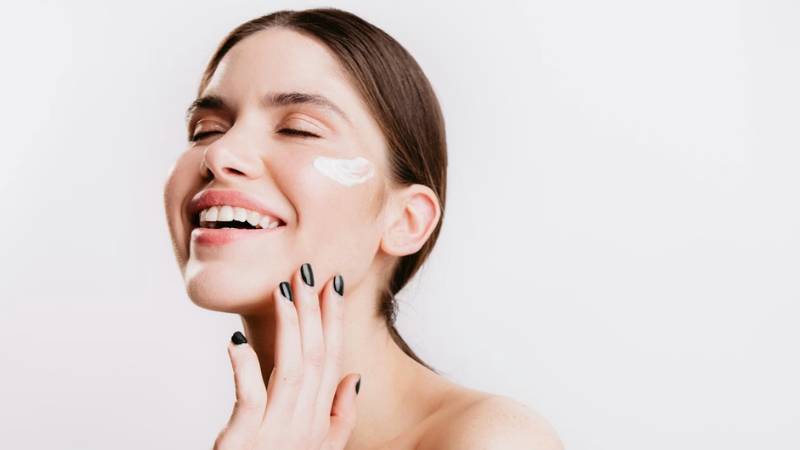
A well-formulated night cream should prioritize deep hydration, barrier reinforcement, and gradual improvement in firmness and texture. Ingredients that support collagen production, enhance elasticity, and reduce dryness are particularly beneficial for mature skin. Because aging skin often becomes thinner and more sensitive, a balanced formula that delivers nourishment without causing irritation is essential.
Rather than choosing a product based solely on branding or trending ingredients, it is important to consider your skin type, tolerance level, and specific concerns. Dry skin may need a more lipid-rich texture, while combination skin may benefit from a slightly lighter yet still nourishing formula.
With consistent use, the right night cream can help the skin appear smoother, more supple, and better supported over time.
2. How to Choose the Best Anti-Aging Night Cream
Mature skin often requires richer textures, barrier-supporting ingredients, and carefully selected activities that encourage renewal without causing irritation.
Ingredients That Actually Work
For individuals in their 50s, the best anti aging night cream for 50s typically includes retinoids or peptides to support collagen and improve firmness, combined with hydrating ingredients to reduce dryness. In the 60s, the best anti aging night cream for 60s often emphasizes deeper nourishment, incorporating ceramides, fatty acids, and humectants to strengthen the moisture barrier.
Regardless of age, effective formulas usually contain ingredients that encourage gradual renewal while maintaining comfort and elasticity.
Ingredients to Avoid for Mature Skin
Highly fragranced products, strong alcohol-based formulations, or overly aggressive exfoliating acids can irritate delicate skin. As skin becomes thinner and more sensitive over time, minimizing harsh components helps prevent redness, dryness, and barrier disruption.
Choosing balanced, well-formulated creams often leads to better long-term results than selecting products solely based on strength.
3. Best Anti Aging Night Cream for Adults
The best anti aging night cream for adults should focus on three core goals: restoring hydration, supporting firmness, and encouraging gradual collagen renewal. As the skin moves through different decades, structural changes become more noticeable.
Collagen production slows, elasticity decreases, and natural oil levels decline, which can lead to dryness and deeper fine lines. A nighttime formula designed to work during the skin’s repair cycle can help address these concerns more effectively.
In the 50s, many individuals begin to prioritize improved elasticity and visible line reduction. Formulas that contain peptides, retinoids, and moisture-binding ingredients are often preferred because they support renewal while keeping the skin comfortable.
Texture also matters at this stage; creams that provide moderate richness without feeling overly heavy can help maintain balance.
In the 60s and beyond, deeper nourishment and barrier repair typically become more important. The skin may feel thinner and more fragile, making lipid-rich creams with ceramides, fatty acids, and humectants especially beneficial. These ingredients help replenish moisture reserves and strengthen the protective barrier overnight.
Regardless of age, consistency is key. A well-balanced formula that supports overnight recovery, protects the moisture barrier, and encourages gradual improvement in firmness can help enhance smoothness and resilience over time.
4. How Long Does It Take to See Results?
Visible improvement from a night cream depends on the ingredients used and how consistently the product is applied. Hydration benefits are often noticeable within a few days, as the skin feels softer and more comfortable. However, changes in firmness, fine lines, and overall texture typically require more time.
Most renewal-focused ingredients, such as retinoids or peptides, may take 8 to 12 weeks of regular use to show meaningful results. Because skin naturally renews in cycles, gradual improvement is expected rather than instant transformation.
Consistency, proper application, and daily sun protection all play an important role in supporting long-term progress.
5. Conclusion
Selecting the best anti aging night cream involves understanding how your skin changes over time and choosing ingredients that support hydration, renewal, and barrier strength. As collagen production slows and moisture levels decline, mature skin requires consistent nourishment rather than harsh or overly aggressive treatments.
A well-formulated nighttime product should complement the skin’s natural repair cycle and provide steady support instead of promising instant transformation.
Follow 456 Skin for expert-backed skincare insights and practical tips you can trust.
6. FAQs
What is the best anti aging night cream for mature skin?
The best anti aging night cream for mature skin is typically one that combines hydration, collagen-supporting ingredients, and barrier-repair components to address dryness and loss of firmness.
Can I use a night cream every evening?
Yes, most formulas are designed for nightly use. If the cream contains strong renewal ingredients, start gradually and increase frequency as tolerated.
Should I apply night cream after serum?
Yes. Serums are usually applied first, followed by a cream to help seal in moisture and active ingredients.
At what age should I start using a night cream?
Many people begin in their late 30s or 40s, depending on skin concerns such as fine lines, dryness, or reduced elasticity.
How long before I notice smoother skin?
Hydration improvements may be noticeable within days, while visible changes in firmness or fine lines usually require several weeks of consistent use.