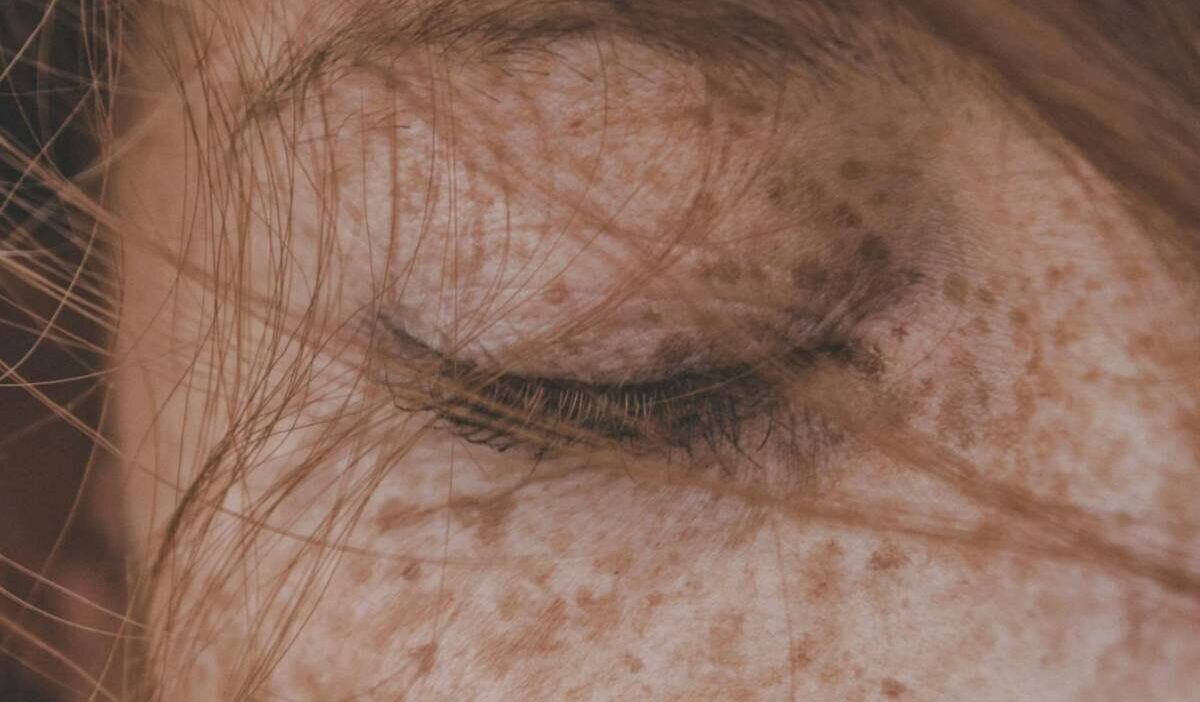
A skin tag on eyelid can be surprising and sometimes concerning, especially because the eyelid area is delicate and highly visible. These small, soft growths often develop in areas where skin folds or experiences friction, and the eyelid is no exception. Although they are usually harmless, many people wonder whether medical attention is necessary or if removal is an option.
1. What Does a Skin Tag on Eyelid Look Like?
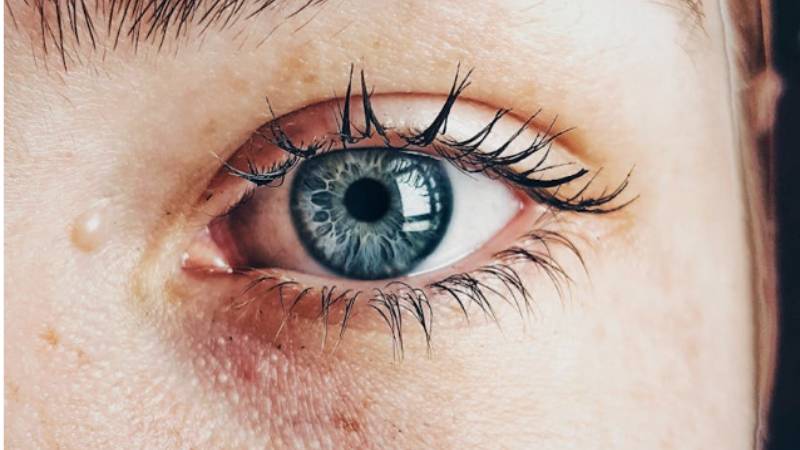
Small, soft growths that develop along the lash line or upper lid are typically flesh-colored or slightly darker than the surrounding skin. They may appear smooth or slightly wrinkled and often hang from a thin stalk. These growths are usually painless, though they can become irritated if rubbed by makeup, contact lenses, or frequent touching.
Many people first notice them while researching how to remove skin tag on eyelid, especially if the area feels uncomfortable or affects appearance.
Common Appearance
They are generally round or oval and feel soft to the touch. Unlike pimples, they do not contain fluid or pus. Some individuals begin searching for how to get rid of skin tag on eyelid when the growth increases in size or becomes more noticeable in photos or mirrors. Despite their appearance, they are usually benign and slow-growing.
How It Differs From Other Eyelid Bumps
These growths differ from styes, milia, or cysts. A stye is often painful and associated with infection, while milia are tiny white bumps caused by trapped keratin.
Cysts tend to feel firmer beneath the skin. When comparing options like skin tag on eyelid removal at home, it is important to correctly identify the type of bump first, since not all eyelid growths should be treated the same way.
2. Is a Skin Tag on Eyelid Dangerous?
In most cases, a skin tag on eyelid is not dangerous. These growths are benign and do not develop into cancer. They often form due to friction, aging, or mild skin irritation.
However, because the eyelid is delicate and constantly moving, even a small growth in this area can sometimes cause mild discomfort or interfere slightly with vision if it becomes larger.
Although usually harmless, it is important to observe any changes. Rapid color changes, unexplained bleeding, increasing pain, or sudden growth should be evaluated by a medical professional. Monitoring these signs helps ensure that the growth is correctly identified and not confused with another condition that may require treatment.
3. How to Remove Skin Tag on the Eyelid
Removal options depend on the size, location, and level of irritation caused by the growth. Because the eyelid is delicate and located close to the eye, professional evaluation is strongly recommended before attempting any treatment.
Healthcare providers may use methods such as cauterization, freezing techniques, or minor surgical excision to remove the growth safely and precisely.
Attempting to cut, tie off, or apply strong chemical products at home can increase the risk of infection, scarring, or accidental eye injury. Over-the-counter removal kits are generally designed for thicker skin areas and are not suitable for use near the eyes.
If the growth becomes irritated, bleeds, affects vision, or continues to grow, seeking medical advice is the safest approach. Proper removal performed in a controlled setting helps minimize complications and promotes better healing.
4. When to See a Doctor About a Skin Tag on Eyelid
Most eyelid growths are harmless, but certain changes should prompt medical evaluation. If the area increases quickly in size, changes color, bleeds without injury, or becomes painful, it is important to have it examined by a healthcare professional. Rapid changes may indicate irritation or another condition that requires proper diagnosis.
You should also seek medical advice if the growth interferes with blinking, causes ongoing discomfort, or affects vision. Because the eyelid is highly sensitive and close to the eye surface, professional assessment and treatment are generally safer than attempting removal on your own.
A doctor can confirm what it is and recommend the most appropriate option.
5. Conclusion
In most cases, a skin tag on eyelid is a benign growth that develops due to friction, minor irritation, or natural skin changes over time. Although its location can make it feel more concerning or noticeable, the majority of cases do not pose serious health risks. Monitoring any skin tag on eyelid for changes in size, color, shape, or sensation is important to ensure it remains harmless and properly evaluated if needed.
Follow 456 Skin for expert-backed skincare insights and practical tips you can trust.
6. FAQs
Are eyelid growths common?
Yes, small benign growths around the eye area are relatively common. They can develop as part of natural skin aging, repeated friction, or mild irritation. Because the eyelids move constantly and have thin skin, minor changes can become noticeable more quickly than on other areas of the body.
Do they disappear on their own?
In most cases, these growths remain stable and do not fall off without treatment. They may stay small for years without causing problems. While spontaneous disappearance is uncommon, many people choose to leave them alone if they are not bothersome or changing.
Is it safe to try removal products near the eye?
Over-the-counter removal products are generally not recommended for use near the eye because the skin is thin and highly sensitive. Chemical solutions or freezing kits designed for other body areas can cause irritation, burns, or accidental eye injury. Professional guidance is usually the safest option.
Can rubbing or makeup make it worse?
Frequent rubbing, heavy makeup application, or irritation from cosmetic products can increase discomfort and inflammation. Repeated friction may also make the area more sensitive. Using gentle products and avoiding excessive touching can help minimize irritation.
Will removal leave a scar?
When performed by a qualified medical professional, removal typically heals well with minimal scarring. Proper aftercare, such as keeping the area clean and avoiding irritation during healing, helps reduce the risk of visible marks. The delicate nature of the eyelid makes professional technique especially important for optimal cosmetic results.