Finding the best foundation for dry skin can feel challenging when many formulas emphasize oil control or long-wear matte finishes. Dry skin often highlights flakiness, fine lines, and uneven texture, especially under heavy makeup. The right foundation should not only provide coverage but also support hydration and comfort throughout the day.
Whether you are looking for lightweight glow or fuller coverage for mature complexion, understanding how different formulas interact with dry skin can make a noticeable difference in how smooth and radiant your base looks.
1. What to Look for in the Best Foundation for Dry Skin
Choosing the best foundation for dry skin starts with understanding what your complexion truly needs. Dry skin lacks moisture and often has a compromised barrier, which means the wrong formula can emphasize flakes, fine lines, or rough texture.
The ideal foundation should deliver coverage while supporting hydration and maintaining a smooth finish throughout the day.
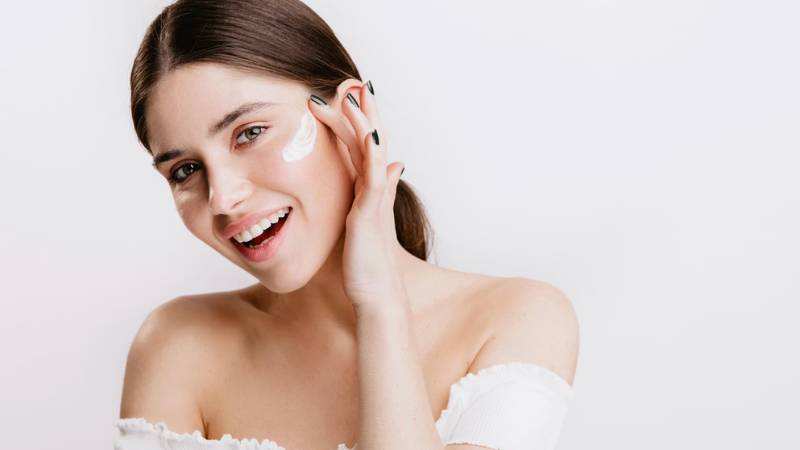
For those with aging concerns, the best foundation for mature dry skin or even the best foundation for dry mature skin should also soften the look of fine lines rather than settling into them. Comfort, flexibility, and moisture support are key factors.
Hydrating Ingredients
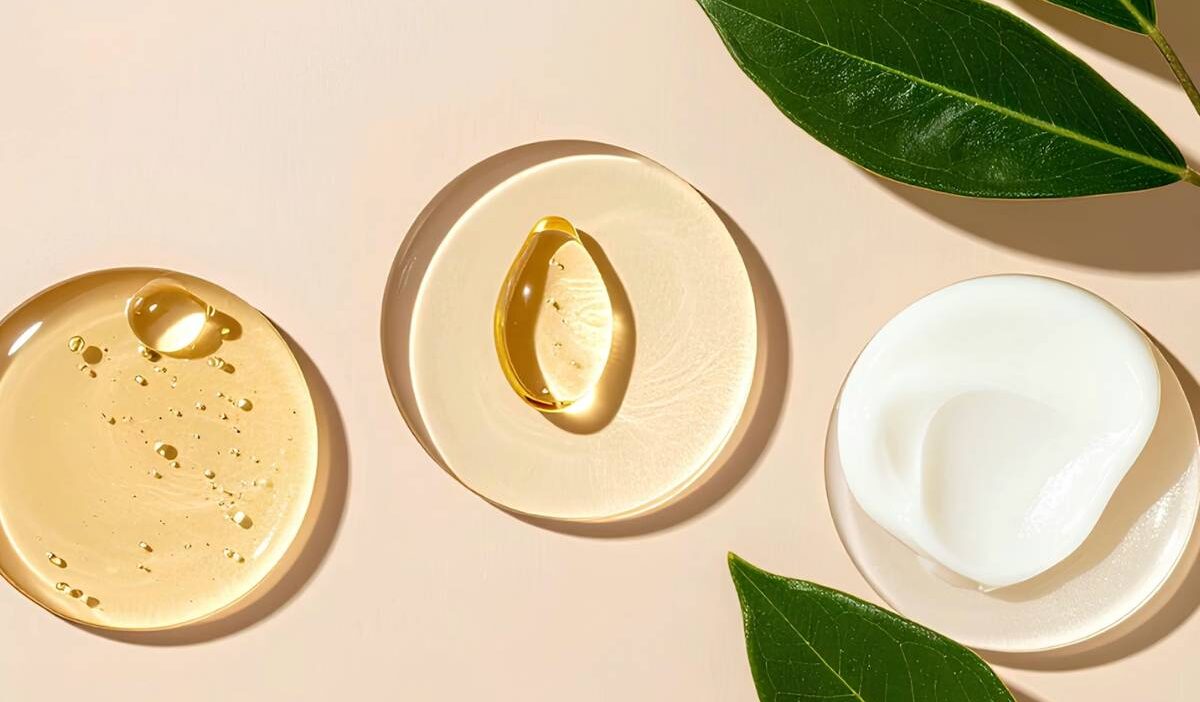
Look for ingredients such as hyaluronic acid, glycerin, ceramides, squalane, or lightweight oils. These help attract and retain moisture, preventing foundation from feeling tight or cakey. Hydrating components allow the best foundation for dry skin to blend seamlessly and maintain a healthy-looking glow.
Avoid formulas with high alcohol content, as they can further dehydrate the skin and worsen texture.
Finish That Works for Dry Skin
A satin, dewy, or natural finish usually works better than ultra-matte finishes. Matte formulas can cling to dryness and highlight uneven areas. The best foundation for mature dry skin often has a radiant finish that reflects light subtly, making skin appear smoother and more luminous.
Texture That Doesn’t Cling to Dry Patches
Lightweight, flexible textures are preferable to thick, rigid formulas. Foundations that are too heavy can crack or settle into fine lines.
A fluid or creamy consistency helps the product move naturally with facial expressions, which is especially important when choosing the best foundation for dry mature skin.
2. Best Drugstore Foundation for Dry Skin
Affordable options can perform just as well as high-end products when selected carefully. The best drugstore foundation for dry skin typically focuses on hydration and comfort rather than oil control. Many drugstore brands now offer serum-infused or moisturizing formulas designed specifically for dry complexions.
Hydrating Drugstore Options
When searching for the best drugstore foundation for dry skin, look for labels that mention “hydrating,” “luminous,” or “dewy.” These formulas are often enriched with skincare ingredients that support moisture levels throughout the day.
How to Make Drugstore Foundations Work Better
Preparation plays a major role in performance. Apply a hydrating moisturizer and allow it to absorb fully before foundation. A smoothing primer designed for dry skin can also create a more even base.
Using a damp sponge to press the foundation into the skin, rather than dragging it, helps prevent streaking and enhances a natural finish.
With the right preparation and formula, even a budget-friendly foundation can deliver smooth, comfortable coverage on dry skin.
3. Best Full Coverage Foundation for Dry Skin
Choosing the best full coverage foundation for dry skin is about more than maximum pigment. Dry skin needs coverage that conceals uneven tone without emphasizing flakes, fine lines, or rough texture.
Many people assume full coverage automatically means thick and matte, but modern formulas can deliver strong coverage while still feeling lightweight and flexible.
When looking for the best full coverage foundation for dry skin, focus on hydrating or serum-infused bases. Some brands known for complexion inclusivity and hydrating formulas include:
- NARS
- Estée Lauder
- IT Cosmetics
- Giorgio Armani Beauty
Retailers like Sephora and Ulta also categorize foundations by finish and skin type, which can help narrow down suitable full-coverage options for dry skin.
The key is finding a formula that balances pigment with moisture support so the foundation blends smoothly and maintains comfort throughout the day.
Buildable vs Heavy Coverage
Not all full coverage foundations perform the same way. Buildable coverage allows you to apply thin layers gradually until you achieve your desired opacity. This approach is generally better for dry skin because it prevents product buildup in fine lines or textured areas.
Heavy, single-layer coverage formulas can look mask-like and may crack as the skin moves. For dry complexions, buildable foundations are often safer because they allow flexibility. Pressing thin layers into the skin using a damp sponge can create a smoother result than applying one thick layer at once.
How to Prevent Full Coverage From Cracking
Even the best full coverage foundation for dry skin can crack if the base is not properly prepared. Start with gentle exfoliation to remove surface flakes, then apply a hydrating moisturizer and allow it to fully absorb. A luminous or hydrating primer can create a smoother surface and reduce patchiness.
Avoid setting the entire face with heavy powder. Instead, lightly set only areas prone to creasing. Using a hydrating setting spray can also help melt the foundation into the skin and reduce dryness-related cracking.
4. Common Mistakes When Choosing Foundation for Dry Skin
Choosing foundation for dry skin often goes wrong because people prioritize coverage over comfort. One of the most common mistakes is selecting ultra-matte or oil-control formulas that are designed for oily skin. While these may promise long wear, they typically absorb surface moisture and highlight flakiness. Matte formulas from lines specifically marketed for shine control can cling to dry areas and make fine lines more visible.
Another mistake is ignoring ingredient lists. Foundations with high alcohol content or strong oil-absorbing powders can worsen dryness throughout the day. Dry complexions respond better to hydrating or serum-based foundations offered by brands such as NARS, IT Cosmetics, Giorgio Armani Beauty, and L’Oréal’s hydrating ranges. Many of these brands formulate options that combine pigment with skincare ingredients.
Skipping skin preparation is also a major error. Applying foundation directly onto unmoisturized skin increases the likelihood of patchiness. Even the best foundation for dry skin performs poorly without a well-hydrated base. Gentle exfoliation followed by a nourishing moisturizer allows foundation to blend more evenly.
Overusing powder is another frequent issue. While a light touch of powder may help with creasing, setting the entire face can pull moisture away from dry skin and create a dull finish. Mature or dry complexions often look better with minimal powder and a light mist of hydrating setting spray instead.
Lastly, choosing the wrong shade or undertone can exaggerate dryness. A shade that is too light or too matte can make skin look flat and emphasize texture. Testing foundations in natural light and considering luminous finishes can improve the overall result.
5. Conclusion
Selecting the best foundation for dry skin involves more than finding the right shade. The ideal formula should hydrate, move naturally with facial expressions, and avoid clinging to dry patches or fine lines. Whether you prefer lightweight or full coverage, choosing flexible, moisture-supporting formulas and preparing the skin properly can significantly improve how foundation looks and feels throughout the day.
Follow 456 Skin for expert-backed skincare insights and practical tips you can trust.
6. FAQs
What is the best foundation for dry skin?
The best foundation for dry skin is typically hydrating, lightweight, and formulated with moisture-supporting ingredients such as hyaluronic acid or glycerin.
Can matte foundation work for dry skin?
Matte foundations can emphasize dryness. Those with dry skin usually benefit more from satin or dewy finishes.
Is full coverage bad for dry skin?
Not necessarily. The best full coverage foundation for dry skin should be buildable and hydrating rather than thick and rigid.
Should I powder dry skin after foundation?
Use powder sparingly and focus only on areas that crease. Over-powdering can make dry skin appear more textured.
How can I make foundation look smoother on dry skin?
Exfoliate gently, moisturize well before application, use a damp sponge, and choose hydrating formulas for a smoother finish.