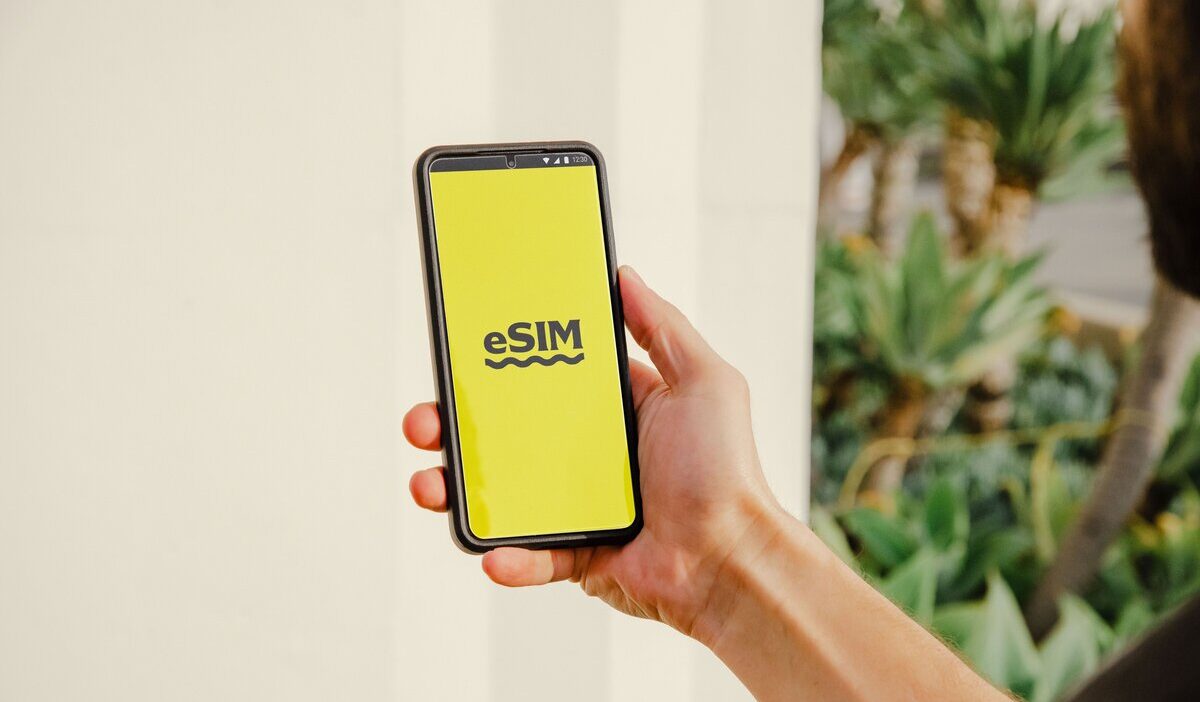
eSIM technology is rapidly becoming the standard on modern smartphones, offering a convenient way to activate and manage mobile plans without a physical SIM card.
But are eSIMs safe? Can they be hacked, and are they more secure than traditional SIM cards?
In this guide, we’ll explain how eSIM security works, the potential risks to know about, and the best ways to keep your mobile connection protected.
1. Are eSIMs Safe to Use?
Yes. In general, eSIMs are considered safe and, in many cases, even more secure than traditional SIM cards. Because an eSIM is built directly into your device, it cannot be physically removed or tampered with like a regular SIM.
That said, safety does not depend only on the technology itself. Your mobile security also depends on how well your carrier protects your account and how you manage your personal information.
In other words, eSIMs are designed with strong security features, but user behavior still plays an important role in overall safety.
2. Safety Features and Risks of Using eSIMs
To understand are eSIMs safe, it’s important to look at both sides: the built-in protections and the potential risks.
Like any technology, eSIM comes with strong security features, but there are still a few things users should be aware of.
Let’s break them down in more detail.
How Safe are eSIMs?
eSIMs come with several built-in security advantages that make them a reliable option for most users. Here are the key protections that help keep your mobile connection secure:
- Embedded directly into your device
eSIMs are built into your phone’s hardware, so they cannot be physically removed like traditional SIM cards. This eliminates the risk of someone taking out your SIM and inserting it into another device.
- Reduced risk of physical SIM theft
Because there is no physical card to access, attackers cannot simply steal your SIM to gain control of your phone number. This adds an extra layer of protection compared to traditional SIMs.
- Carrier authentication required for activation
Setting up an eSIM usually involves verifying your identity through your carrier. This may include logging into your account, scanning a QR code, or completing a verification step, which helps prevent unauthorized activation.
- Encrypted provisioning process
eSIM data is transferred securely during setup, whether through a QR code or a carrier app. This encryption makes it much harder for hackers to intercept or manipulate your information.
- More difficult SIM swap attempts
Since eSIMs are tied to your carrier account rather than a physical card, attackers cannot perform a simple SIM swap. They would need access to your account credentials, which adds another barrier to unauthorized access.
What Are the Real Risks of Using eSIM?
While eSIMs offer strong built-in security, no technology is completely risk-free. It’s important to understand that most vulnerabilities are not specific to eSIM itself, but rather to how mobile accounts are managed and protected.
Here are the most common risks to be aware of:
- SIM swap scams (social engineering attacks)
Attackers may contact your carrier and impersonate you to transfer your number to another device. This can still happen with eSIMs if they successfully bypass identity verification.
- Carrier account hacking
If someone gains access to your mobile carrier account, they may be able to activate a new eSIM or make unauthorized changes. This often happens when login credentials are exposed or reused across multiple platforms.
- Weak passwords and no two-factor authentication (2FA)
Many security breaches occur because accounts are not properly protected. Without strong passwords and 2FA, it becomes much easier for attackers to take control of your mobile services.
- Device theft without proper security
If your phone is lost or stolen and not protected by a passcode, fingerprint, or face recognition, someone could attempt to access your eSIM and personal data directly.
Overall, these risks apply to both eSIM and physical SIM users. The key takeaway is that most threats target your identity and carrier account, not the SIM format itself.
>>> Also read: How Many eSIMs Can I Have? The Real Limit Explained
3. eSIM vs Physical SIM: Which Is Safer?
When comparing eSIMs and physical SIM cards, one common question is: are eSIMs safe compared to physical SIMs? In most cases, the answer is yes.
eSIMs generally offer stronger security because they are built into your device and cannot be physically removed.
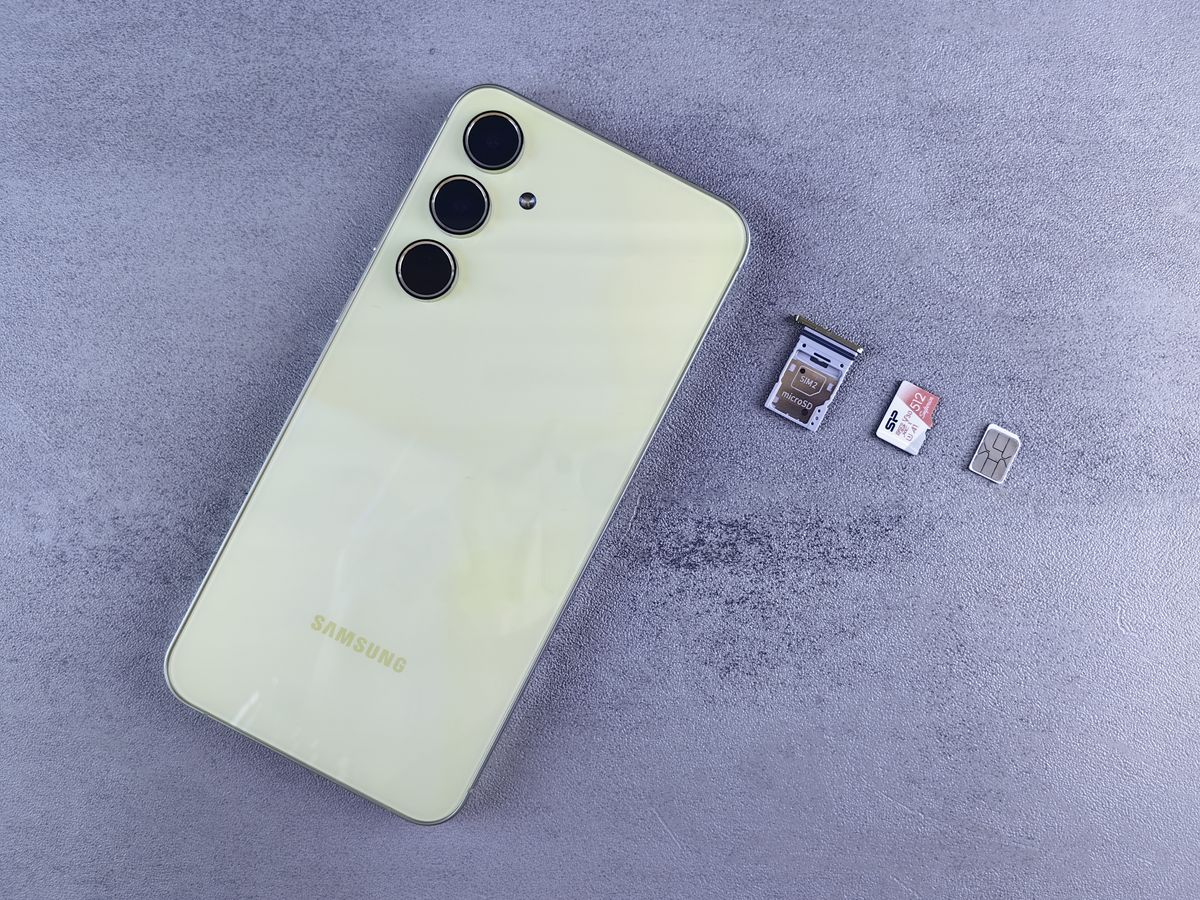
With a physical SIM card, someone could remove the card and use it in another phone. Since there is no physical card to steal or swap, eSIMs eliminate this risk.
However, neither option is completely immune to attacks. If a hacker gains access to your carrier account, they may still be able to carry out a SIM swap scam.
Overall, eSIMs are generally safer than physical SIM cards, but strong passwords and multi-factor authentication are still essential for protecting your account.
| Security Factor | eSIM | Physical SIM |
| Can be physically removed | No | Yes |
| Vulnerable to SIM theft | Lower | Higher |
| Requires carrier verification for activation | Usually | Sometimes |
| Risk of SIM swap scams | Possible | Possible |
| Overall security | Higher | Good |
>>> You might be interested in: eSIM to Physical SIM: The Right Way to Switch Back Without Losing Your Number
4. How to Stay Safe When Using eSIM
Staying safe with eSIM mostly comes down to smart security habits:
- Use a strong, unique password for your carrier account. Avoid reusing passwords across different platforms.
- Enable two-factor authentication (2FA) whenever possible to add an extra layer of protection.
- Secure your device with a passcode, fingerprint, or face recognition to prevent unauthorized access.
- Watch out for phishing attempts. Don’t click on suspicious links or share personal information with unknown sources.
- Keep your device updated so you benefit from the latest security patches and improvements.
It sounds simple, but these small steps can make a big difference in reducing the risk of unauthorized access and keeping your eSIM data secure.
5. Want to Get Started? Qualify for a Free, Secure eSIM Plan!
If you’re interested in using eSIM, you may not need to pay for a plan right away. In fact, some users can get started at little to no cost through government-supported programs.
One of the most common options is the Lifeline program, a federal initiative designed to help eligible individuals reduce their monthly phone or internet expenses.
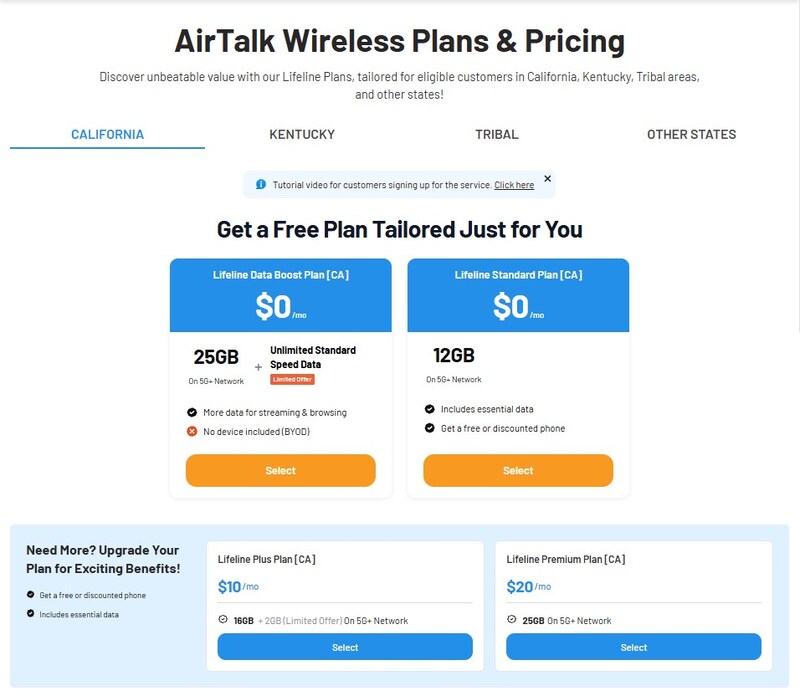
Lifeline works through approved providers such as AirTalk Wireless. Through this provider, eligible users can access affordable plans that include talk, text, and data.
More importantly, depending on your device, you can choose between a physical SIM card or an eSIM at no extra cost.
Getting started only takes a few minutes:
- Check your eligibility based on income or participation in qualifying government programs.
- Visit the website of a Lifeline provider, such as AirTalk Wireless.
- Select a plan that fits your needs and confirm your device compatibility.
- Complete the application and upload any required documents to verify your eligibility.
- Submit your application and wait for approval.
- Once approved, activate your SIM or eSIM and start using your service.
In addition, if you don’t currently have an eSIM-compatible device, AirTalk may offer free or discounted smartphones as part of its own promotions. This is an extra benefit provided by the company, not the Lifeline program itself.
If you’re ready to switch, this is a practical way to start using eSIM while keeping your monthly costs low. Visit AirTalk Wireless to check your eligibility and explore available plans.
Final Thoughts
eSIMs are not only convenient but also designed with strong security features that make them a safe choice for most users.
So, are eSIMs safe? In most cases, yes. While no system is completely risk-free, the biggest threats usually come from weak account protection rather than the technology itself.
By following a few simple security steps, you can confidently use eSIM and enjoy a more flexible mobile experience.