
Using eSIM has made it much easier to stay in touch, especially if you travel often or need multiple phone numbers. Instead of swapping physical SIM cards, you can store several plans directly on your device and switch between them in seconds.
But this convenience also raises a common question: how many eSIMs can I have on my phone?
The answer isn’t as simple as a fixed number. It depends on your device, settings, and how eSIM works behind the scenes.
1. How Many eSIMs Can I Have?
The short answer is more than you might expect, but not all at once.
On most modern smartphones, you can store multiple eSIM profiles, sometimes 5, 7, or even more, depending on the device. However, only a limited number of those can be active at the same time.
For example, many iPhones and Android devices support Dual SIM functionality. This means you can use two lines simultaneously (one eSIM and one physical SIM, or two eSIMs on newer models).
Therefore, while your phone may let you save several eSIM plans, you’ll usually only be able to actively use one or two at a time. This setup is still incredibly flexible, especially for users who switch between work, personal, or travel plans regularly.

2. What You Need to Know About eSIM Limits
Now that you have the answer to how many eSIMs can I have, it’s worth understanding what actually limits that number in real use.
There are a few key factors behind the scenes. Let’s explore.
Stored vs Active eSIMs
To understand eSIM limits, it helps to separate these two key concepts:
- Stored eSIMs are profiles saved on your device but not currently in use. Think of them as backup plans you can switch to anytime without reinstalling.
- Active eSIMs are the ones currently connected to a network and being used for calls, texts, or data.
Most devices allow multiple stored profiles but restrict how many can be active at once.
This is mainly due to hardware limitations and network management. Running multiple active connections requires more power and coordination with carriers.
A simple example is travel. You might have your home carrier saved as one eSIM and add a local data plan when visiting another country.
While abroad, you can activate the travel eSIM and keep your main number as a secondary line or switch between them as needed.
>>> Also read: Does My Phone Have an eSIM? Here’s How to Check in 1 Minute
Can You Use Multiple eSIMs at the Same Time?
Yes, but with limits. Most smartphones today support using two SIMs at the same time (Dual SIM).
On newer devices, this can include two eSIMs running simultaneously. However, you typically can’t activate more than two lines at once.
This means you can store several eSIMs, but you’ll need to choose which ones to activate depending on your needs. Switching between them is usually quick and can be done directly in your phone settings.
Common Limitations You Should Know
Even though eSIM is flexible, there are still a few limitations to keep in mind:
- Carrier restrictions: Not all carriers support eSIM, and some may limit how many profiles you can use or how often you can switch.
- Region and device differences: eSIM availability and features vary depending on your country and phone model.
- Locked vs unlocked phones: If your phone is locked to a specific carrier, you may not be able to add eSIMs from other providers.
- Older devices: Earlier eSIM-compatible phones may support fewer profiles or have limited Dual SIM functionality.
Understanding these factors can help you avoid surprises when setting up or switching between eSIM plans.
3. eSIM Limits by Device: iPhone vs Android
eSIM support isn’t exactly the same across all devices. It can feel a bit different depending on whether you’re using an iPhone or an Android phone.
How Many eSIMs Can I Have on My Iphone?
With iPhones, Apple keeps things pretty consistent. If you’re using an iPhone XS, XR, or newer, you can typically store 8 or more eSIM profiles on your device and switch between them anytime in Settings.
A common question you might see in forums is: iPhone 17 how many eSIMs can I have? Like other recent models, the iPhone 17 supports multiple stored eSIMs on one device.
So you won’t be limited when it comes to how many eSIMs can I have on iPhone.
However, when it comes to actual usage, most iPhones only allow 1-2 active lines at the same time (Dual SIM). On newer models, this can even be two active eSIMs running simultaneously.
What if I’m Using an Android Phone?
On Android, the numbers are a bit more flexible, but also less consistent. Depending on the brand and model:
- Many Android phones can store around 5 to 20 eSIM profiles
- Some Samsung Galaxy devices, for example, can support up to 20 stored eSIMs
That said, just like iPhones, most Android devices still limit you to 1–2 active eSIMs at a time, even if you have many saved.
Overall, the newer your phone is, the smoother your eSIM experience will be. You’ll typically get more storage for eSIM profiles and easier switching between them.
4. How to Manage Multiple eSIMs Easily?
Now that you know how many eSIMs can I have and how active limits work, the next step is learning how to manage them in real life. The good news is that once you get used to it, handling multiple eSIMs is easy:
- Install an eSIM: You can add an eSIM by scanning a QR code or entering details provided by your carrier. This usually takes just a few minutes.
- Switch between eSIMs: Go to your cellular settings, select the plan you want to use, and activate it. You can also choose which line handles data, calls, or messages.
- Delete an eSIM: If you no longer need a plan, you can remove it from your device in settings to free up space for new profiles.
5. Looking to Use eSIM? Here’s How to Get One for Free
If you’re planning to switch to eSIM or simply want a more flexible way to manage your mobile plans, there’s an option many people overlook.
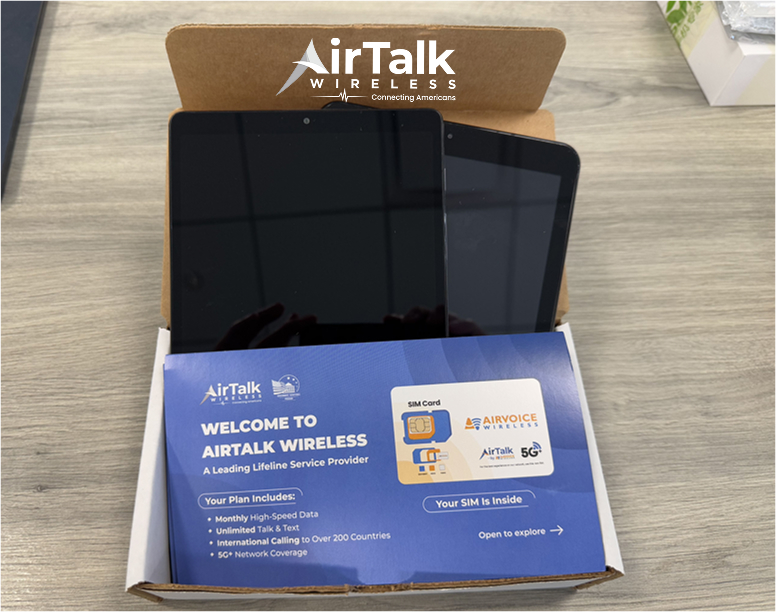
Programs like Lifeline are designed to help eligible users reduce their monthly phone or internet costs. Instead of operating on its own, Lifeline works through approved providers such as AirTalk Wireless.
AirTalk makes the process easier by offering service plans in one place, with pricing that can be significantly reduced depending on your eligibility.
When you apply through AirTalk, you may receive:
- A free SIM card or eSIM, depending on your device compatibility
- Monthly plan with generous benefits, often including unlimited talk, text, and high-speed data
- A simple setup process without needing to purchase a separate plan elsewhere
One important thing to know is that every eligible applicant who applies through AirTalk will receive a free SIM or eSIM, based on their device.
And if you don’t currently have an eSIM-compatible phone, AirTalk also offers free or discounted smartphones as part of its own promotions. (This is an additional offer from AirTalk, not the Lifeline program itself)
If you’re thinking about making the switch, this is a smart way to get started without overcomplicating the process. Check out AirTalk Wireless to see if you qualify and explore the plans available to you!
Final Thoughts
So, how many eSIMs can I have? While the exact number depends on your device, most phones today let you store multiple profiles and use at least two at the same time.
Once you understand how eSIM works, it becomes a powerful tool for managing your connectivity more flexibly.
And if you’re looking to get started without spending too much, options like AirTalk Wireless can make the transition even easier.