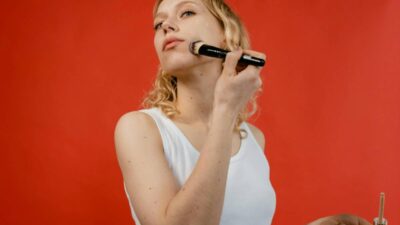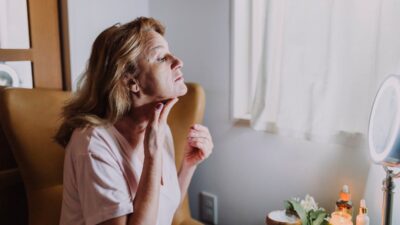
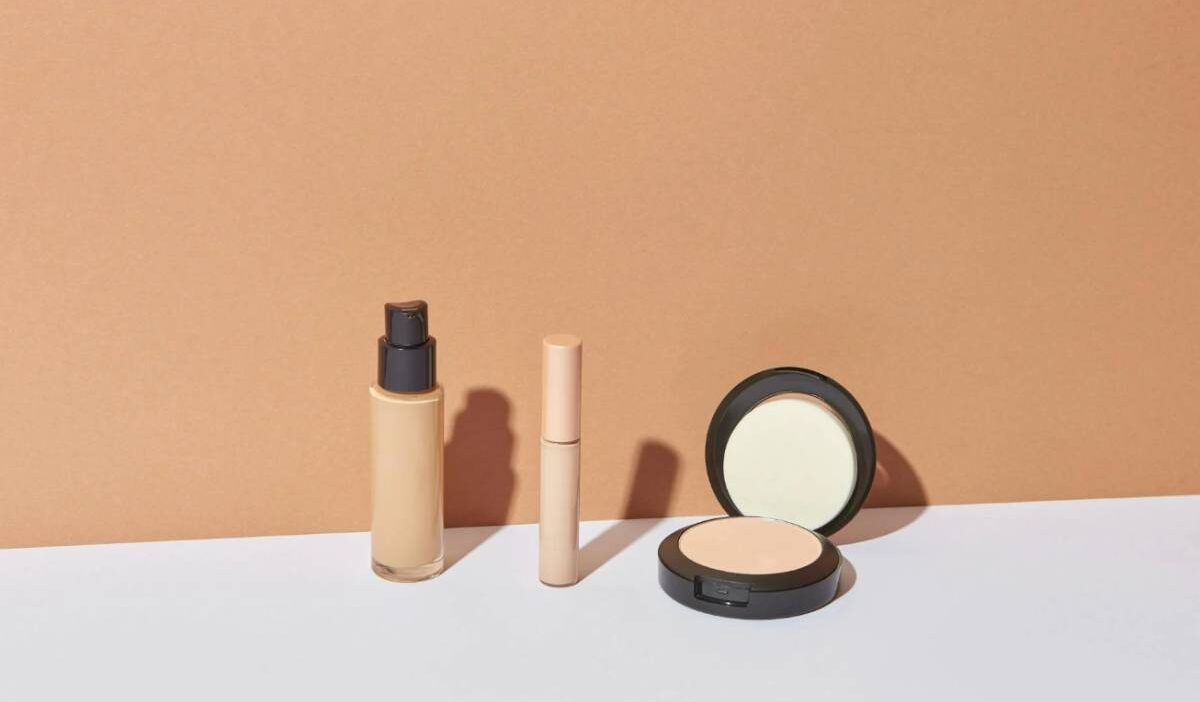
Makeup preferences are shifting toward lighter, more natural finishes, and skin tints are becoming a go-to for everyday wear. Instead of heavy coverage, these formulas even out tone while keeping the skin looking real and breathable.
The best skin tint: lightweight coverage for a natural, second-skin finish is all about balance. It smooths out imperfections without masking texture, making it ideal for a fresh, low-effort look that can still last throughout the day.
1. What Makes the Best Skin Tint for a Natural Look?
A natural-looking skin tint does not try to fully cover the skin. Instead, it works by evening out tone while letting real texture remain visible. This is what creates that “second-skin” effect rather than a layered makeup finish.
Texture is one of the biggest factors. The best skin tint usually has a lightweight, fluid consistency that spreads easily and blends without streaks. It should sit smoothly on the skin without clinging to dry patches or separating in areas that produce more oil.
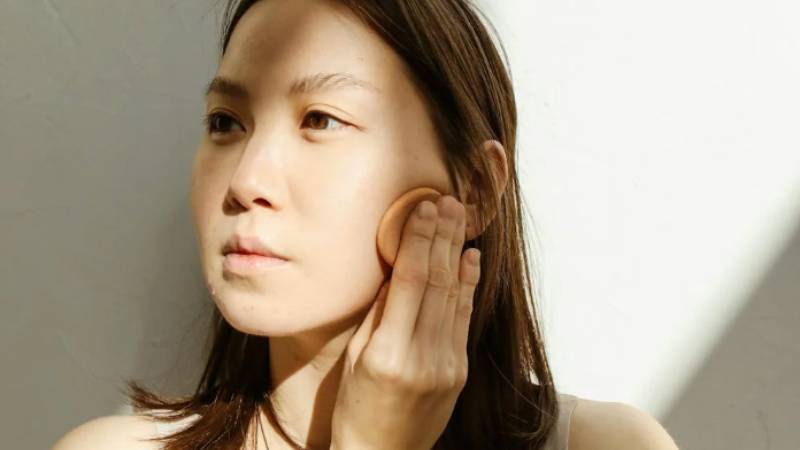
Finish also plays a role in how natural the result looks. Some formulas lean dewy and add a subtle glow, while others are more soft-matte to control shine. The key is that the finish looks like skin rather than makeup sitting on top of it.
Another detail that matters is how the tint wears over time. A good formula should fade evenly instead of breaking apart, especially around areas like the nose or chin. When it works well, the skin still looks balanced after several hours, even if the coverage becomes slightly more sheer.
2. Skin Tint vs Tinted Moisturizer vs Foundation
These three products are often grouped, but they behave quite differently on the skin. Understanding the differences helps set realistic expectations, especially when aiming for a natural finish.
Coverage Level
Skin tints offer the sheerest coverage. They are designed to lightly blur uneven tone rather than conceal blemishes or discoloration completely.
Tinted moisturizers usually provide slightly more coverage than skin tints while adding hydration. They can even out the skin more noticeably but still remain lightweight.
Foundations, especially medium to full coverage formulas, are built to conceal. They create a more uniform look but can feel heavier and less breathable compared to a skin tint.
Finish (Dewy vs Matte)
Skin tints often lean toward a natural or slightly dewy finish, which helps the skin look fresh and hydrated. Even matte versions tend to be softer and less flat than traditional matte foundations.
Tinted moisturizers typically have a dewy or radiant finish because of their hydrating base. This can work well for dry skin, but may appear too shiny on oilier areas.
Foundations offer the widest range of finishes, from fully matte to high-glow. However, achieving a natural look often requires careful selection and blending, as heavier formulas can sit more visibly on the skin.
Longevity
Skin tints are not always designed for long wear. They tend to fade gradually, which can look more natural but may require touch-ups throughout the day.
Tinted moisturizers fall somewhere in between. Their longevity depends on the formula and skin type, but they generally last longer than skin tints due to slightly richer textures.
Foundations are typically the most long-lasting option. Many are formulated to stay in place for extended hours, though this can sometimes come at the cost of a heavier feel.
Skincare Benefits
Many skin tints may include added skincare ingredients such as hyaluronic acid, niacinamide, or SPF. These elements support hydration and skin comfort while wearing makeup.
Tinted moisturizers are often closer to skincare in formulation. They focus more heavily on hydration and may include ingredients that support the skin barrier.
Foundations can also include skincare benefits, but their primary role is coverage. Depending on the formula, they may not provide the same level of skin-focused ingredients as lighter products.
>>>Read more: Skin Fade Explained: What It Means and How to Maintain
3. Best Skin Tint Based on Skin Type
Not every formula works the same across different skin types. The way a skin tint sits, blends, and wears throughout the day is heavily influenced by how much oil or dryness your skin naturally has.
The best skin tint is usually the one that works with your skin rather than trying to correct it too aggressively. A formula that looks smooth on dry skin may separate on oily areas, while a matte tint that controls shine may cling to dry patches.
Understanding how your skin behaves during the day helps narrow down what kind of finish and texture will look the most natural.
For Oily Skin
Oily skin tends to break down lightweight formulas faster, especially around the T-zone. A skin tint with a soft-matte or natural finish usually works better than one that is overly dewy.
Look for formulas that help control shine without feeling heavy. If the tint is too hydrating, it may slide around or separate after a few hours. A thin, breathable layer that sets slightly on its own tends to last longer.
Blotting or lightly setting specific areas can also help maintain a more even finish throughout the day.
For Dry Skin
Dry skin benefits from skin tints that add hydration and create a smoother surface. A dewy or radiant finish often works best because it prevents the skin from looking flat or textured.
Formulas with ingredients like hyaluronic acid or glycerin can help maintain moisture while wearing makeup. If the tint is too matte, it may emphasize dry patches or fine lines.
Applying the tint over well-prepped skin makes a noticeable difference, as hydration underneath helps the product blend more evenly.
For Mature Skin
Mature skin often has more texture and fine lines, so heavy coverage can settle into creases and look less natural. A lightweight skin tint can help even out tone without emphasizing those details.
A natural or slightly radiant finish tends to be more forgiving than a flat matte one. It reflects light in a way that softens the appearance of lines rather than drawing attention to them.
The focus is usually on creating a smooth, even look rather than covering everything completely.
For Sensitive Skin
Sensitive skin reacts more easily to certain ingredients, so the formula matters as much as the finish. A skin tint designed with minimal or gentle ingredients is less likely to irritate.
Fragrance-free options are often a safer choice. Lightweight formulas that do not feel heavy or occlusive can also reduce the chance of discomfort throughout the day.
Patch testing new products is especially important here, even if the formula is marketed as suitable for sensitive skin.
4. How to Apply Skin Tint for a Seamless Finish
Application plays a major role in how natural the best skin tint looks. Because the coverage is sheer, small differences in technique can change how even or smooth the final result appears. The goal is not to build a thick layer but to enhance the skin in a way that still looks effortless.
Prep With Lightweight Skincare
Skin tints tend to reflect whatever is underneath them. If the skin is dry or uneven, the tint will not sit as smoothly.
Using lightweight skincare that hydrates without leaving a heavy residue helps create a better base. Overly rich products can cause the tint to move around or feel greasy, especially on combination or oily skin.
A balanced base makes the tint easier to blend and helps it wear more evenly.
Apply With Fingers vs Sponge
Fingers and sponges create slightly different finishes. Applying with fingers allows the product to melt into the skin more naturally, often resulting in a more skin-like look.
A damp sponge can help diffuse the product further and create a softer, more even finish. It can also pick up excess product, which prevents buildup.
The choice depends on how much coverage you want and how polished you want the finish to look.
Build in Thin Layers
Skin tints are designed to be sheer, so applying too much at once can defeat their purpose. Starting with a small amount and building gradually helps maintain a natural effect.
Thin layers allow better control over coverage. You can add more in areas that need extra evening out without making the entire face look heavier.
This approach also helps the product wear more evenly throughout the day.
Set Strategically (Not All Over)
Setting powder is not always necessary for skin tints, especially if you want to keep a natural or dewy finish. Instead of applying powder all over, it is often better to focus on areas that tend to get oily.
Lightly setting the T-zone can help control shine without taking away the natural look from the rest of the face. Over-powdering can flatten the finish and make the skin look less fresh.
Keeping some areas untouched allows the skin tint to maintain that “second-skin” effect.
5. Is Skin Tint Better for Everyday Makeup?
For many people, skin tints fit more naturally into an everyday routine than traditional foundation. The lighter coverage makes them easier to apply, quicker to blend, and more comfortable to wear for long hours.
They are especially useful on days when full coverage is not necessary. Instead of masking the skin, a skin tint helps create a more even appearance while still allowing natural texture to show through. This often results in a fresher, less “done” look.
That said, whether it feels better for daily use depends on expectations. If you prefer a polished, fully covered finish, a skin tint may feel too sheer. But if the goal is low-maintenance makeup that looks natural in different lighting, it tends to be a more practical option.
6. FAQs
What is the best-rated skin tint?
The best-rated skin tint often depends on individual preferences such as skin type, finish, and coverage level. Formulas that balance lightweight texture with even wear throughout the day tend to receive the most consistent feedback.
Are skin tints better for your skin?
Skin tints can feel more comfortable because they are lighter and often include hydrating or skin-supporting ingredients. The best skin tint usually sits more naturally on the skin, but it is still makeup, so how it affects your skin depends on the formula and your skin’s sensitivity.
What are the disadvantages of skin tint?
The main limitation of a skin tint is its sheer coverage, which may not fully conceal blemishes or uneven tone. Even the best skin tint can wear off faster than foundation, especially on oily skin or in humid conditions.
What skin tint does Bella Hadid use?
Bella Hadid has been associated with several lightweight complexion products over time, often favoring formulas that create a natural, skin-like finish. Specific products may change depending on her makeup artist or routine, so there is no single confirmed skin tint she uses consistently.
7. Conclusion
Finding the best skin tint is less about coverage and more about how naturally it sits on the skin throughout the day. A formula that blends easily, wears evenly, and feels comfortable will always look more convincing than one that tries to cover too much.
For everyday use, skin tints stand out because they require less effort while still creating a more balanced look. When everything works together, the finish stays light, consistent, and close to real skin instead of makeup sitting on top.
Follow 456 Skin for expert-backed skincare insights and practical tips you can trust.