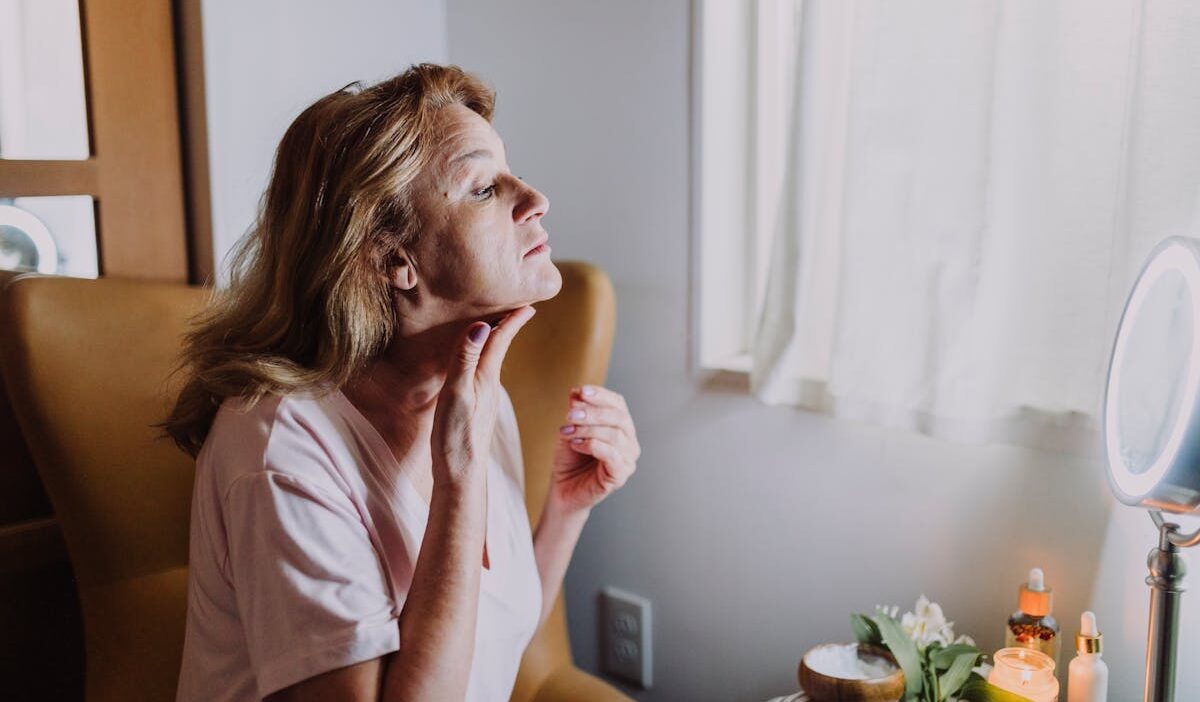
As skin matures, changes in texture, hydration, and elasticity can make makeup sit differently than it once did. Fine lines become more noticeable, and products that used to blend easily may start to settle or fade unevenly.
The best primer for mature skin helps create a smoother surface while supporting hydration, so makeup applies more evenly and wears more comfortably. Instead of masking texture, the goal is to soften its appearance and maintain a natural finish throughout the day.
1. How Skin Changes With Age and Why Primer Matters More
As skin ages, it gradually loses moisture, elasticity, and natural firmness. These changes can make the surface appear less smooth, with fine lines and texture becoming more visible over time.
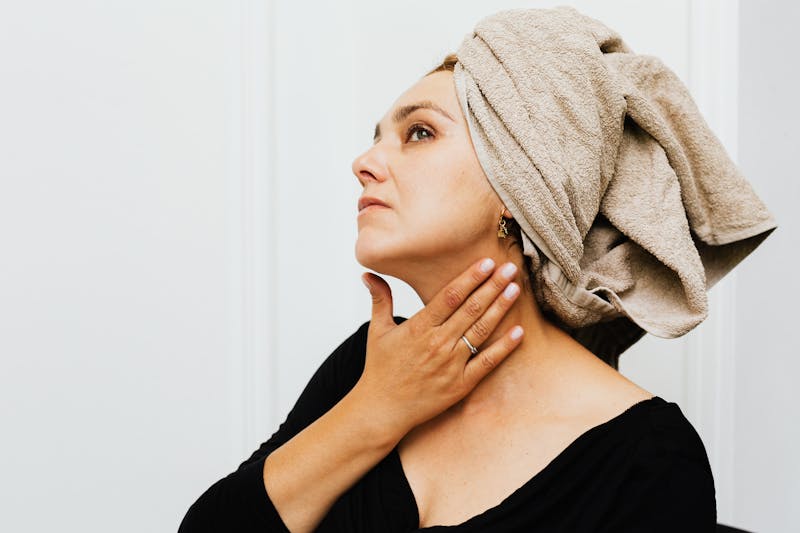
This shift affects how makeup sits on the skin. Foundation may settle into lines, cling to dry areas, or fade unevenly throughout the day. What once worked for younger skin may no longer deliver the same result.
This is where primer becomes more important. Instead of acting as just a smoothing layer, it helps create a more even base that supports hydration and improves how makeup wears. With the right formula, the skin looks softer and more balanced, rather than emphasized by heavier products.
2. What Makes the Best Primer for Mature Skin?
A primer for mature skin focuses less on mattifying and more on smoothing and hydration. The goal is to create a surface that allows makeup to blend evenly without settling into fine lines or emphasizing texture.
The best primer for mature skin usually has a lightweight, flexible texture that moves naturally with the skin. It should soften the appearance of lines rather than fill them in a way that looks heavy or artificial.
Hydration is a key factor. Formulas that support moisture help prevent dryness from becoming more visible once the foundation is applied. This is why the best makeup primer for mature skin often includes ingredients that maintain a comfortable, slightly radiant finish instead of a flat matte one.
Another important detail is how the primer wears throughout the day. A well-balanced formula helps makeup stay in place while still looking natural, even as the skin changes with movement and time.
3. Ingredients That Benefit Mature Skin in a Primer
The performance of a primer on mature skin often comes down to its ingredients. Rather than focusing on oil control, the best primer for mature skin relies on components that support hydration, soften texture, and improve how light reflects off the skin.
These ingredients do not “erase” lines, but they can make the surface appear smoother and more even once makeup is applied.
Hyaluronic Acid for Plumping
Hyaluronic acid helps attract and retain moisture in the skin, which is especially important as natural hydration levels decline with age.
When included in a primer, it can create a subtle plumping effect that makes fine lines appear less defined. Instead of sitting in dry creases, the foundation is more likely to glide over the surface smoothly.
The result is not a dramatic change, but a softer, more hydrated look that holds up better throughout the day.
Peptides for Smoother Appearance
Peptides are often used in skincare to support the skin’s structure over time. In a primer, their role is more about improving the overall feel and appearance of the skin.
They can help create a surface that looks slightly firmer and more even, which makes makeup application easier. While the long-term benefits depend on consistent use, even short-term use can contribute to a smoother-looking finish.
This makes them a useful addition in formulas designed for mature skin.
Light-Diffusing Particles
Light-diffusing particles are designed to reflect light in a way that softens the appearance of fine lines and uneven texture.
Instead of adding visible shimmer, these particles create a subtle blur effect. This can make the skin look more refined without adding extra coverage or weight.
For mature skin, this effect is often more flattering than heavy matte finishes, which can make texture more noticeable.
Glycerin for Hydration
Glycerin is a well-known humectant that helps draw moisture into the skin. It supports hydration in a similar way to hyaluronic acid but often provides a slightly more lasting, balanced effect.
In a primer, glycerin helps maintain comfort throughout the day. It prevents the skin from feeling tight or dry under makeup, which can reduce the chances of foundation settling into fine lines.
This added hydration helps the overall finish stay smoother for longer.
>>>Read more: Best Foundation for Mature Skin Over 60: Smooth Coverage in 2026
4. Best Primer for Mature Skin Based on Skin Type
Mature skin does not behave the same for everyone. Some people experience more dryness, while others may still deal with combination areas or sensitivity. The best primer for mature skin depends on how these factors interact with texture and hydration.
For Dry Mature Skin
Dry mature skin often shows texture more clearly, especially when makeup is applied. A hydrating primer with a slightly radiant finish can help soften this effect.
Formulas that focus on moisture tend to make the skin look smoother and prevent foundation from clinging to dry patches. A matte primer, on the other hand, may make dryness more noticeable.
For Combination Mature Skin
Combination skin requires balance. Some areas may need hydration, while others may benefit from light oil control.
A flexible, lightweight primer works best here. It should provide enough moisture for drier areas without making the T-zone feel greasy. In some cases, applying different amounts in different areas can help maintain a more even result.
For Sensitive Mature Skin
Sensitive mature skin needs formulas that are gentle and less likely to irritate. Fragrance-free options and minimal ingredient lists are often safer choices.
A soothing, lightweight primer can help improve how makeup sits on the skin without triggering redness or discomfort. Patch testing is still important, even with products designed for sensitive skin.
For Mature Skin With Enlarged Pores
Enlarged pores can still be a concern as skin matures, often combined with changes in texture. A primer that smooths without feeling heavy is key.
Lightweight smoothing formulas can help reduce the appearance of pores without settling into fine lines. Applying only where needed, rather than across the entire face, usually creates a more natural result.
5. How to Apply Primer on Mature Skin for a Smoother Look
The application makes a noticeable difference in how the best primer for mature skin performs. The focus is not on layering more product, but on using the right amount and technique to avoid emphasizing texture.
A lighter, more controlled approach helps create a smoother base without adding weight that can settle into fine lines.
Prep With Hydrating Skincare
Mature skin tends to show dryness more easily, so hydration underneath the primer is important. Lightweight moisturizers or serums help create a smoother surface before any makeup is applied.
When the skin is properly hydrated, primer blends more evenly, and foundation is less likely to cling to dry areas.
Use a Pea-Sized Amount
Using too much primer can cause buildup, especially on areas with fine lines. A small, pea-sized amount is usually enough to cover the face.
Keeping the layer thin helps maintain a natural finish and prevents the product from settling into texture.
Press Instead of Rubbing
Instead of rubbing primer across the skin, gently pressing it in allows the product to sit more evenly. Rubbing can move the skin too much and disrupt areas where texture is more visible.
Pressing also helps control how much product is applied in each area.
Allow Primer to Set Before Foundation
Giving primer a few moments to set helps it form a stable base. Applying foundation too quickly can cause the layers to mix and reduce the smoothing effect.
6. FAQs
What is the best face primer for mature skin?
The best face primer for mature skin is usually one that focuses on hydration and smoothing rather than heavy mattifying. Lightweight formulas that soften the appearance of fine lines tend to work better for a natural finish.
What is the best eye primer for mature skin?
The best eye primer for mature skin should be lightweight and non-drying, as the eye area is more delicate. Formulas that help smooth texture without emphasizing fine lines can improve how eye makeup applies and wears.
What is the best drugstore primer for mature skin?
The best drugstore primer for mature skin typically offers hydration and a smoothing effect at a more accessible price point. Many affordable options now include ingredients that help improve texture and support a more even makeup application.
7. Conclusion
The best primer for mature skin is less about creating a perfect surface and more about supporting the skin so makeup sits more naturally. A formula that hydrates, smooths lightly, and moves well with the skin tends to give a more balanced result.
When paired with the right application technique, primer helps reduce the appearance of texture without adding heaviness. The finish stays softer and more consistent, rather than settling into fine lines as the day goes on.
Follow 456 Skin for expert-backed skincare insights and practical tips you can trust.