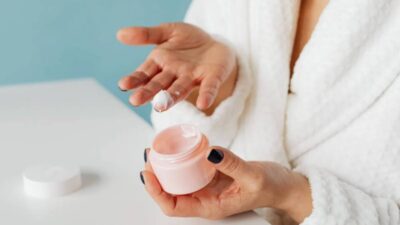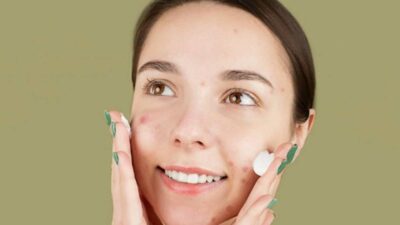
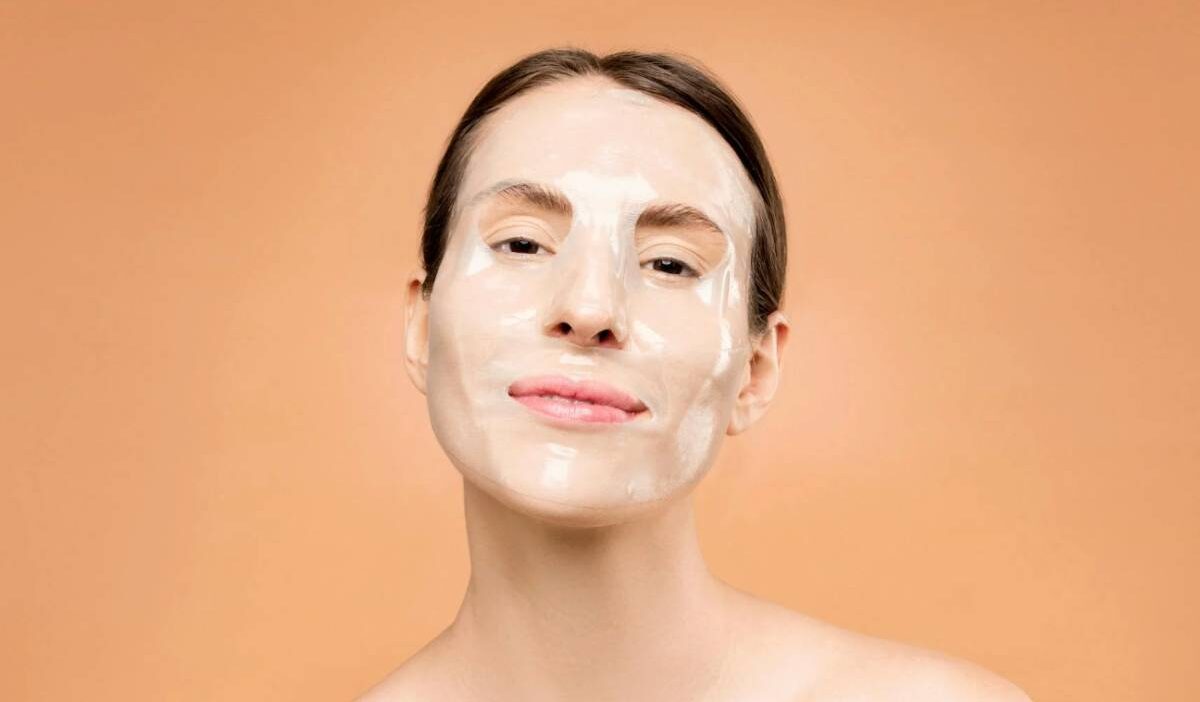
Many people with oily skin believe moisturizer will only make their face shinier. In reality, skipping hydration can increase oil production. When the skin lacks water, it often compensates by producing more sebum, which can lead to clogged pores and breakouts.
Choosing the best face moisturizer for oily skin is not about avoiding moisture. It is about selecting a lightweight formula that hydrates without heaviness. The right product should absorb quickly, balance oil levels, and support the skin barrier without leaving a greasy residue.
Understanding how oily skin functions makes it easier to choose a formula that keeps shine under control while maintaining healthy hydration.
1. What Makes the Best Face Moisturizer for Oily Skin?
The best face moisturizer for oily skin should hydrate without increasing shine or clogging pores. Texture is one of the most important factors. Lightweight gel or water-based formulas typically absorb faster and leave less surface residue than thick creams.
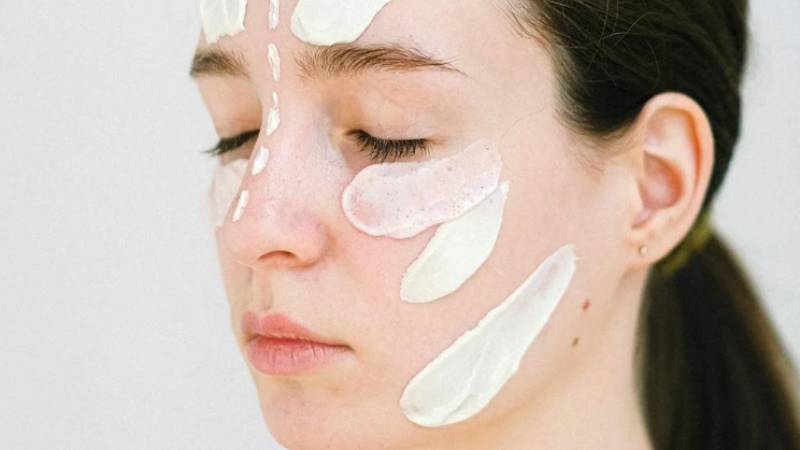
Non-comedogenic labeling is also important, especially if you are acne-prone. A suitable moisturizer should help balance oil production, calm inflammation, and strengthen the skin barrier without feeling heavy.
Quick absorption, a breathable finish, and compatibility with sunscreen or makeup are additional signs of a well-formulated product for oily complexions.
2. Best Face Moisturizer for Oily Skin Based on Your Concern
The best choice depends on your specific skin concerns. If you are wondering what is the best face moisturizer for oily skin, the answer varies based on whether you struggle with acne, dehydration, sensitivity, or climate-related shine.
Here are recommendations categorized by concern:
For Acne-Prone Oily Skin
Look for oil-free, non-comedogenic formulas that contain niacinamide or lightweight hydrators.
Recommended options:
- La Roche-Posay Effaclar Mat
- Paula’s Choice Clear Oil-Free Moisturizer
- CeraVe PM Facial Moisturizing Lotion
These products hydrate while supporting pore clarity and oil balance.
For Oily but Dehydrated Skin
Dehydrated oily skin often feels tight yet still produces shine. Focus on water-binding ingredients.
Recommended options:
- Neutrogena Hydro Boost Water Gel
- Clinique Dramatically Different Hydrating Jelly
- Isntree Hyaluronic Acid Aqua Gel Cream
These provide lightweight hydration without heaviness.
For Sensitive Oily Skin
Sensitive oily skin benefits from fragrance-free, barrier-supporting formulas.
Recommended options:
- Bioderma Sébium Hydra
- Vanicream Daily Facial Moisturizer
- La Roche-Posay Toleriane Double Repair (Light version)
These emphasize barrier repair and minimal irritation.
For Hot and Humid Weather
In warm climates, sweat and humidity increase shine. Choose fast-absorbing, matte-finish gels.
Recommended options:
- Bioderma Sébium Mat Control
- Cosrx Oil-Free Ultra-Moisturizing Lotion
- The Ordinary Natural Moisturizing Factors + Beta Glucan (light layer)
These formulas help control excess shine while maintaining hydration in humid conditions.
Read more: Can Sunscreen Make Your Skin Lighter? What It Really Does to Your Skin Tone
3. Key Ingredients to Look For in a Face Moisturizer for Oily Skin
Choosing the right formula becomes much easier when you understand which ingredients support oil balance without clogging pores. If you are asking which face moisturizer is best for oily skin, the answer often depends less on brand and more on formulation.
Lightweight humectants, oil-regulating ingredients, and barrier-supporting components typically deliver better results than heavy occlusives.
A well-designed moisturizer for oily skin should hydrate with water-based ingredients while helping regulate excess sebum and calm inflammation. The goal is balance rather than stripping the skin.
Hyaluronic Acid for Lightweight Hydration
Hyaluronic acid is a humectant, meaning it attracts water into the skin without adding oil. For oily skin types, this is ideal because hydration is delivered without heaviness. When the skin is properly hydrated, it may reduce the urge to overproduce sebum.
Gel-based moisturizers often rely on hyaluronic acid to provide a fresh, lightweight finish that absorbs quickly and layers well under sunscreen or makeup.
Niacinamide for Oil Balance
Niacinamide is particularly helpful for oily and acne-prone skin. It supports oil regulation, reduces visible redness, and helps improve the appearance of enlarged pores over time.
It also strengthens the skin barrier, which is essential if you use exfoliating acids or acne treatments. A balanced barrier can reduce inflammation and indirectly support more stable oil production.
Salicylic Acid for Pore Support
Salicylic acid is a beta-hydroxy acid that penetrates oil-filled pores. While it is more common in cleansers and treatments, low concentrations in moisturizers can provide mild pore-clearing benefits.
This ingredient is especially useful if you experience frequent congestion or blackheads. However, it should be used carefully alongside other exfoliating products to avoid irritation.
Ceramides for Barrier Repair
Even oily skin requires barrier support. Ceramides are lipids naturally found in the skin that help prevent moisture loss and protect against environmental stressors.
When the barrier is compromised, the skin may become both dehydrated and oilier. Ceramides help restore structural integrity, which can improve overall balance and reduce reactivity.
>>>Read more: How to Get Clear Skin Naturally: A Realistic Guide That Actually Works for 2026
4. How to Apply Face Moisturizer on Oily Skin Correctly
Applying moisturizer properly can help control shine and prevent clogged pores. Follow these simple steps to keep your skin balanced and comfortable.
Step 1: Start With a Gentle Cleanse
Wash your face with a mild cleanser to remove excess oil, sweat, and buildup. Pat your skin dry with a clean towel, leaving it slightly damp rather than completely dry. Slight dampness helps improve absorption.
Step 2: Use a Small, Controlled Amount
Dispense a pea-sized amount of moisturizer. Using too much product is one of the main reasons oily skin feels heavy or greasy.
Step 3: Warm the Product Between Your Fingers
Lightly spread the moisturizer between your fingertips before applying. This helps distribute the product evenly across your face.
Step 4: Press, Don’t Rub
Gently press the moisturizer into your skin instead of rubbing vigorously. Pressing supports even absorption and reduces surface residue.
Step 5: Apply a Thinner Layer on the T-Zone
The forehead, nose, and chin often produce more oil. Use a lighter touch in these areas and slightly more product on drier sections like the cheeks if needed.
Step 6: Allow It to Fully Absorb
Wait one to two minutes before applying sunscreen or makeup. This prevents pilling and helps reduce excess shine.
Step 7: Blot During the Day Instead of Reapplying
If your skin becomes shiny later, use blotting paper instead of layering more moisturizer. Over-application can increase congestion.
Following these steps helps maintain hydration while keeping oily skin balanced and less greasy throughout the day.
5. FAQs
Can oily skin skip moisturizer?
No. Skipping moisturizer can increase dehydration, which may trigger more oil production.
Which face moisturizer is best for oily skin?
Lightweight, oil-free, non-comedogenic formulas containing hyaluronic acid and niacinamide are often suitable.
Will moisturizer make my skin more greasy?
If the formula is too heavy or applied in excess, it can feel greasy. Using a lightweight gel and a small amount helps prevent this.
Should I moisturize if I use acne treatments?
Yes. Acne treatments can dry the skin, and moisturizer helps maintain barrier balance.
Is gel better than cream for oily skin?
In many cases, gel-based formulas absorb faster and feel lighter, making them more comfortable for oily complexions.
6. Conclusion
Oily skin requires hydration just as much as dry skin, but the formulation and technique matter. The best face moisturizer for oily skin should deliver lightweight hydration, support the barrier, and help regulate oil production without clogging pores.
By focusing on ingredient quality, choosing breathable textures, and applying the right amount, it is possible to maintain hydration without excess shine. Balanced care leads to clearer, more comfortable skin over time.
Follow 456 Skin for expert-backed skincare insights and practical tips you can trust.