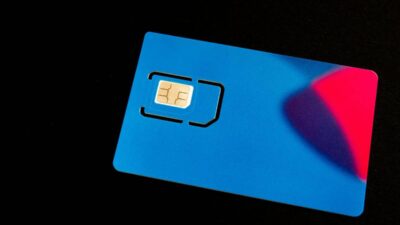

Trying to activate a newer carrier plan on an older iPhone often leads to one confusing question first: does iPhone 8 Plus have eSIM support or only a traditional SIM card?
That confusion makes sense because Apple gradually introduced eSIM across different iPhone generations instead of adding it to every model at once.
While newer iPhones can activate lines digitally and even run multiple eSIM profiles, the iPhone 8 Plus belongs to an earlier generation that still depends on physical SIM hardware for cellular service.
1. Does iPhone 8 Plus Have eSIM?
The iPhone 8 Plus belongs to the generation right before Apple started adding eSIM technology to iPhones. Because of that timing, the device still relies completely on a traditional physical SIM card instead of digital carrier activation.

So while newer iPhones can activate lines through eSIM and support dual SIM functionality, the iPhone 8 Plus does not include built-in eSIM support.
Instead, the phone only works with:
- One physical nano-SIM card
- Traditional SIM tray activation
- Standard carrier-based SIM setup
That means features like dual eSIM, digital carrier downloads, and eSIM-only plans are not available on the iPhone 8 Plus.
2. Why iPhone 8 Plus Doesn’t Support eSIM
The iPhone 8 Plus was released before Apple began integrating eSIM technology into iPhones.
Hardware Limitations from a Pre-eSIM Era
eSIM requires a dedicated embedded SIM chip built directly into the phone’s internal hardware.
Because the iPhone 8 Plus was designed before Apple adopted that technology, the device does not include:
- Embedded SIM hardware
- Digital carrier profile storage
- eSIM activation support
That is also why software updates alone cannot add eSIM compatibility later.
When Apple First Introduced eSIM in iPhones
Apple officially introduced eSIM support one generation later with:
- iPhone XS
- iPhone XS Max
- iPhone XR
Those models became Apple’s first iPhones capable of dual SIM functionality through:
- One physical nano-SIM
- One built-in eSIM
The iPhone 8 Plus remained part of the final generation before Apple started transitioning toward digital SIM support.
3. Which iPhones Do Not Support eSIM? A Quick Legacy List
Several older iPhone generations still rely completely on physical SIM cards.
iPhone X and Older Models Without eSIM
The following iPhone models do not support eSIM:
- iPhone X
- iPhone 8 Plus
- iPhone 8
- iPhone 7 lineup
- iPhone 6 lineup
- iPhone SE (1st generation)
These devices only support traditional nano-SIM activation.
How to Confirm eSIM Support on Any iPhone
The easiest way to check whether an iPhone supports eSIM is through settings.
To verify:
- Open Settings
- Tap General
- Select About
- Look for an EID number
If the device displays an EID, it supports eSIM functionality.
Another method is checking whether Add eSIM appears under Cellular settings.
4. Which iPhones Are eSIM Only? The Newer Apple Lineup
Apple has moved much further toward digital-only activation on newer iPhone generations.
iPhone 14, 15, and 16 U.S. Models
U.S. versions of these iPhones removed the physical SIM tray entirely:
These models rely completely on eSIM activation for carrier service in the United States.
International versions may still include nano-SIM trays depending on the region.
Why Apple Is Moving Toward an eSIM-Only Future
Removing physical SIM trays helps Apple:
- Simplify internal hardware
- Improve water resistance
- Reduce removable components
- Encourage faster digital activation
- Support easier carrier switching
As more carriers expand eSIM support, Apple continues moving newer iPhones further toward fully digital connectivity.
Read more: Does iPhone 14 Have eSIM? Everything You Should Know About Its SIM Support (2026)
5. How to Keep Using Your iPhone 8 Plus Without eSIM
Even without eSIM support, the iPhone 8 Plus can still work reliably for calls, texting, streaming, and everyday apps through traditional carrier activation methods.
Stick with the Nano-SIM in Your Current Slot
The iPhone 8 Plus still supports standard nano-SIM activation through the physical SIM tray on the side of the device.
Most compatible carriers continue supporting:
- LTE service
- Prepaid plans
- Standard talk and text
- Mobile data through physical SIM cards
As long as the device remains unlocked and network-compatible, switching carriers with a nano-SIM is still relatively simple.
Use Wi-Fi Calling Where Coverage Is Weak
Poor cellular reception does not always mean it’s time to replace your phone.
The iPhone 8 Plus supports Wi-Fi Calling, a feature that allows calls and text messages to be routed through a Wi-Fi connection when cellular signal strength is limited.
This can be particularly helpful in locations where coverage struggles to reach consistently, such as apartment buildings, basements, office complexes, or rural areas.
In some situations, Wi-Fi Calling can also provide more reliable communication during periods of network congestion when nearby cellular towers are under heavy demand.
While it won’t add eSIM compatibility to the device, enabling Wi-Fi Calling can improve everyday connectivity and help extend the useful life of the iPhone 8 Plus for users who are not ready to upgrade yet.
6. Thinking About Upgrading to an eSIM-Compatible iPhone?
The biggest limitation of the iPhone 8 Plus today is not everyday performance. It is the lack of flexibility compared to newer iPhones that support eSIM, dual SIM setups, and faster digital carrier activation.
Moving to an eSIM-compatible iPhone can make it easier to:
- Activate service digitally
- Use two numbers on one phone
- Switch carriers faster
- Add travel data plans without swapping SIM cards
- Access newer network features
Depending on eligibility and availability, some households may also qualify for free or discounted smartphones through participating Lifeline providers like AirTalk Wireless.
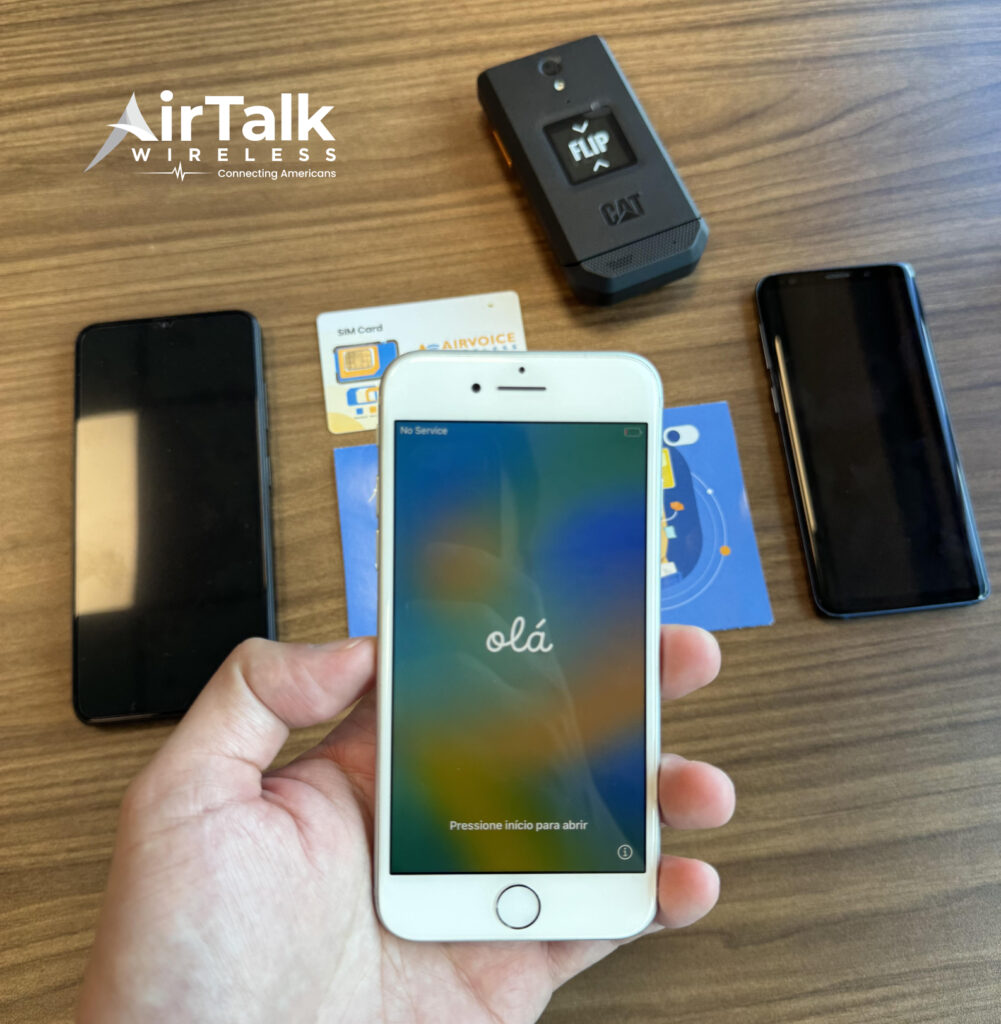
Customers may have access to plans that include monthly talk, text, and data on compatible devices, depending on eligibility and availability. Some users may also be able to bring their own device and activate service through eSIM on supported phones.
For those considering an upgrade from the iPhone 8 Plus, this can be a more affordable way to move to a newer eSIM-compatible device while gaining access to features that older hardware does not support.
7. FAQS
Can the iPhone 8 Plus Use Dual SIM?
No. The iPhone 8 Plus only supports one physical nano-SIM card and does not support dual SIM functionality.
Can eSIM Be Added to iPhone 8 Plus Through Software Updates?
No. The phone does not contain the internal eSIM hardware required for digital SIM activation.
Which iPhone Was the First to Support eSIM?
Apple first introduced eSIM support on the iPhone XS, iPhone XS Max, and iPhone XR.
Can the iPhone 8 Plus Still Work with Modern Carriers?
Yes. Many carriers still support the iPhone 8 Plus through physical nano-SIM activation and LTE service.
8. Conclusion
The iPhone 8 Plus remains fully usable with traditional nano-SIM service, but it arrived just before Apple started shifting iPhones toward eSIM and digital carrier activation.
Today, does iPhone 8 Plus have eSIM matters mostly when comparing upgrade options, switching carriers, or trying to access newer dual-line features. While the device still handles standard SIM-based service well, newer iPhones offer much more flexibility through eSIM support, faster activation methods, and easier carrier management.