Finding the best moisturizer for oily skin can feel confusing, especially if you already struggle with excess shine or clogged pores.
Many people assume oily skin does not need hydration, but skipping moisturizer can actually worsen oil production. When the skin becomes dehydrated, it often compensates by producing even more sebum.
The key is choosing a lightweight, non-comedogenic formula that delivers hydration without heaviness. The right product should absorb quickly, regulate oil balance, and support the skin barrier.
This guide breaks down what to look for, which ingredients matter most, and how to apply moisturizer properly so your skin feels balanced instead of greasy.
1. Why Oily Skin Still Needs Moisturizer
Many people with oily skin skip moisturizer because they are afraid of looking shinier. In reality, dehydration can trigger the skin to produce even more oil as a protective response.
When the barrier lacks water, sebaceous glands often overcompensate, leading to increased shine and congestion.

Moisturizer helps maintain balance by replenishing water content without adding excess heaviness. Lightweight, oil-free formulas can reduce tightness, calm irritation from acne treatments, and support barrier repair.
If you are wondering which moisturizer is best for oily skin, the answer typically involves gel-based or water-based textures that hydrate while controlling excess sebum rather than thick creams designed for dry complexions.
2. What’s The Best Moisturizer for Oily Skin
The best moisturizer for oily skin should absorb quickly, feel breathable, and avoid clogging pores. Non-comedogenic and fragrance-light formulas are often preferred, especially for acne-prone skin.
Some commonly recommended options include:
- La Roche-Posay Effaclar Mat Moisturizer
- Neutrogena Hydro Boost Water Gel
- CeraVe PM Facial Moisturizing Lotion
- Paula’s Choice Clear Oil-Free Moisturizer
- Bioderma Sébium Mat Control
These are commonly recommended options, but the best choice depends on individual skin needs and sensitivities
These products are popular for their lightweight textures and oil-balancing ingredients. While individual skin types vary, gel or lotion formulas tend to work better than heavy creams for those prone to excess shine.
3. What Makes the Best Moisturizer for Oily Skin?
The best moisturizer for oily skin is defined by balance. It should hydrate without clogging pores, absorb quickly, and leave a breathable finish rather than a greasy film.
Texture plays a major role. Gel-based and lightweight lotion formulas are often more suitable than rich creams because they deliver water-based hydration without excess oil.
Ingredient selection is equally important. Non-comedogenic, oil-free formulations help reduce the risk of breakouts. A good moisturizer should also support the skin barrier, especially if you use acne treatments that can cause dryness or irritation.
If you are asking what is the best moisturizer for oily skin, the answer usually involves a lightweight formula that hydrates efficiently, regulates shine, and maintains barrier strength without heaviness.
4. Key Ingredients to Look For in a Moisturizer for Oily Skin
Not all moisturizers are created equal. Certain ingredients are especially helpful for balancing oily or acne-prone skin.
Hyaluronic Acid for Hydration
Hyaluronic acid attracts water into the skin without adding oil. It provides lightweight hydration that helps prevent dehydration-driven oil overproduction. Because it is non-greasy and well-tolerated, it works well in gel or serum-based moisturizers.
Niacinamide for Oil Regulation
Niacinamide helps regulate sebum production and reduce redness. It also supports the skin barrier and may improve the appearance of enlarged pores over time. This makes it particularly beneficial for oily and breakout-prone complexions.
Ceramides for Barrier Support
Even oily skin needs barrier reinforcement. Ceramides strengthen the outer layer of the skin, helping prevent moisture loss and irritation. A healthy barrier reduces inflammation and can indirectly minimize excessive oil production.
Green Tea or Centella for Soothing
Botanical ingredients such as green tea and centella asiatica provide antioxidant and calming benefits. They can help reduce visible redness and support recovery, especially if your skin is reactive or prone to inflammation.
5. Ingredients to Avoid If You Have Oily Skin
Choosing the right moisturizer is not only about what to include, but also what to avoid. Certain ingredients can feel heavy, clog pores, or worsen shine, especially if your skin is already prone to excess oil.
Highly occlusive oils such as coconut oil can be too rich for oily or acne-prone skin. While beneficial for very dry skin types, they may sit heavily on the surface and contribute to congestion. Thick butters like cocoa butter can have a similar effect.
High concentrations of denatured alcohol can also be problematic. Although alcohol may temporarily reduce shine, it can strip the skin barrier and trigger rebound oil production. Over time, this cycle may increase both oiliness and irritation.
Heavily fragranced formulas should be approached carefully as well. Fragrance can irritate sensitive or acne-prone skin, leading to inflammation that worsens breakouts. A lightweight, non-comedogenic formula is generally a safer choice for maintaining balance.
>>>Read more: Do Brightening Serums Help With Hyperpigmentation? What Actually Works and What to Expect
6. How to Apply Moisturizer on Oily Skin Without Feeling Greasy
Applying moisturizer correctly can make a significant difference in how your skin looks and feels throughout the day. Follow these steps to avoid excess shine while still keeping your skin properly hydrated.
Step 1: Cleanse Gently First
Start with a mild cleanser to remove oil, sweat, and buildup. Pat your skin dry with a clean towel, leaving it slightly damp rather than completely dry. Slight dampness helps seal in hydration more effectively.
Step 2: Use a Small Amount
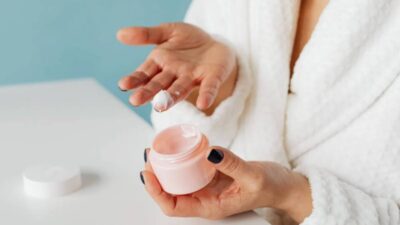
Dispense a pea-sized amount of moisturizer. Using too much product is one of the main reasons oily skin feels heavy or greasy.
Step 3: Warm and Press, Don’t Rub
Lightly warm the product between your fingertips. Gently press it into your skin instead of rubbing vigorously. Pressing encourages even absorption and reduces surface residue.
Step 4: Focus on Oil-Prone Areas Carefully
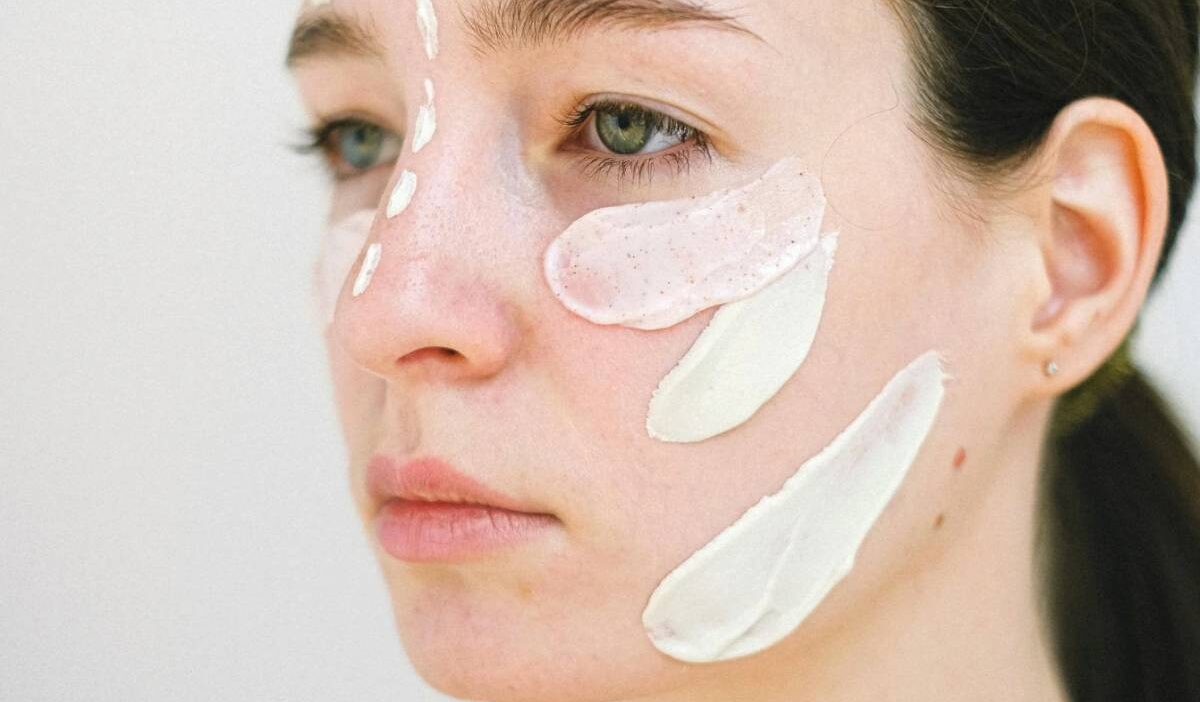
Apply a thinner layer on areas that get especially shiny, such as the forehead and nose. You can slightly increase the amount in drier areas like the cheeks if needed.
Step 5: Allow It to Absorb Before Layering
Wait one to two minutes before applying sunscreen or makeup. Giving the moisturizer time to settle prevents pilling and excess shine.
Step 6: Blot Instead of Reapplying
If your skin becomes shiny during the day, use blotting paper rather than adding more product. Over-layering can increase congestion and heaviness.
Following these steps helps maintain hydration while keeping oily skin balanced and comfortable.
7. FAQs
Do people with oily skin really need moisturizer?
Yes. Skipping moisturizer can cause dehydration, which may increase oil production and worsen breakouts.
What’s the best moisturizer for oily skin?
The best choice is typically a lightweight, oil-free, non-comedogenic formula that hydrates without clogging pores or leaving a heavy finish.
Can moisturizer make oily skin worse?
If the formula is too heavy or comedogenic, it can contribute to congestion. Choosing a gel-based or lightweight lotion reduces this risk.
Should I use moisturizer if I already use acne treatments?
Yes. Acne treatments can dry the skin. A lightweight moisturizer helps maintain barrier strength and reduces irritation.
Is gel moisturizer better than cream for oily skin?
In many cases, gel formulas feel lighter and absorb faster, making them more comfortable for oily or acne-prone skin types.
8. Conclusion
Oily skin still requires proper hydration, but balance is key. The best moisturizer for oily skin should hydrate without heaviness, regulate excess sebum, and support barrier health. Lightweight, non-comedogenic formulas with oil-controlling ingredients can help reduce shine while maintaining comfort.
With the right product and proper application technique, it is possible to keep oily skin hydrated without feeling greasy. Consistency, ingredient awareness, and a balanced routine create long-term improvements in skin clarity and texture.
Follow 456 Skin for expert-backed skincare insights and practical tips you can trust.