If you are dealing with dark spots or uneven skin tone, you may be wondering, do brightening serums help with hyperpigmentation, or are they simply overhyped skincare products? Hyperpigmentation can develop from sun exposure, acne scars, hormonal shifts, or inflammation, and it often lingers longer than expected.
Brightening serums are formulated to target discoloration and promote a more even complexion, but their effectiveness depends on the active ingredients, concentration levels, and consistent use over time. Before investing in one, it is important to understand how these serums work and what realistic results you can expect.
1. Do Brightening Serums Help With Hyperpigmentation?
Yes, brightening serums can help with hyperpigmentation, but their effectiveness depends largely on the formula and how consistently they are used. These serums are designed to target excess melanin production, which is the underlying cause of dark spots and uneven skin tone.
When formulated with proven active ingredients, brightening serums can gradually reduce discoloration and improve overall skin clarity.
However, they are not instant fixes. Hyperpigmentation develops over time, and fading it also takes time. Results typically depend on the type of pigmentation, whether it is caused by sun damage, post-acne marks, or hormonal changes. Deeper forms of pigmentation, such as melasma, may require a combination of topical treatments and professional guidance rather than relying on a serum alone.
Consistency, sun protection, and realistic expectations are key to seeing improvement.
2. What Causes Hyperpigmentation in the First Place?

Hyperpigmentation develops when the skin produces excess melanin in specific areas. Melanin is the natural pigment that determines skin, hair, and eye color. Its main role is protective, especially against ultraviolet radiation.
However, when melanin production becomes overactive or unevenly distributed, darker patches or spots can form on the surface of the skin.
This overproduction is usually triggered by inflammation, sun exposure, or hormonal signals. The skin responds to these triggers by increasing pigment as a defense mechanism. While this response is natural, it can leave behind discoloration that lasts for weeks or even months.
Common causes include:
- Sun exposure: Ultraviolet radiation is one of the most significant contributors to hyperpigmentation. When skin is exposed to the sun, melanocytes increase melanin production to protect against UV damage. Over time, repeated exposure can lead to sunspots, uneven tone, and areas of persistent darkening. Even incidental daily exposure without sunscreen can gradually worsen discoloration.
- Post-inflammatory hyperpigmentation: This type of pigmentation appears after the skin experiences inflammation or injury. Acne breakouts, eczema, allergic reactions, burns, or even minor cuts can leave behind dark marks once the skin heals. The darker the natural skin tone, the more noticeable post-inflammatory hyperpigmentation may be, because melanin-producing cells tend to respond more strongly to inflammation.
- Hormonal changes: Hormones can directly influence melanin production. Melasma, for example, is often linked to pregnancy, oral contraceptives, or other hormonal fluctuations. It commonly appears as symmetrical patches on the cheeks, forehead, or upper lip. Hormonal pigmentation can be more persistent and may require targeted treatment combined with strict sun protection.
- Skin irritation or over-treatment: Over-exfoliation, aggressive chemical peels, harsh skincare ingredients, or frequent picking at blemishes can damage the skin barrier. When the skin becomes irritated, it may respond by producing more pigment as part of the healing process. In some cases, attempts to “fix” pigmentation too quickly can actually make it worse.
Getting a hold of the underlying cause of hyperpigmentation is essential because different types respond differently to treatment. Sun-induced spots may improve with brightening agents and sun protection, while hormonal pigmentation may require more specialized approaches. Identifying the trigger helps guide a more effective and realistic treatment plan.
>> Read more: 4.5/6 Means What? Understanding This Health Score and What It Says About You
3. How Brightening Serums Work on Dark Spots
Brightening serums target hyperpigmentation by interfering with melanin production, increasing skin cell turnover, or reducing inflammation that triggers discoloration. Many formulas combine multiple approaches to improve overall results.
Ingredients That Actually Help With Hyperpigmentation
Certain ingredients have strong research support for reducing dark spots:
- Vitamin C: Helps inhibit melanin production and brightens overall skin tone.
- Niacinamide: Reduces pigment transfer within the skin and strengthens the skin barrier.
- Alpha arbutin: Works to gradually lighten existing discoloration.
- Tranexamic acid: Often used for stubborn pigmentation like melasma.
- Retinoids: Increase cell turnover, helping pigmented cells shed more quickly.
- Azelaic acid: Targets both inflammation and pigment production.
Products containing these ingredients, especially in clinically effective concentrations, are more likely to produce visible improvement over time.
Ingredients That Are Often Overhyped
Some ingredients are marketed as brightening but may offer only mild or supportive benefits:
- Botanical extracts without strong clinical backing
- Low-concentration fruit extracts
- Fragrance-heavy formulations labeled as “radiance boosting”
- Products that focus only on surface glow rather than pigment control
While these ingredients may enhance overall skin appearance temporarily, they may not significantly reduce deeper hyperpigmentation. For meaningful results, active ingredients that directly affect melanin production are usually necessary.
4. How Long Does It Take to See Results?
When asking do brightening serums help with hyperpigmentation, one of the most important follow-up questions is how long results actually take. In most cases, visible improvement does not happen overnight. Skin cell turnover typically takes about 4 to 6 weeks, which means early changes may only become noticeable after a full skin cycle.
For mild post-acne marks, some people see subtle fading within 4 to 8 weeks with consistent use. More stubborn pigmentation, such as sunspots or melasma, may require 8 to 12 weeks or longer. Deeper pigmentation often needs combination treatment and strict daily sunscreen use to prevent further darkening.
Consistency matters more than frequency. Applying a brightening serum correctly every day, while protecting the skin from UV exposure, plays a major role in achieving steady improvement.
5. How to Use Brightening Serums Safely
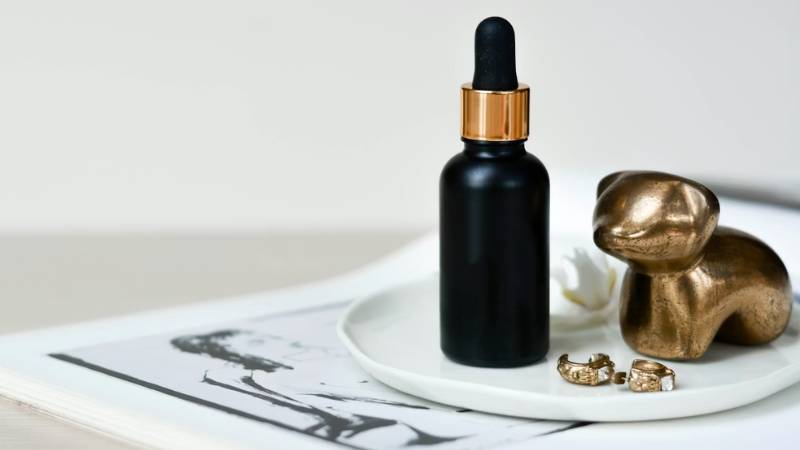
Using brightening serums properly helps reduce irritation and maximize results. (Image by Unsplash)
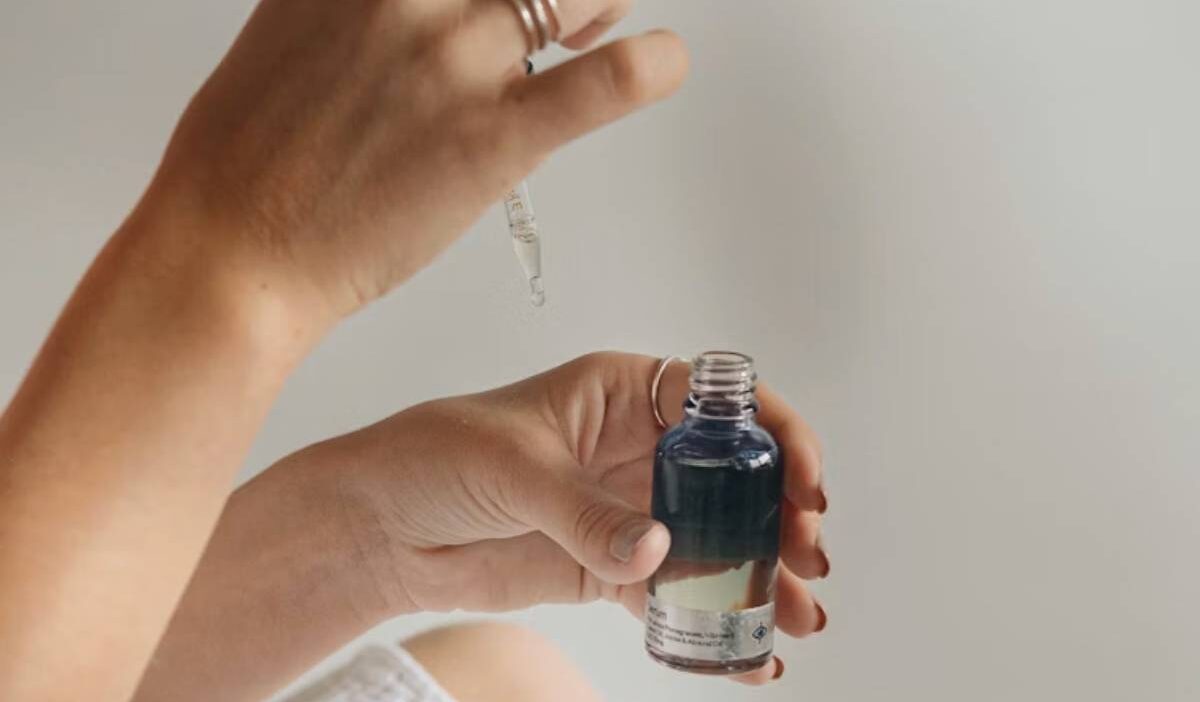
- Apply to clean, dry skin before moisturizer.
- Start once daily if the formula contains strong actives such as retinoids or acids.
- Use sunscreen every morning, even on cloudy days. Sun exposure can reverse progress quickly.
- Avoid mixing multiple strong actives unless guided by a professional.
- Perform a patch test before full application, especially if you have sensitive skin.
Overuse or combining too many active ingredients can trigger irritation, which may actually worsen hyperpigmentation. A simple, consistent routine is usually more effective than layering multiple treatments.
6. Conclusion
So, do brightening serums help with hyperpigmentation? The answer is yes, when they contain proven ingredients and are used consistently with proper sun protection. While results take time, well-formulated brightening serums can gradually fade dark spots and improve overall skin tone. Choosing evidence-based ingredients and maintaining realistic expectations are key to seeing meaningful improvement.
7. FAQs
Do brightening serums permanently remove hyperpigmentation?
Brightening serums can significantly reduce the appearance of dark spots, but maintenance and sun protection are necessary to prevent recurrence.
Can I use a brightening serum every day?
Most brightening serums are designed for daily use, but frequency depends on the strength of the active ingredients. Always follow product instructions.
Is vitamin C enough to treat hyperpigmentation?
Vitamin C can help with mild discoloration, but stubborn pigmentation may require additional ingredients such as retinoids or tranexamic acid.
Can hyperpigmentation come back after treatment?
Yes. Without proper sun protection or if underlying triggers persist, pigmentation can return over time.
Should I see a dermatologist if my dark spots do not fade?
If hyperpigmentation does not improve after several months of consistent treatment, consulting a dermatologist may help determine stronger or alternative options.