Foot irritation can look similar at first, especially when peeling, dryness, or itching appear around the toes or soles. This often makes it difficult to tell whether the issue is simply dry skin or something more persistent.
Athlete’s foot vs dry skin is a common comparison because both can affect the same areas, but have very different causes. Understanding how they differ helps you choose the right treatment and avoid making symptoms worse.
1. Athlete’s Foot vs Dry Skin: Key Differences at a Glance
When comparing athlete’s foot vs dry skin, the key difference lies in the cause and how the condition behaves over time. While both may involve peeling or a rough texture, their patterns and symptoms are not the same.
| Feature | Athlete’s Foot | Dry Skin |
| Cause | Fungal infection | Lack of moisture |
| Texture | Peeling, sometimes moist or cracked | Dry, flaky, rough |
| Itching | Often intense | Usually mild or none |
| Spread | Can spread to other areas | Stays localized |
| Odor | May be present | No odor |
| Response to Moisturizer | Often worsens | Usually improves |
Recognizing these differences helps avoid using the wrong treatment, which can make symptoms more noticeable.
2. What Athlete’s Foot Looks and Feels Like
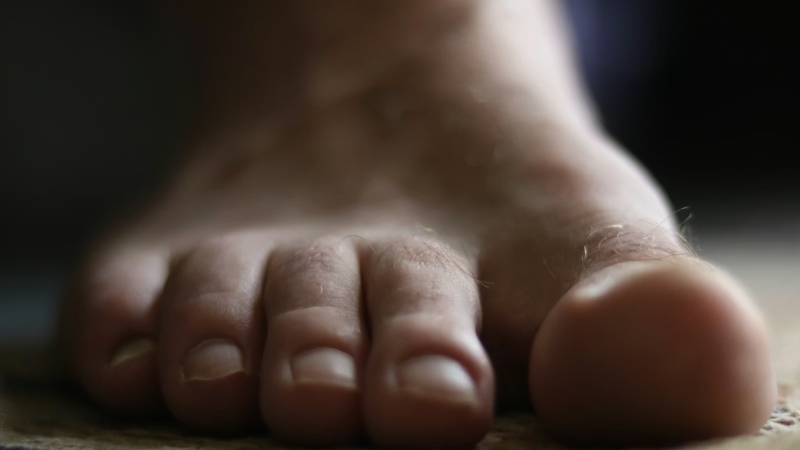
Athlete’s foot is a fungal condition that develops in warm, moist areas of the feet. When comparing dry skin on feet vs athlete’s foot, the symptoms of athlete’s foot tend to be more reactive and persistent.
2.1. Fungal Infection (Tinea Pedis)
Athlete’s foot is caused by a fungal infection known as tinea pedis.
This type of fungus thrives in environments like sweaty shoes or damp surfaces. Once it develops, it can continue to grow if not treated properly.
2.2. Peeling Between Toes
One of the most common signs is peeling skin between the toes.
The skin may appear white, soft, or slightly soggy rather than simply dry. This peeling is often more concentrated in the spaces between toes rather than evenly across the foot.
2.3. Burning or Intense Itching
Athlete’s foot is often associated with noticeable discomfort.
Itching can be persistent and may feel more intense than typical dryness. In some cases, a burning sensation may also occur, especially when the skin becomes irritated.
2.4. Possible Odor or Cracks
As the condition progresses, the skin may develop small cracks or fissures.
There may also be a mild odor due to the presence of fungi and moisture. These signs are less common in simple dry skin and can help distinguish between the two conditions.
3. What Dry Skin on Feet Looks and Feels Like
When comparing athlete’s foot vs dry skin between toes, dry skin tends to be more stable and less reactive. It is usually caused by a lack of moisture rather than infection, which affects how it looks and behaves.
3.1. Uniform Flakiness
Dry skin often appears as even, fine flaking across the surface.
Instead of being concentrated between the toes, it can show up on the heels, sides of the feet, or across larger areas. The flakes are typically dry and powdery rather than moist or peeling in layers.
3.2. Tight or Rough Texture
A common sign is a feeling of tightness after washing or exposure to dry air.
The skin may feel rough to the touch, especially on pressure areas like the heels. Unlike fungal conditions, this texture tends to remain consistent rather than becoming irritated or inflamed quickly.
3.3. Improves With Moisturizer
Dry skin usually responds well to hydration.
Applying a moisturizer can quickly improve how the skin feels and looks. With regular use, the flakiness and roughness tend to reduce over time, which is a key difference when comparing athlete’s foot vs dry skin.
3.4. No Spreading Pattern
Dry skin does not spread from one area to another.
It may appear in multiple areas due to overall dryness, but it does not move or expand in a pattern. This is different from fungal conditions, which can spread if left untreated.
4. Why Athlete’s Foot Is Contagious but Dry Skin Is Not
The main difference between athlete’s foot vs dry skin lies in the underlying cause.
Athlete’s foot is caused by a fungus, which means it can spread through contact with contaminated surfaces or skin. Environments like locker rooms, damp floors, or shared footwear can increase the risk of transmission.
Dry skin, on the other hand, is not caused by an infection. It results from moisture loss and environmental factors, so it cannot be passed from one person to another.
This distinction is important because it affects both treatment and prevention. While fungal infections require targeted treatment to stop spreading, dry skin can be managed with hydration and barrier support.
>>>Learn more: Best Moisturizer for Dry Skin: What to Look For and Top Hydrating Options
5. How Treatment Differs
When comparing athlete’s foot vs dry skin, treatment needs to match the underlying cause. Using the wrong approach can delay improvement or make symptoms worse.
5.1. Antifungal Creams for Athlete’s Foot
Athlete’s foot requires antifungal treatment because it is caused by a fungus.
Topical antifungal creams are designed to stop fungal growth and gradually clear the infection. These products are usually applied consistently over a period of time, even after symptoms begin to improve.
Keeping the feet dry and clean is also important, as moisture can allow the fungus to persist. Without proper treatment, the condition may continue or spread.
5.2. Barrier Repair and Hydration for Dry Skin
Dry skin is managed by restoring moisture and supporting the skin barrier.
Using moisturizers that contain ingredients like glycerin, ceramides, or emollients helps improve hydration and reduce roughness. This approach focuses on maintaining balance rather than targeting an infection.
Consistent use is key, as improvement happens gradually with regular hydration.
5.3. When Moisturizer Makes It Worse
Moisturizer helps dry skin but may worsen fungal conditions.
Applying heavy or occlusive products to athlete’s foot can trap moisture, creating an environment where fungi continue to grow. This can make symptoms more noticeable instead of improving them.
This difference is important when distinguishing athlete’s foot vs dry skin, as the same product can have opposite effects depending on the condition.
6. FAQs
Can athlete’s foot go away on its own?
In some cases, symptoms may improve temporarily, but the underlying fungus usually remains. Without treatment, it can return or spread.
How can you tell if it is athlete’s foot or dry skin?
Athlete’s foot often involves itching, peeling between toes, and spreading patterns, while dry skin is usually more even, less irritated, and improves with moisturizer.
Is it safe to use moisturizer on irritated feet?
Moisturizer is helpful for dry skin, but if a fungal infection is present, it is better to treat the infection first before focusing on hydration.
7. Conclusion
Understanding athlete’s foot vs dry skin helps guide the right treatment approach. While they may look similar at first, their causes and responses to products are different.
Choosing the correct method based on the condition allows for more effective care and helps prevent symptoms from becoming worse over time.
Follow 456 Skin for expert-backed skincare insights and practical tips you can trust.