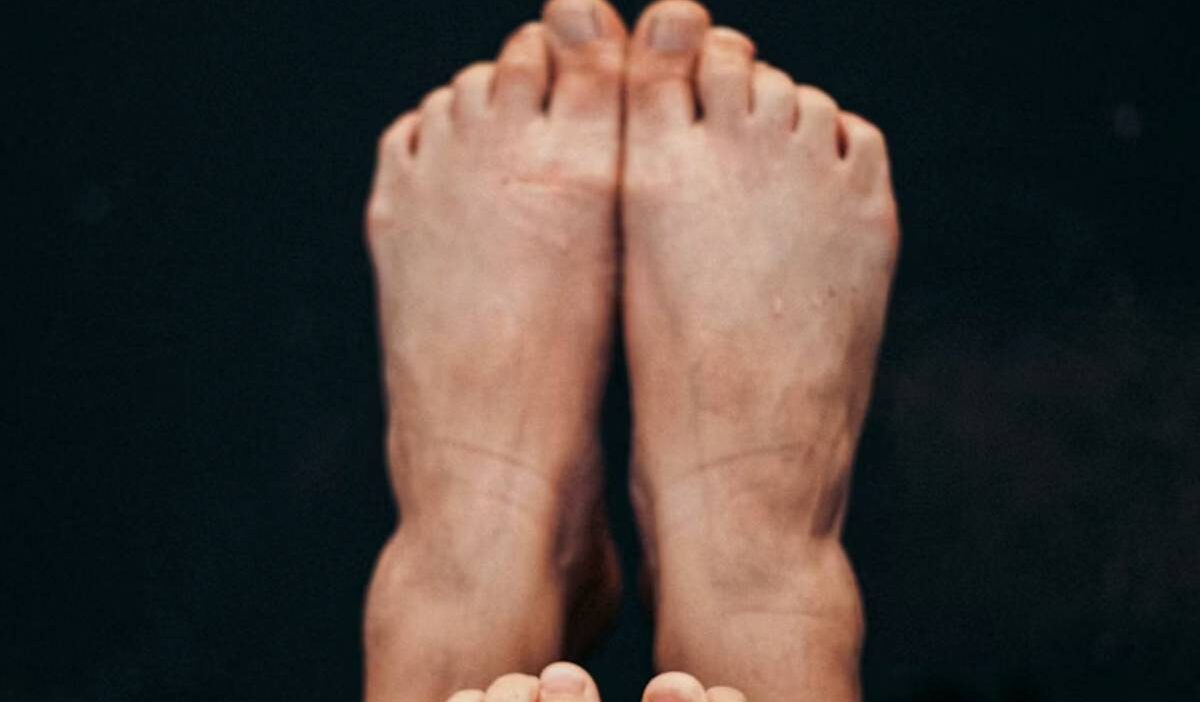
Noticing flakes or thin sheets of skin coming off your feet can feel alarming, especially when it seems to happen without warning. If you are asking why are my feet peeling, the answer can range from simple dryness to fungal infections or skin irritation.
The location, severity, and accompanying symptoms often provide important clues. Some cases involve mild moisture imbalance, while others may signal athlete’s foot or contact dermatitis.
Understanding why are my feet peeling helps you choose the right treatment instead of guessing and potentially worsening the condition.
1. What Does Peeling Skin on Feet Usually Mean?
Peeling skin on the feet is often a sign that the outer layer of skin is shedding faster than usual. This process can happen for several reasons, ranging from simple dryness to infections or irritation. If you are wondering why are the bottom of my feet peeling, the location of the peeling provides useful clues.
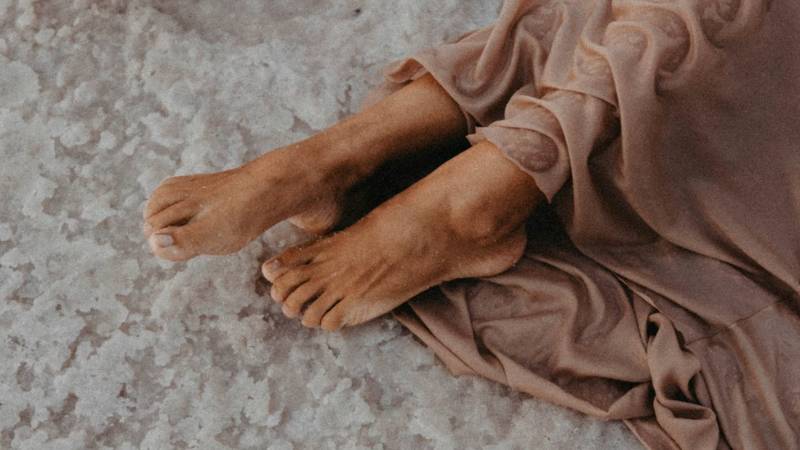
When peeling occurs mainly on the heels or soles without redness or itching, dryness is often the cause. However, if the skin is itchy, cracked, or spreading between the toes, a fungal infection may be involved. In some cases, peeling may follow friction, sweating, or a reaction to skincare products.
Understanding why are my feet peeling helps narrow down whether the issue is mild and temporary or something that requires targeted treatment.
2. Common Causes of Peeling Feet
If you are asking why are my feet peeling so bad, it usually means the peeling is persistent, widespread, or accompanied by discomfort. Several common triggers can lead to visible flaking or shedding.
Dry Skin and Lack of Moisture
Dryness is one of the most common causes of peeling feet. The soles naturally contain fewer oil glands than other parts of the body, making them prone to dehydration. Hot showers, harsh soaps, and cold weather can strip moisture from the skin, leading to flaking and cracking.
When dryness is the cause, peeling typically appears without intense itching or redness. Regular moisturizing often improves the condition within days.
Read more: Best Lotion for Dry Skin: How to Choose a Formula That Truly Hydrates and Repairs
Athlete’s Foot (Fungal Infection)
Athlete’s foot is a fungal infection that thrives in warm, damp environments such as sweaty shoes or locker rooms. It often causes peeling between the toes and on the soles, accompanied by itching, burning, or redness.
In more severe cases, the skin may crack or blister. If peeling spreads or worsens despite moisturizing, antifungal treatment may be necessary.
Contact Dermatitis
Contact dermatitis occurs when the skin reacts to an irritant or allergen. New soaps, foot creams, detergents, or even certain shoe materials can trigger inflammation.
Peeling caused by dermatitis is often paired with redness, itching, or a rash. Identifying and removing the irritant usually improves symptoms.
Excessive Sweating and Friction
Feet that sweat heavily inside tight shoes create a moist environment that weakens the outer skin layer. Repeated friction from walking or athletic activity can then cause peeling.
In these cases, managing moisture and choosing breathable footwear can reduce recurrence.
3. When Peeling Feet Could Be a Medical Condition
Occasional flaking from dryness is common, but persistent or severe peeling may point to an underlying medical issue. If you are asking why are the bottoms of my feet peeling and symptoms continue despite moisturizing, it may be time to look deeper.
Certain skin conditions can cause chronic peeling, including:
- Eczema – Often linked to itching, redness, and recurring flare-ups
- Psoriasis – May cause thick, scaly patches on the soles
- Keratolysis exfoliativa – A condition that leads to recurrent superficial peeling without significant redness
- Fungal infections that have spread beyond mild athlete’s foot
If peeling is accompanied by pain, bleeding cracks, spreading redness, or signs of infection, medical evaluation is recommended. Suddenly, severe peeling or symptoms that do not improve within a few weeks should also be assessed by a healthcare professional.
Read more: How to Darken Skin Safely: Natural Tanning and Sunless Options Explained
4. How to Treat Peeling Skin on Feet Based on the Cause
Treatment depends on identifying the trigger. Asking why are my feet peeling all of a sudden can help you connect the symptoms to recent changes, such as new footwear, products, or environmental exposure.
For Dry Skin
When dryness is the cause:
- Apply a thick moisturizer containing urea, glycerin, or ceramides daily
- Use lukewarm water instead of hot showers
- Avoid harsh soaps
- Apply foot cream at night and wear cotton socks to lock in moisture
Gentle exfoliation once or twice a week can remove loose dead skin, but aggressive scrubbing should be avoided.
For Fungal Infections
If peeling is caused by athlete’s foot:
- Use over-the-counter antifungal creams containing clotrimazole or terbinafine
- Keep feet dry and change socks daily
- Choose breathable footwear
- Disinfect shoes if necessary
Treatment typically continues for one to two weeks, even after symptoms improve, to prevent recurrence.
For Irritation or Allergies
If peeling follows exposure to a new product or material:
- Stop using the suspected irritant
- Switch to fragrance-free, hypoallergenic products
- Apply a soothing moisturizer
- In some cases, a mild topical corticosteroid may be recommended by a healthcare provider
Identifying the trigger is essential to prevent repeat reactions.
5. Conclusion
Peeling skin on the feet can range from simple dryness to fungal infections or chronic skin conditions. Asking why are my feet peeling helps guide the next step, whether that means moisturizing more consistently, using antifungal treatment, or seeking medical advice.
Location, severity, and accompanying symptoms provide important clues. With the right approach based on the cause, peeling can often improve within days or weeks, restoring smoother and healthier-looking skin.
Follow 456 Skin for expert-backed skincare insights and practical tips you can trust.
6. FAQs
Why are the bottoms of my feet peeling but not itchy?
Non-itchy peeling is often caused by dry skin or mild friction. Regular moisturizing usually improves the condition.
Why are my feet peeling all of a sudden?
Sudden peeling may result from new products, excessive sweating, fungal exposure, or environmental changes such as cold weather.
Can dehydration cause peeling feet?
Yes. Lack of hydration and low humidity can contribute to dryness and flaking.
When should I see a doctor for peeling feet?
Seek medical advice if peeling is severe, painful, spreading, or accompanied by bleeding cracks, blisters, or persistent redness.