Why do some body lotions feel soothing for an hour, while others keep skin comfortable all day? The difference often comes down to formulation and clinical evidence.
When looking for the best body lotion for dry skin dermatologist-recommended, ingredient quality matters far more than marketing claims. Dermatologists focus on barrier repair, proven hydrators, and formulas that minimize irritation.
This guide breaks down what skin experts actually suggest, which ingredients they prioritize, and how to choose a body lotion that delivers reliable, long-term hydration.
1. What Dermatologists Look for in a Body Lotion for Dry Skin
Dermatologists evaluate body lotions based on how well they support the skin barrier and reduce water loss over time. The best body lotion for dry skin dermatologist-recommended, typically contains clinically supported ingredients that improve hydration beyond surface softness. Texture, tolerance, and ingredient concentration all matter more than packaging or fragrance.
Skin experts often prioritize:
- Barrier-repair lipids
- Long-lasting humectants
- Minimal irritants
- Proven occlusive support
A product that simply feels silky may not provide meaningful improvement for persistent dryness. Dermatologists focus on measurable skin improvement, especially in patients with chronic dry or sensitive skin.
Evidence-Based Hydration vs Cosmetic Moisture
Cosmetic moisture refers to the temporary smooth feeling some lotions create immediately after application. This effect often comes from silicones or lightweight emollients that coat the surface.
Evidence-based hydration, on the other hand, improves the skin barrier and reduces transepidermal water loss. Clinical ingredients such as ceramides, glycerin, and urea help restore structural lipids and increase water retention over time. The best body lotion for dry skin dermatologist-recommended, usually contains ingredients supported by clinical data rather than relying solely on texture appeal.
Why Fragrance-Free Often Wins
Fragrance is one of the most common triggers for irritation, particularly in people with sensitive or eczema-prone skin. Even natural or essential oil fragrances can cause inflammation in compromised skin.
Dermatologists frequently recommend fragrance-free formulas because they reduce the risk of redness, itching, and flare-ups. When evaluating the best body lotion for dry skin dermatologist-recommended, a simple ingredient list with fewer potential irritants is often preferred.
2. Dermatologist-Recommended Ingredients for Dry Body Skin
Certain ingredients appear consistently in dermatologists’ recommendations for dry skin. These components target hydration, texture, and barrier repair simultaneously.
Ceramides and Barrier Lipids
Ceramides are naturally occurring lipids in the skin barrier. They help maintain structural integrity and prevent water from escaping. In dry or aging skin, ceramide levels decline, leading to increased moisture loss.
Lotions that include ceramides, cholesterol, and fatty acids help replenish these lipids. This combination strengthens the barrier and supports long-term hydration.
Urea and Lactic Acid for Rough Texture
For patients with rough or flaky body skin, dermatologists may suggest lotions containing urea or lactic acid. Urea hydrates while softening thickened skin. Lactic acid gently exfoliates dead cells and improves moisture retention.
These ingredients are particularly helpful for keratosis pilaris, thick patches, or dull texture. However, they should be introduced gradually on sensitive skin.
Petrolatum for Severe Dryness
Petrolatum remains one of the most effective occlusive ingredients for reducing moisture loss. It forms a protective layer that helps prevent water evaporation.
For severe dryness, cracked skin, or winter-related irritation, dermatologists often recommend petrolatum-based products. The best body lotion for dry skin dermatologist-recommended may include petrolatum for strong barrier protection, especially in patients with chronic dryness.
>>>Read more: Astaxanthin Tan 2026: Does Astaxanthin Change Skin Tone or Help With Tanning?
3. Best Body Lotion for Chronic Dryness and Eczema-Prone Skin
Chronic dryness and eczema-prone skin require more structured care than occasional moisturizing. The barrier is often compromised, meaning moisture escapes quickly and irritants penetrate more easily. The best body lotion for dry skin dermatologist-recommended in these cases, focuses on barrier repair, inflammation control, and long-term hydration rather than temporary softness.
Some of the Most In-Demand Options
Dermatologists frequently mention the following products for chronic dryness and eczema-prone skin:
- Vanicream Moisturizing Cream
- CeraVe Moisturizing Cream
- La Roche-Posay Lipikar Balm AP+M
- Eucerin Eczema Relief Cream
- Aveeno Eczema Therapy Moisturizing Cream
These options are often cited among the best body lotion for dry skin dermatologist-recommended because they prioritize ceramides, colloidal oatmeal, petrolatum, or other clinically supported barrier-repair ingredients.
What Makes a Formula Safe for Compromised Skin
For eczema-prone or severely dry skin, safety is just as important as hydration strength.
A formula is generally considered safer when it is:
- Fragrance-free
- Free of essential oils
- Alcohol-free
- Hypoallergenic
- Dermatologist-tested
Shorter ingredient lists often reduce the risk of irritation. Products designed for sensitive or eczema-prone skin usually avoid unnecessary additives that can trigger flare-ups.
How to Support Flare-Prone Skin Year-Round
Eczema and chronic dryness tend to worsen during colder months, low humidity, or periods of stress. Consistent barrier support helps reduce flare frequency.
To support flare-prone skin:
- Apply lotion immediately after bathing
- Use lukewarm, not hot, water
- Avoid harsh soaps and body washes
- Moisturize at least once daily, even during remission
Maintaining a steady routine helps the skin barrier remain resilient, which reduces the likelihood of sudden dryness or irritation.
4. How Dermatologists Recommend Applying Body Lotion
Application technique influences how well the best body lotion for dry skin dermatologist-recommended performs.
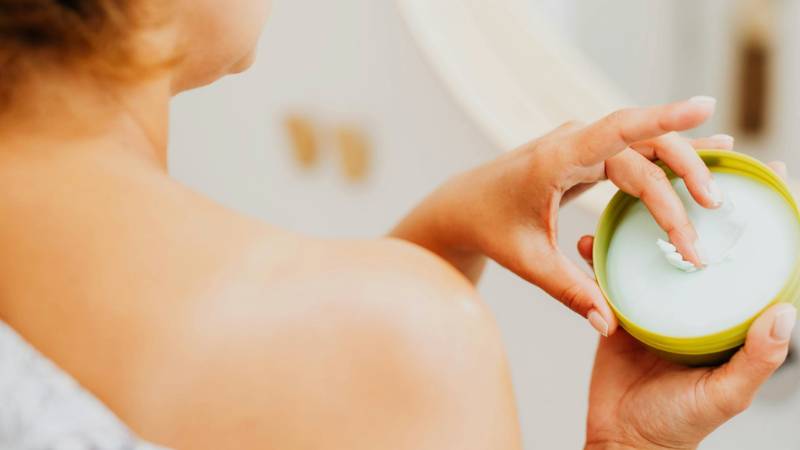
Dermatologists often suggest the “three-minute rule.” Apply lotion within three minutes after showering while the skin is still slightly damp. This helps seal in moisture before evaporation occurs.
Additional recommendations include:
- Pat skin dry instead of rubbing
- Use enough product to lightly coat the surface
- Reapply to severely dry areas during the day if needed
- Consider layering a thicker cream at night
For eczema-prone skin, consistency is critical. Even when symptoms improve, daily moisturizing helps maintain barrier strength and prevent relapse.
5. Conclusion
Chronic dryness and eczema-prone skin require targeted barrier repair and consistent hydration. The best body lotion for dry skin dermatologist-recommended, typically includes ceramides, colloidal oatmeal, or petrolatum to support long-term moisture retention and reduce irritation risk. Ingredient safety, proper application, and daily use all contribute to healthier, more resilient skin. With the right routine, even flare-prone skin can remain smoother and more comfortable throughout the year.
Follow 456 Skin for expert-backed skincare insights and practical tips you can trust.
6. FAQs
What is the best body lotion for dry skin dermatologist-recommended?
Dermatologists often recommend fragrance-free formulas containing ceramides, petrolatum, or colloidal oatmeal for long-lasting barrier support.
Is body lotion enough for eczema-prone skin?
For mild eczema, lotion may help. Moderate to severe cases may require thicker creams, balms, or prescription treatments.
How often should I moisturize chronic dry skin?
Most dermatologists suggest moisturizing at least once daily and immediately after bathing.
Are natural lotions better for eczema-prone skin?
Not necessarily. Fragrance-free, clinically tested formulas are usually preferred over heavily scented or essential oil-based products.