Olive skin stands out because of its subtle green or muted undertone that sets it apart from clearly warm or cool complexions.
While it can range from light to deep in depth, the defining feature is the unique undertone that affects how colors appear against the skin. Some shades that look flattering on warm or cool tones may appear dull or slightly gray on olive complexions.
Identifying olive skin correctly helps with selecting foundation, blush, lip color, and even hair shades that enhance natural features rather than clash with them.
This guide explains what makes olive skin distinctive and how to choose the most complementary colors for a balanced, radiant look.
1. What Makes Olive Skin Unique?
Olive skin is defined by a subtle green, muted, or slightly gray undertone beneath the surface.
Unlike clearly pink-based cool tones or golden warm tones, olive undertones sit somewhere in between but carry a distinct earthy quality.
This undertone can appear in light, medium, or deep skin depths, which means olive skin is not limited to one shade range.
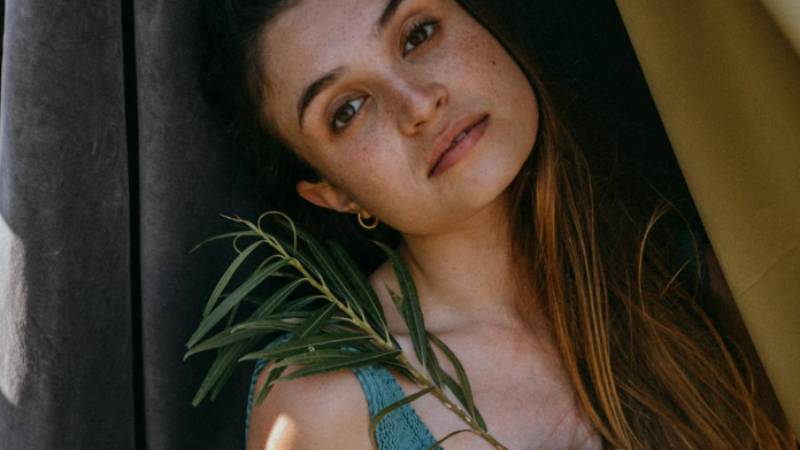
One of the most noticeable traits of olive skin is how it reacts to certain colors. Some foundations may appear too yellow, too pink, or even slightly orange once applied. Jewelry choices can also behave differently. While both gold and silver may work, neither may look dramatically better than the other.
2. How Olive Skin Is Different From Warm or Cool Undertones
Olive undertones are often misunderstood because they do not fit neatly into the traditional warm or cool categories. The green or neutral-muted base can make color matching more complex.
Olive vs Warm Undertones
Warm undertones typically have golden, peach, or yellow hues. These complexions often glow in earthy colors like coral, mustard, and bronze.
Olive skin may share some warmth, but it also carries a muted or greenish base that can react differently to overly yellow shades. Foundations labeled “warm” may sometimes appear too orange on olive skin.
Olive vs Cool Undertones
Cool undertones lean pink, red, or blue. These complexions usually pair well with jewel tones and silver jewelry. Olive skin may occasionally look good in cool shades, but strong pink-based products can clash with the subtle green undertone, creating an uneven effect.
Why Olive Skin Can Look Ashy in the Wrong Shade
Because olive undertones are muted, overly light or overly pink shades can create a gray or dull appearance. Foundations without a balanced undertone may make the skin look flat rather than radiant. Selecting shades with neutral or slightly olive-specific bases helps maintain vibrancy and prevents the ashy effect.
>>>Read more: Does Exfoliating Lighten Skin? The Real Effect on Skin Tone and Dark Spots 2026
3. Best Makeup Shades for Olive Skin
Olive skin responds best to shades that balance its muted green undertone without adding excess pink or strong yellow. The right makeup enhances natural warmth while maintaining clarity in the complexion. Because olive tones can shift slightly depending on lighting and season, testing shades in natural light helps prevent mismatches.
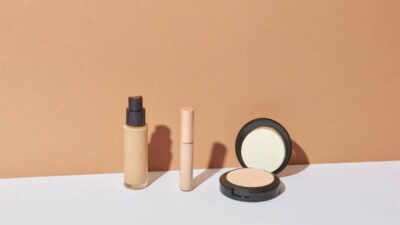
Foundation Shades That Don’t Turn Orange
Many olive complexions struggle with foundation oxidation. Shades labeled overly warm or golden may turn orange after a few hours. Neutral foundations with subtle green or balanced undertones usually perform better.
Some brands now offer specific “olive” undertone options, which help prevent the common issue of foundation looking too peach or too pink. Swatching along the jawline and checking after a few minutes allows you to see how the shade settles.
Blush Colors That Brighten
Blush shades that lean too cool can look stark, while overly warm corals may overpower the complexion. Soft rose, muted berry, terracotta, and dusty peach often enhance olive skin without clashing. These tones add dimension while maintaining harmony with the natural undertone.
Lip Colors That Complement Olive Skin
Lip colors with balanced depth work especially well. Brick red, warm nude, mauve-brown, and berry shades tend to flatter olive undertones. Very pale nude lipsticks can wash out the complexion, while overly cool pinks may emphasize the green base. Slight warmth or depth usually creates a more cohesive result.
Highlighters That Avoid Ashiness
Highlighters with icy or stark silver tones may appear chalky. Champagne, soft gold, or neutral pearl finishes typically blend more seamlessly. The goal is subtle luminosity rather than a frosty contrast that disrupts the undertone balance.
4. Hair Colors That Complement Olive Skin
Hair color plays a significant role in how olive skin appears overall. Shades that are too ashy can dull the complexion, while extremely warm tones may exaggerate yellow undertones.
Rich chocolate brown, warm espresso, honey highlights, and soft caramel often enhance olive complexions. Deep auburn or subtle copper can also work when balanced carefully. For lighter shades, neutral or slightly golden blondes tend to harmonize better than platinum or icy tones.
When selecting hair color, depth and balance matter more than extreme contrast. A shade that complements the natural undertone helps the skin appear brighter and more even.
5. FAQs
Which ethnicities have olive skin?
Olive skin appears across many ethnic backgrounds, including Mediterranean, Middle Eastern, Latin, South Asian, and some European populations. It is not limited to one specific region.
What is an olive skin tone?
An olive skin tone has a subtle green or muted undertone beneath the surface. It may range from light to deep in overall color but maintains that distinct base.
Is olive skin tone beautiful?
Beauty standards vary, but olive skin is widely admired for its unique undertone and versatility with color. The key to enhancing it lies in choosing complementary shades.
What is the rarest skin tone?
There is no universally agreed-upon rarest skin tone, as skin tones exist on a spectrum. Olive undertones are less common than clearly warm or cool tones, which sometimes makes them feel more distinctive.
6. Conclusion
Olive skin stands out because of its muted, green-based undertone that reacts uniquely to color. The most flattering makeup and hair shades are those that balance warmth without adding excess pink or yellow.
Careful shade selection prevents dullness and enhances natural vibrancy. With the right tones, olive complexions can appear balanced, radiant, and well-defined.
Follow 456 Skin for expert-backed skincare insights and practical tips you can trust.