If you’re searching for how to get nail glue off skin, the good news is that it can usually be removed safely at home with the right approach. Nail glue contains strong adhesives designed to bond quickly, which is why it sticks firmly to skin. However, with gentle techniques and a bit of patience, you can loosen and remove the glue without damaging your skin.
1. How to Get Nail Glue Off Skin Safely: Step by Step guide
If you are wondering how to get nail glue off skin, the safest approach is to loosen the adhesive gradually rather than pulling it off forcefully. Whether the glue is still tacky or fully hardened, patience helps prevent skin damage. The same steps apply if you are searching for how to get nail glue off your skin after a manicure mishap.
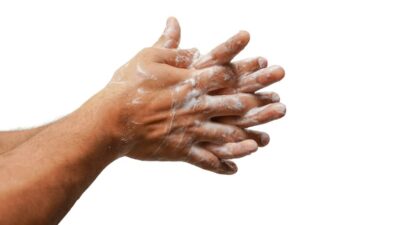
Soak in Warm, Soapy Water
The first step in how to get nail glue off skin is soaking the affected area in warm, soapy water for 10 to 15 minutes.
Warm water helps soften the glue, while soap works to break down surface tension.
After soaking, gently rub the area with a soft cloth or your fingers. In many cases, this alone can loosen small amounts of adhesive.
If you are trying to figure out how to get dried nail glue off skin, you may need to repeat this soaking step a few times before moving on to stronger methods.
Use Acetone Carefully
Acetone can dissolve nail glue because most nail adhesives contain cyanoacrylate, which breaks down in acetone. To use it safely, apply a small amount of acetone-based nail polish remover to a cotton pad and gently dab the glued area.
Avoid soaking large areas of skin in acetone, as it can cause dryness and irritation.
After a few minutes, the glue should begin to soften. This method is often effective when searching for how to get dried nail glue off skin, especially if warm water alone does not work.
Gently Roll or Peel the Glue Away
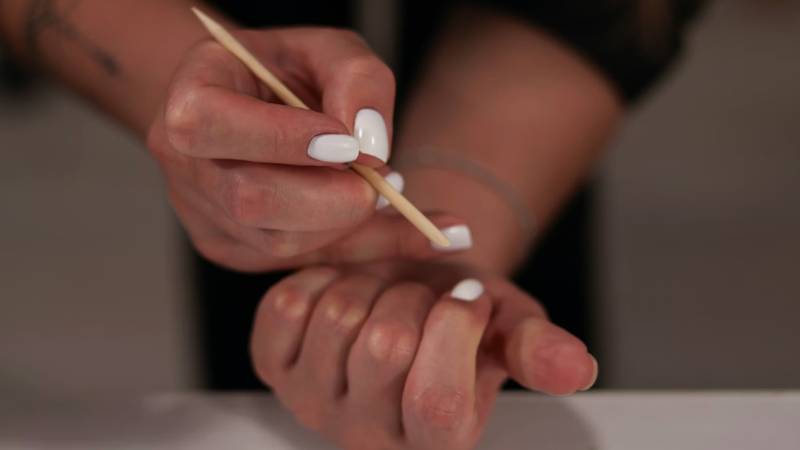
Once the glue softens, gently roll it away with your fingers or use a soft tool like a wooden cuticle stick.
Do not rip or tear the glue off forcefully. If it resists, return to soaking or apply a little more acetone before trying again.
Working slowly is essential when learning how to get nail glue off skin without causing redness, peeling, or minor skin injury.
2. What Not to Do When Removing Nail Glue
Avoid scraping the glue off with sharp tools such as metal files, knives, or scissors. This can easily cut or damage the skin.
Do not pull the glue off while it is still firmly attached. Forcing removal can tear the top layer of skin and lead to irritation or minor wounds.
Avoid using harsh chemicals not intended for skin contact. Products like industrial solvents can cause burns or severe irritation.
Taking a gentle, step-by-step approach is the safest way to remove nail glue while protecting your skin.
3. Aftercare: How to Soothe Skin After Glue Removal
After learning how to get nail glue off skin, proper aftercare is important because both acetone and friction can leave the skin dry or irritated. Even if the glue comes off easily, the surrounding area may feel tight or sensitive.
Start by rinsing the area with lukewarm water to remove any leftover residue. Gently pat the skin dry instead of rubbing it. Apply a fragrance-free moisturizer or a soothing cream containing ingredients such as aloe vera, glycerin, or ceramides to help restore hydration.
If the skin feels especially dry after using acetone, applying a thicker hand cream or a light layer of petroleum jelly can help lock in moisture overnight. Avoid applying nail products, adhesives, or harsh chemicals to the area for at least 24 hours to allow the skin barrier to recover.
If you notice minor redness, keep the area clean and moisturized. Most mild irritation resolves within a day or two with gentle care.
4. When to See a Doctor
In most cases, figuring out how to get nail glue off skin can be handled at home. However, medical attention may be necessary in certain situations.
See a doctor if:
- The glue is stuck near the eyes or inside the mouth
- A large area of skin is bonded together and cannot be separated safely
- You experience severe pain, blistering, or signs of a chemical burn
- The skin tears during removal and shows signs of infection such as swelling, warmth, or pus
Professional evaluation is also recommended if the adhesive accidentally bonds sensitive areas like eyelids or lips. Attempting to separate these areas at home can cause injury.
5. Conclusion
When you know how to get nail glue off skin safely, you can prevent unnecessary damage and irritation. Warm, soapy water, careful use of acetone, and gentle peeling are usually effective methods. Avoid forceful removal and harsh tools, and always follow up with proper skin care to restore moisture. With patience and the right steps, nail glue can typically be removed at home without complications.
Follow 456 Skin for expert-backed skincare insights and practical tips you can trust.
6. FAQs
How long does nail glue stay on skin?
Nail glue may naturally wear off within a few days as skin cells shed, but it can often be removed sooner using warm water and acetone.
Can I use rubbing alcohol instead of acetone?
Rubbing alcohol is generally less effective than acetone for dissolving nail glue.
Is nail glue harmful to skin?
Short-term contact is usually not harmful, but prolonged exposure or improper removal can cause irritation.
What if my fingers are stuck together?
Soak them in warm, soapy water and gently work them apart. If they cannot be separated safely, seek medical help.
How to get dried nail glue off skin without acetone?
Repeated soaking in warm, soapy water and gentle rubbing may gradually loosen dried glue, though the process may take longer.