Mobile technology has advanced quickly over the past few years, but that doesn’t mean everyone needs the latest network to stay connected.
For millions of people, a 4G SIM card still provides reliable service for calling, texting, browsing the web, streaming videos, and using everyday apps without paying for a more expensive plan.
This guide explains what a 4G SIM card is, how it compares with a 5G SIM card, who can benefit from using one, and how to check whether your current phone and SIM support 4G. You’ll also learn where to get a 4G SIM card, including affordable and free options for eligible users.
1. What Is a 4G SIM Card?
A 4G SIM card is a Subscriber Identity Module that allows your phone to connect to a carrier’s 4G LTE network.
It stores important account information, authenticates your device on the network, and enables services such as calling, texting, and mobile data.
Although 5G is now available in many areas, 4G LTE continues to provide reliable performance for everyday activities. In fact, many carriers still rely on their 4G networks to provide nationwide coverage, making a 4G SIM card a practical choice for millions of users.
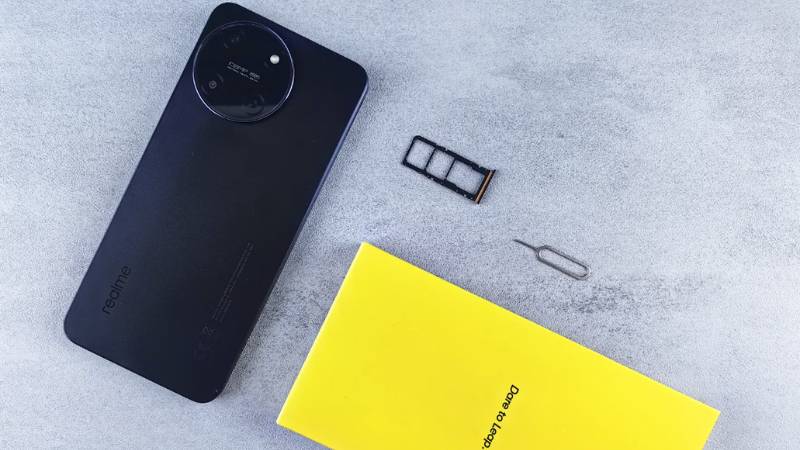
How a 4G SIM Card Works
When you insert a 4G SIM card into a compatible phone, the SIM identifies your account and securely connects your device to your carrier’s network.
Once activated, you can:
- Make and receive phone calls
- Send and receive text messages
- Access mobile data on the 4G LTE network
- Use apps, email, maps, and social media
- Stream music and videos
- Share your connection through a mobile hotspot, if your plan allows
The SIM itself doesn’t determine your internet speed. Performance also depends on your phone, your carrier’s network, your service plan, and local coverage.
4G SIM Card vs 5G SIM Card
For many users, there is little difference in day-to-day use because both types of SIM cards provide access to voice, text, and mobile data services. The biggest difference is network compatibility.
| Feature | 4G SIM Card | 5G SIM Card |
| Network access | 4G LTE | 5G and 4G LTE (depending on carrier) |
| Device requirement | 4G-compatible phone | 5G-compatible phone |
| Coverage | Widely available nationwide | Expanding but not available everywhere |
| Typical data speed | Fast enough for everyday use | Faster where 5G coverage is available |
| Best for | Most everyday users | Users who want the fastest available network |
If you have a 5G phone, many carriers allow you to use it on both 5G and 4G networks depending on coverage. Likewise, a 4G phone will continue using the 4G LTE network even if 5G service is available nearby.
2. Who Should Use a 4G SIM Card?
A SIM card with 4G connection remains an excellent choice for many. Unless you regularly need the fastest possible mobile speeds, 4G LTE is more than capable of handling most everyday tasks.
Budget-Conscious Users
If keeping monthly costs low is your priority, a 4G plan may offer everything you need at a lower price than some premium 5G plans.
A 4G connection can easily support activities such as:
- Web browsing
- Social media
- Video calls
- Music streaming
- HD video streaming
- Online banking
- GPS navigation
For many users, paying extra for 5G may not provide noticeable benefits during everyday use.
Users in Rural or Suburban Areas
While 5G coverage continues to expand, 4G LTE remains the primary network in many rural and suburban communities.
Choosing a 4G SIM card can provide:
- More consistent coverage
- Reliable calling and texting
- Stable mobile data in areas where 5G is still limited
In many locations, a dependable 4G connection may actually provide a better experience than an inconsistent 5G signal.
People With Older or Non-5G Phones
Not everyone needs to upgrade to a new smartphone.
If your current phone supports 4G LTE but not 5G, a 4G SIM card allows you to continue using your device without replacing it.
This can be a practical option for:
- Older smartphones that still perform well
- Budget Android devices
- Basic phones with 4G LTE support
- Users who mainly call, text, and browse the internet
As long as your phone remains compatible with your carrier’s network, there’s no need to upgrade simply to access everyday mobile services.
3. How to Check If Your SIM Card Supports 4G
If you’re unsure whether your current SIM card supports 4G LTE, there are several easy ways to find out before replacing it.
Check Your Phone Settings
Most smartphones display the type of mobile network they’re using.
On Android, open Settings > Network & Internet > SIMs or Mobile Network. On an iPhone, go to Settings > Cellular > Cellular Data Options.
If you see options such as LTE, 4G, or LTE/5G Auto, your phone and SIM likely support 4G service.
Check With Your Carrier
Your carrier can confirm whether your SIM card is compatible with the 4G LTE network.
You can usually check by:
- Logging into your online account
- Using your carrier’s mobile app
- Visiting a retail store
- Contacting customer support
If your SIM is outdated, many carriers can replace it with a newer SIM at little or no cost.
Test Your Mobile Data Connection
A simple speed test can also provide clues about your connection.
Turn off Wi-Fi, enable mobile data, and browse the web or run a speed test. If your phone displays 4G or LTE in the status bar while using mobile data, your device is successfully connected to a 4G LTE network.
If you only see 3G, H, or E, your phone, SIM card, or carrier plan may not currently support 4G service, or 4G coverage may not be available in your area.
Read more: How to Call Without a SIM Card: 5 Methods to Stay Connected
4. Where to Get a 4G SIM Card
Getting a 4G SIM card is relatively easy. Whether you’re activating a new phone, replacing an old SIM, or switching carriers, there are several ways to find one that fits your needs and budget.
Mobile Carriers and Retail Stores
Most major mobile carriers offer 4G SIM cards through their retail stores and authorized dealers.
This option allows you to:
- Activate service immediately
- Transfer your existing phone number
- Get help installing or activating the SIM card
- Compare available plans with a store representative
If you’re unsure whether your phone is compatible, store staff can usually check your device before you purchase a SIM card.
Online SIM Card Providers
Many carriers and mobile virtual network operators (MVNOs) also sell SIM cards online.
Ordering online can be a convenient option if you already know which carrier and plan you want. In many cases, you’ll receive the SIM card by mail along with activation instructions, and some providers allow you to activate service entirely online.
Before ordering, make sure your phone is unlocked or compatible with the carrier’s network.
Free Data Services Through Support Program Providers
If you’re eligible for the federal Lifeline program, you may qualify for free monthly phone service that includes a 4G-compatible SIM card through a participating provider.
As a participating Lifeline provider, AirTalk Wireless offers eligible customers free monthly talk, text, and data plans. Depending on your state and current inventory, you may also qualify for a discounted smartphone.
If you already have a compatible unlocked device, you may be able to activate service with a SIM card instead of purchasing a new phone.
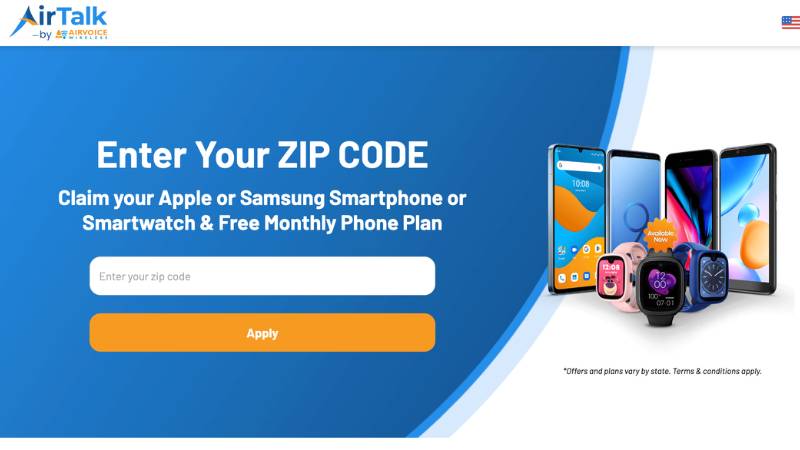
The application typically follows these steps:
- Visit the AirTalk Wireless website and start the application.
- Enter your ZIP code, select “Apply Now,” and choose the Lifeline plan that best fits your needs.
- Choose an available smartphone or tablet if you’re eligible, or continue with a compatible device if supported.
- Confirm your eligibility based on your household income or participation in a qualifying government assistance program, such as Medicaid or SNAP.
- Upload proof of eligibility if additional documentation is required.
- Submit your application and wait for an approval decision.
5. FAQs
Can I use a 4G SIM card in a 5G phone?
Yes. A 5G phone can typically use a 4G SIM card and connect to a 4G LTE network. However, you may need a compatible 5G SIM and plan to access your carrier’s 5G service.
Does a 4G SIM card work in any phone?
A 4G SIM card works only with phones that are compatible with the carrier’s network and support 4G LTE. Your phone may also need to be unlocked if you’re switching carriers.
Can I keep my phone number when getting a new 4G SIM card?
In most cases, yes. Most carriers allow you to transfer, or “port,” your existing phone number when activating a new SIM card.
Do I need a new SIM card to use 4G?
Not always. Many existing SIM cards already support 4G LTE. If your SIM is very old or doesn’t support your carrier’s current network, your carrier may recommend replacing it.
6. Conclusion
A 4G SIM card remains a reliable and affordable way to stay connected for calls, texts, and everyday mobile data.
Whether you’re using an older smartphone, looking for a budget-friendly option, or living in an area where 4G coverage is stronger than 5G, a 4G SIM card can still meet the needs of most users. By choosing a compatible carrier and plan, you can enjoy dependable service without paying for features you may not need.