
Most people don’t know how much mobile data they actually use until they run out or receive a higher bill than expected. That’s why choosing the right data allowance can be more difficult than it seems.
This guide explains how many GB do you need SIM card by comparing common online activities and different usage habits, helping you choose a plan with confidence.
1. How Many GB Do You Need SIM Card for Your Lifestyle?
The right amount of mobile data depends on how you use your phone, not simply how many hours you spend online.
Someone who mostly sends messages and checks email may only need a few gigabytes each month, while streaming videos or using a mobile hotspot regularly can increase data usage much faster.
Here’s a general guide to help you estimate how much data you may need.
1–5 GB Is Enough for Basic Use
A plan with 1 to 5 GB of data is usually enough if you spend most of your time connected to Wi-Fi and use mobile data only for essential tasks.
This amount of data is generally suitable for:
- Browsing websites
- Sending emails
- Using messaging apps
- Checking maps occasionally
- Light social media browsing
If you rarely stream videos or download large files while away from Wi-Fi, this type of plan can easily last an entire month.
10–20 GB Fits Most Everyday Users
For many people, 10 to 20 GB offers the best balance between cost and flexibility. It provides enough data for everyday activities without worrying about running out too quickly.
This range is a good fit if you regularly:
- Scroll social media
- Stream music
- Watch short videos
- Use navigation apps
- Join occasional video calls
Most average smartphone users will find that a plan in this range comfortably covers their monthly needs.
30 GB or More for Heavy Data Users
If your phone is your primary internet connection, you’ll likely need much more data. A plan with 30 GB or more is designed for people who spend several hours online every day using mobile data.
You may benefit from this type of plan if you frequently:
- Stream HD or 4K videos
- Join frequent video meetings
- Download large files
- Play online games
- Work remotely without reliable Wi-Fi
Heavy users can consume dozens of gigabytes each month, making larger data plans a more practical choice.
When Unlimited Data Makes More Sense
Unlimited data may be worth considering if you rarely connect to Wi-Fi or don’t want to monitor your monthly usage.
Instead of worrying about data limits, you can continue using your phone without reducing your online activity near the end of the billing cycle.
However, not all unlimited plans are the same. Some providers reduce data speeds after a certain amount of high-speed data has been used, so it’s important to review the plan details before making a decision.
2. How Much Data Do Popular Online Activities Actually Use?
While actual usage varies depending on your device, app settings, and streaming quality, these estimates provide a good starting point.
Browsing, Messaging, and Social Media
Basic online activities generally use very little data. Checking email, browsing websites, sending messages, and scrolling through social media can often be done with only a few gigabytes each month, especially if you connect to Wi-Fi at home or work.
Apps that automatically play videos, however, can increase data usage much faster than text or image-based browsing.
Music and Video Streaming
Streaming is one of the biggest contributors to mobile data usage.
Music streaming typically uses much less data than video, making it suitable for moderate data plans. Video streaming, on the other hand, can quickly consume several gigabytes depending on the video quality.
Watching HD or 4K content over mobile data can use a significant portion of a monthly data allowance in just a few hours.
Video Calls, Gaming, and Hotspot
Video calls, online gaming, and mobile hotspot usage are among the most data-intensive activities.
Regular video meetings for work or school can add up quickly throughout the month.
Using your phone as a hotspot for a laptop or tablet may consume even more data, particularly if you’re downloading files, attending virtual meetings, or streaming content on another device.
If these activities are part of your daily routine, choosing a larger data plan or an unlimited option may help you avoid running out of high-speed data.
3. What Can Cause You to Use More Data Than Expected?
Many people underestimate how much data they use because not all mobile data is consumed while actively using a phone. Background activity and automatic downloads can quietly use data throughout the day without you noticing.
Understanding these common causes can help you avoid unexpected overages and choose a plan that better matches your actual usage.
Background Apps and Automatic Updates
Many apps continue syncing, refreshing content, or downloading updates even when you’re not actively using them. Cloud backups, photo syncing, and automatic app updates can all consume mobile data in the background.
Limiting background data or restricting updates to Wi-Fi can significantly reduce monthly data usage.
HD Streaming and Large Downloads
Streaming videos in HD or downloading large apps, games, or software updates over mobile data can quickly consume several gigabytes.
Whenever possible, switch these activities to a Wi-Fi connection to preserve your monthly data allowance.
Sharing Data Through Mobile Hotspot
Using your phone as a mobile hotspot often increases data usage much faster than using the phone alone. A laptop or tablet connected through your hotspot may automatically download system updates, sync cloud files, or stream high-quality content without you realizing how much data is being used.
If you frequently rely on hotspot data, consider choosing a plan with a larger data allowance or unlimited high-speed data to avoid running out before the end of the month.
4. How to Choose the Right SIM Data Plan
The best SIM plan isn’t necessarily the one with the most data. Instead, choose a plan that matches how you actually use your phone each month. Paying for more data than you need can waste money, while choosing too little may leave you relying on slower speeds or purchasing extra data before your billing cycle ends.
Review Your Monthly Data Usage
The easiest way to estimate your data needs is to check your phone’s built in data usage report. Both Android and iPhone devices show how much mobile data you’ve used over the past month, giving you a good starting point when comparing plans.
If your usage stays below 5 GB each month, a basic plan may be enough. If you consistently use 15 GB or more, you’ll likely benefit from a larger data allowance or an unlimited plan.
Think About Where You Usually Use Wi-Fi
Your daily routine has a big impact on how much mobile data you need. If you spend most of your time at home, work, or school with reliable Wi-Fi, your cellular data usage may be much lower than you think.
On the other hand, if you commute, travel frequently, or rely on mobile data throughout the day, choosing a plan with a larger data allowance can help you avoid running out before the end of the month.
Leave Room for Future Data Needs
Your data usage today may not be the same six months from now. Starting a new job, traveling more often, using your phone as a hotspot, or streaming more videos can all increase your monthly data consumption.
Choosing a plan with a little extra data provides flexibility and reduces the risk of exceeding your allowance as your needs change.
Read more: How to Save Contacts to SIM Card on iPhone, Android, and Older Phones: 3 Easy Methods
5. Find a Free or Unlimited Mobile Plan That Matches Your Usage
Choosing the right amount of data is only part of the decision. Finding a plan that fits your budget is just as important.
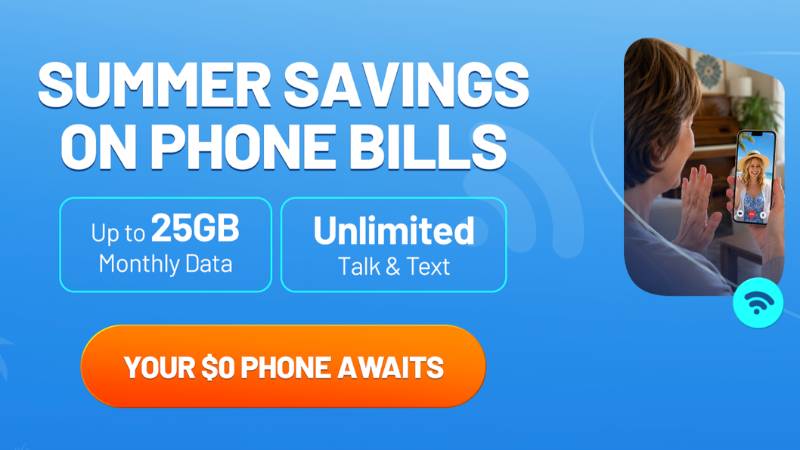
If you qualify for the Lifeline Program through participation in Medicaid, SNAP, SSI, or another eligible assistance program, or based on your household income, you may be able to receive free monthly phone service through AirTalk Wireless.
Depending on your state and eligibility, AirTalk offers free plans with monthly high speed data, unlimited talk and text, and free SIM or eSIM activation. Some plans also include a free or discounted smartphone.
Applying through AirTalk Wireless is simple:
- Visit the AirTalk Wireless website and enter your ZIP code.
- Confirm your eligibility through a qualifying assistance program or household income.
- Review the plans available in your state and choose the one that best matches your data needs.
- Select a free or discounted phone if you’re eligible, or bring your own compatible device.
- Complete your application and upload proof of eligibility if requested.
- Submit your application and wait for approval before activating your SIM or eSIM.
AirTalk plan options vary by state. For example, California customers may qualify for free plans with up to 12 GB or 25 GB of high speed data, while other states offer different data allowances
All Lifeline plans include unlimited talk and text, and eligible customers can upgrade to plans with more high speed data if needed.
6. FAQs
Is 5 GB enough for a month?
It can be enough if you mainly use Wi-Fi and only use mobile data for browsing, messaging, email, navigation, and light social media. If you regularly stream videos or use your phone as a hotspot, you’ll likely need a larger data plan.
Does Wi-Fi usage count toward my mobile data?
No. Activities performed while connected to Wi-Fi don’t use your mobile data allowance. Only data used through your cellular network counts toward your monthly plan.
Can I change my data plan if my needs change?
Yes. Most mobile carriers allow customers to upgrade or downgrade their plans, although the timing and available options vary by provider. Check with your carrier for specific plan change policies.
What happens if I use all of my monthly data?
That depends on your provider. Some carriers reduce your data speeds until your next billing cycle, while others may offer the option to purchase additional high speed data.
7. Conclusion
Knowing how many GB do you need SIM card comes down to understanding your own usage habits rather than choosing the biggest data plan available. Comparing your monthly data usage, where you typically use Wi-Fi, and the activities you do most often will help you find a plan that delivers the right balance of data and value.