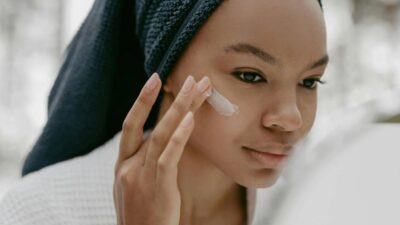
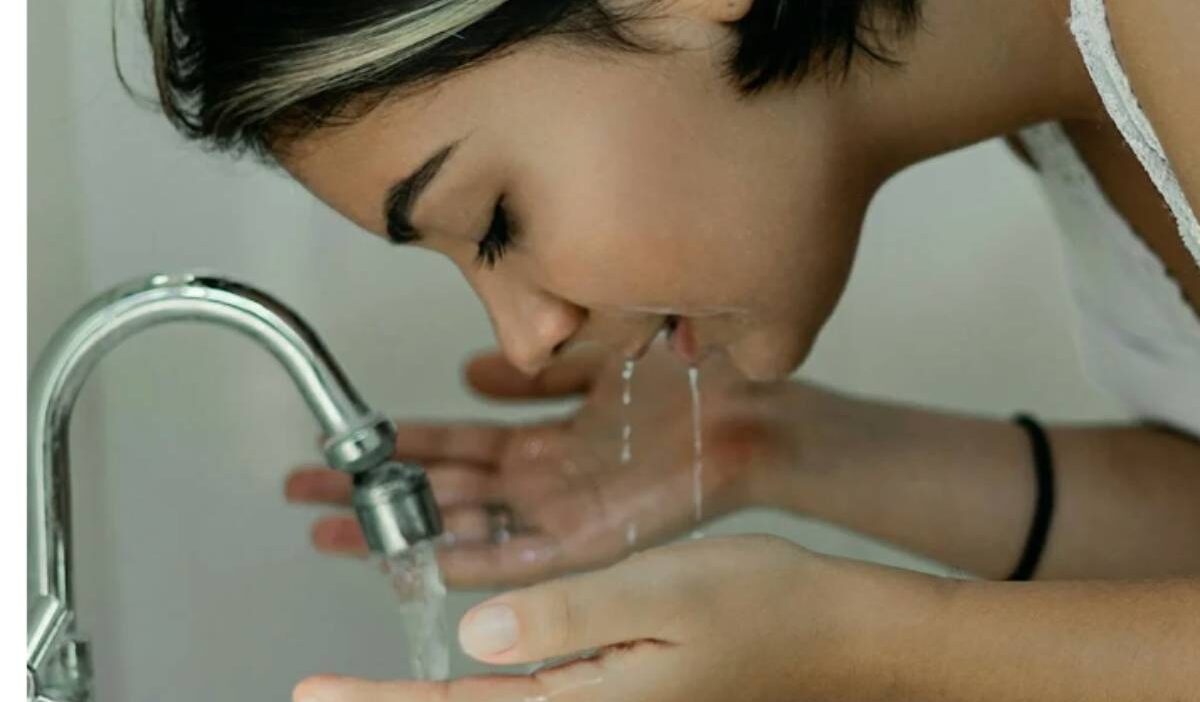
Skin flooding has become a popular approach to hydration, especially for those dealing with dryness or a weakened skin barrier. Instead of relying on a single product, it focuses on layering multiple hydrating steps to help the skin retain more moisture.
So what is skin flooding in practice? It involves applying humectants and moisturizers on damp skin to maximize water retention and support the skin’s barrier. While the method can be effective, it does not work the same for everyone. Understanding how skin flooding works and when to use it helps avoid over-layering or creating a routine that feels too heavy for your skin.
1. What Is Skin Flooding and How Does It Work?
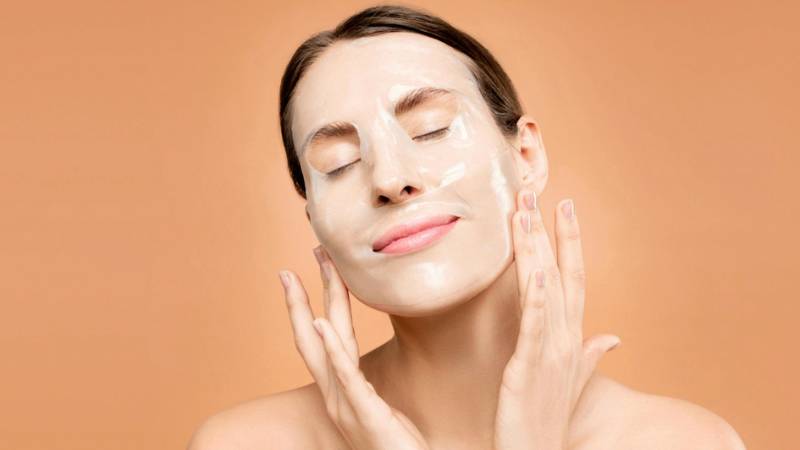
Skin flooding refers to a hydration method that focuses on layering moisture-focused products on damp skin to help retain water more effectively.
Instead of applying a single moisturizer, the process builds hydration in steps, starting with water and following with ingredients that help hold it in place.
So what is skin flooding in practical terms? It usually begins right after cleansing, when the skin is still slightly damp. Lightweight hydrating products such as toners or serums are applied first, followed by a moisturizer to seal everything in.
The idea is to increase the amount of water available on the skin while reducing how quickly it evaporates.
When done correctly, this can help the skin feel more hydrated, softer, and more balanced, especially if it tends to feel tight or dehydrated after cleansing.
2. The Science Behind Skin Flooding
The effectiveness of skin flooding comes from how different types of ingredients interact with water and the skin barrier. Each layer plays a specific role in helping the skin retain moisture rather than losing it quickly.
Humectants and Water Binding
Humectants are ingredients that attract water and help bind it to the skin. Common examples include hyaluronic acid and glycerin.
In skin flooding, humectants are applied early in the routine to draw in moisture from the surface of the skin or the surrounding environment. This increases hydration at a surface level and helps the skin appear more plump.
Occlusives and Barrier Protection
Occlusives are used to seal moisture in place. These ingredients form a protective layer on the skin that slows down water loss.
After applying hydrating products, a moisturizer containing occlusive ingredients helps lock in the hydration created in the earlier steps. Without this layer, the added moisture can evaporate more quickly.
Why Damp Skin Matters?
Applying products to damp skin is a key part of skin flooding. When the skin is slightly wet, there is more water available for humectants to bind.
This helps improve how effectively hydrating ingredients work. On completely dry skin, humectants may not perform as well because there is less moisture to attract and retain.
Keeping the skin lightly damp allows the routine to build hydration more efficiently without needing heavier layers.
3. Who Can Benefit Most From Skin Flooding?
Skin flooding is not necessary for every routine, but it can be helpful for certain skin conditions where hydration is harder to maintain. Understanding what is skin flooding and who it suits best can help you decide whether it adds value to your routine or feels excessive.
Dry or Dehydrated Skin
Dry or dehydrated skin often lacks water, which can lead to tightness, flaking, or a dull appearance. In these cases, layering hydration on damp skin can help increase moisture levels more effectively than using a single product.
Skin flooding works well here because it focuses on both adding and retaining water, which helps the skin feel more comfortable throughout the day.
Compromised Skin Barrier
When the skin barrier is weakened, it loses moisture more quickly and becomes more prone to irritation. This can happen due to over-exfoliation, harsh products, or environmental stress.
Layering gentle hydrating products can help support the barrier by reducing water loss and improving overall balance. The key is to keep the routine simple and avoid adding too many active ingredients at once.
Mature Skin
Mature skin tends to lose moisture more easily over time. This can make fine lines more noticeable and affect how smooth the skin looks.
Skin flooding can help maintain hydration levels, which supports a softer, more even-looking surface. While it does not replace other treatments, it can improve how the skin feels and how products sit on top.
Post-Exfoliation Recovery
After exfoliation, the skin may feel more sensitive or slightly dry. This is because the outer layer has been disrupted, even when the process is gentle.
Applying hydration in layers can help restore balance and reduce the tight or uncomfortable feeling that sometimes follows exfoliation. It can also support recovery without adding unnecessary heaviness.
4. When Skin Flooding May Not Be Ideal?
While skin flooding can be effective, it is not always the best approach for every skin type or situation. Layering too many products can sometimes feel heavy, especially for those with oily or congestion-prone skin.
In humid climates, the added layers may not absorb as well and can leave the skin feeling sticky or overly hydrated. This can affect how comfortable the routine feels throughout the day.
It is also important to consider product compatibility. Using too many formulas at once can increase the chance of pilling or irritation, particularly if active ingredients are included.
For these reasons, skin flooding works best when adjusted to your skin’s needs rather than applied as a fixed routine.
Read more: Is Retinol Good for Dark Spots? What It Really Does for Hyperpigmentation
5. How to Try Skin Flooding Safely?
Trying this method does not require a complex routine, but the order and texture of products matter. What is skin flooding in practice comes down to layering hydration in a way that feels balanced rather than heavy.
The focus should be on adding moisture gradually and adjusting based on how your skin responds.
Start With Clean, Damp Skin
After cleansing, leave the skin slightly damp instead of fully drying it. This creates a base of water that hydrating ingredients can bind to more effectively.
Applying products to completely dry skin may reduce how well they perform, especially in a hydration-focused routine.
Apply Lightweight Hydrating Serum
A lightweight serum with humectants helps draw moisture into the skin. This step builds the first layer of hydration without adding weight.
Choosing a formula that absorbs easily helps prevent the routine from feeling too heavy as you layer additional products.
Seal With Moisturizer
Moisturizer helps lock in the hydration added in earlier steps. Without this layer, water can evaporate more quickly from the skin.
A balanced moisturizer works best, as overly heavy formulas may feel uncomfortable depending on your skin type.
Adjust Based on Skin Type
Not every skin type needs the same level of layering. Dry skin may benefit from more steps, while oily or combination skin may need fewer layers to avoid buildup.
Paying attention to how your skin feels after application helps you adjust the routine over time.
6. Skin Flooding vs Traditional Hydration Routine
A traditional hydration routine often relies on a single moisturizer or serum to maintain balance. Skin flooding, by comparison, focuses on layering multiple lightweight steps to increase overall hydration.
The difference lies in how moisture is delivered and retained. Traditional routines are usually simpler and may feel lighter, while skin flooding aims to maximize hydration by combining humectants and occlusives in sequence.
Neither approach is universally better. What is skin flooding useful for depends on how much hydration your skin needs and how well it responds to layered products.
7. FAQs
Is skin flooding suitable for oily skin?
Skin flooding can work for oily skin if the layers are kept lightweight. Using too many heavy products may lead to a greasy or congested feeling.
How often should you use skin flooding?
It can be used daily or as needed, depending on how dry or dehydrated the skin feels. Some people prefer using it only when the skin needs extra hydration.
What is skin flooding and can it replace a moisturizer?
What is skin flooding in this case refers to layering hydration, but it does not replace moisturizer. A sealing layer is still needed to help retain that moisture.
Conclusion
What is skin flooding ultimately comes down to a method of layering hydration in a more intentional way. By combining water, humectants, and a sealing layer, the routine aims to help the skin retain moisture more effectively.
When adjusted to your skin type, it can improve how hydrated and comfortable the skin feels. The key is to keep the routine balanced rather than adding more steps than necessary.
Follow 456 Skin for expert-backed skincare insights and practical tips you can trust.