
As skin matures, foundation can behave differently than it once did. Products that used to blend smoothly may start to settle into fine lines, cling to dry areas, or look heavier on the skin.
The best foundation for mature skin focuses on creating a smooth, even finish without emphasizing texture. Instead of full coverage that masks the skin, the goal is to enhance radiance while keeping the result natural and comfortable throughout the day.
1. What Makes the Best Foundation for Mature Skin?
The best foundation for mature skin is less about covering everything and more about how it sits on the skin throughout the day. As texture and fine lines become more visible, heavier formulas tend to settle and draw attention to those areas rather than smoothing them out.
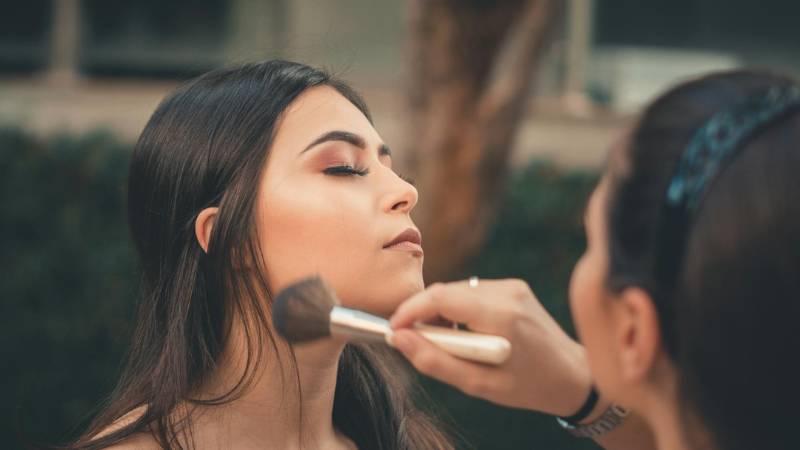
A good foundation in this category usually has a lightweight, flexible texture that moves naturally with the skin. It should even out tone without building up in lines or clinging to dry patches. This often means choosing formulas that offer medium or buildable coverage instead of full, opaque coverage.
Hydration also plays a key role. Foundations that include moisture-supporting ingredients tend to blend more smoothly and maintain a softer finish over time. When the skin stays hydrated, the surface looks more even, and the product is less likely to break apart.
Another factor is how the foundation fades. Instead of separating or becoming patchy, the best formulas wear down gradually, keeping the skin looking balanced even after several hours.
2. Foundation Finishes That Flatter Mature Skin
Finish can make a noticeable difference in how foundation looks on mature skin. The same formula can appear more natural or more textured depending on how it reflects light.
Satin Finish
A satin finish sits between matte and dewy. It provides a soft, natural look that mimics the skin’s own texture without adding too much shine.
This type of finish is often considered one of the most forgiving options for mature skin. It smooths the appearance of uneven areas while avoiding the flatness of a full matte look.
Soft Radiant Finish
Soft radiant finishes add a subtle glow that helps the skin look more refreshed. Light reflection can make fine lines and texture appear less defined, especially in natural lighting.
The key is keeping the glow controlled. A gentle radiance tends to enhance the skin, while too much shine can highlight areas you may want to soften.
Why Full Matte Can Emphasize Lines?
Full matte foundations can sometimes make mature skin look drier than it is. Without any light reflection, fine lines and texture may become more noticeable.
These formulas can also settle more easily into creases, especially if the skin lacks hydration underneath. While matte finishes can work in certain cases, they often require more careful preparation and application.
When Dewy Looks Too Greasy?
Dewy finishes can look fresh at first, but on some skin types, they may become overly shiny throughout the day. This is more likely if the skin already produces some oil or if the formula is very emollient.
In these cases, the finish can shift from radiant to greasy, making texture more visible rather than less. A balanced, soft-radiant finish is often easier to maintain over time.
Read more: Can Sunscreen Make Your Skin Lighter? What It Really Does to Your Skin Tone
3. Best Foundation for Mature Skin Based on Skin Type
Mature skin does not follow a single pattern. Some people experience more dryness, while others still deal with combination areas, sensitivity, or uneven tone. The best foundation for mature skin depends on how these factors show up on your skin throughout the day.
A formula that works well for one skin type may highlight texture on another, so adjusting based on your specific concern makes a noticeable difference in the final result.
For Dry Mature Skin
Dry mature skin often shows fine lines more clearly, especially when foundation clings to dehydrated areas. A hydrating formula with a soft or radiant finish tends to work best here.
Lightweight liquid foundations that include moisture-supporting ingredients can help the product blend more smoothly. Instead of sitting on the surface, the foundation moves more naturally with the skin.
Heavier or matte formulas are more likely to emphasize dryness, making the skin look less even over time.
For Combination Skin
Combination mature skin requires balance between hydration and oil control. Some areas, like the cheeks, may need more moisture, while the T-zone may become slightly oily.
The best foundation for mature skin in this case is usually a flexible formula that does not lean too matte or too dewy. A satin or soft-radiant finish often works well because it adapts better to different areas of the face.
Applying less product in oil-prone areas and slightly more where the skin is drier can also help maintain a more even result.
For Mature Skin With Age Spots
When age spots or uneven pigmentation are a concern, full coverage is not always the best solution. Thick layers can settle into fine lines and make texture more noticeable.
A better approach is a buildable foundation that allows you to add coverage only where needed. This keeps the overall finish lighter while still evening out specific areas.
Using targeted coverage rather than a full layer across the face helps maintain a more natural look.
For Sensitive Mature Skin
Sensitive mature skin needs formulas that are both gentle and comfortable to wear. Irritation can make redness or texture more visible, which affects how foundation looks on the skin.
Lightweight, fragrance-free foundations are often a safer option. A formula that blends easily without requiring excessive rubbing can also reduce the risk of irritation.
In this case, simplicity tends to work better than layering multiple heavy products.
4. Ingredients That Help Mature Skin Look Smoother
The best foundation for mature skin often includes ingredients that support hydration and improve how light reflects on the surface. These elements do not remove texture, but they can make the skin appear softer and more even.
Hyaluronic Acid
Hyaluronic acid helps draw moisture into the skin, which can create a subtle plumping effect. This makes fine lines appear less pronounced and allows foundation to sit more smoothly.
When the skin is better hydrated, the overall finish tends to look more even and less textured.
Glycerin
Glycerin works as a humectant, helping the skin retain moisture throughout the day. It supports comfort and prevents the foundation from drying out or cracking as it wears.
This helps maintain a smoother appearance, especially in areas where the skin tends to lose hydration more quickly.
Peptides
Peptides are often included for their ability to support the skin’s structure over time. In a foundation, they contribute to a smoother-looking surface and can help improve the overall feel of the product on the skin.
While the effects are gradual, they add an extra layer of support to formulas designed for mature skin.
Light-Reflecting Pigments
Light-reflecting pigments help diffuse light across the skin, which softens the appearance of fine lines and uneven texture.
Instead of adding visible shimmer, they create a subtle blur effect that makes the skin look more refined. This is why many foundations for mature skin avoid flat matte finishes in favor of softer, light-reflecting ones.
5. How to Apply Foundation on Mature Skin for a Natural Look?
Application plays a major role in how the best foundation for mature skin actually looks once it is on. Even a well-formulated product can settle into lines if it is applied too heavily or without proper preparation.
The goal is to keep the finish light, flexible, and close to the skin rather than building a thick layer.
Prep With Hydrating Skincare
Hydration underneath foundation helps create a smoother surface. Lightweight moisturizers or serums can reduce the appearance of dryness, which makes foundation easier to blend.
When the skin is properly prepped, the product is less likely to cling to fine lines or uneven areas.
Use Thin Layers
Applying foundation in thin layers allows better control over coverage. Instead of applying a full layer at once, building gradually helps maintain a more natural finish.
This also prevents the product from settling into lines or looking heavy.
Press Instead of Drag
Pressing foundation into the skin, rather than dragging it across the surface, helps it sit more evenly. Dragging can move the skin and emphasize texture, especially in areas with fine lines.
A gentle pressing motion creates a smoother, more blended result.
Avoid Heavy Powder
Using too much powder can make mature skin look dry and flat. It can also settle into fine lines and make them more visible.
If setting is needed, applying a small amount only to specific areas helps maintain a more natural finish.
6. FAQs
What is the best foundation for mature skin?
The best foundation for mature skin is typically one that offers lightweight, buildable coverage with a hydrating or satin finish. Formulas that smooth without settling into fine lines tend to create a more natural result.
Should mature skin use liquid or powder foundation?
Liquid foundations are usually more suitable because they provide flexibility and hydration. Powder foundations can sometimes emphasize dryness and fine lines if not used carefully.
How do you keep foundation from settling into wrinkles?
Using thin layers, proper hydration, and minimal powder can help reduce settling. The best foundation for mature skin also tends to have a more flexible texture that moves naturally with the skin.
What type of finish is best for mature skin?
Soft radiant or satin finishes are often more flattering because they reflect light gently. Fully matte finishes can make texture more visible, while overly dewy formulas may look too shiny over time.
Conclusion
The best foundation for mature skin works when the formula and application come together to support the skin rather than cover it. Lightweight textures, balanced finishes, and careful layering all contribute to a smoother, more natural result.
Small adjustments in technique can make a noticeable difference, helping the foundation wear more evenly without emphasizing fine lines or texture.
Follow 456 Skin for expert-backed skincare insights and practical tips you can trust.