The moment that prickly, burning itch starts, most people immediately search for how to get fiberglass out of skin.
Fiberglass fibers are extremely fine shards of glass that can cling to clothing and embed into the surface of your skin after handling insulation or construction materials.
Because they are so small, they often cause intense irritation without being clearly visible. Acting quickly and using the right removal steps makes a major difference.
Understanding how to get fiberglass out of your skin safely helps reduce redness, prevent deeper penetration, and ease discomfort before it becomes more severe.
1. Why Fiberglass Gets Stuck in Skin
Fiberglass is made of extremely fine glass fibers that are thin, sharp, and lightweight. When these fibers come into contact with exposed skin, they can easily penetrate the outer layer.
Unlike a large splinter, fiberglass strands are often microscopic, which makes them harder to see but just as irritating.
The reason fiberglass causes discomfort is mechanical irritation. The tiny glass fragments lodge in the superficial layer of the skin and create a prickling or burning sensation. Friction from clothing or scratching can push the fibers deeper, making removal more difficult.
Because the fibers are small and lightweight, they can cling to skin through static electricity or become airborne during handling. That is why exposure often affects areas like hands, wrists, forearms, neck, or face.
Understanding how these fibers behave is the first step in learning how to get fiberglass out of skin effectively and safely.
2. How to Get Fiberglass Out of Skin Safely: Step-by-step guide
If you are wondering how to get fiberglass out of your skin, the most important rule is to avoid rubbing or scratching. Friction can break the fibers into smaller pieces or push them further into the skin. Acting calmly and following proper removal steps reduces irritation and speeds recovery.
Step 1: Rinse With Cool Running Water
The first step in how to get fiberglass out of skin is rinsing the affected area under cool running water. Let the water flow gently over the skin for several minutes.
Cool water helps:
- Wash away loose surface fibers
- Reduce inflammation
- Prevent additional penetration
Avoid hot water at this stage, as it can open pores and potentially allow fibers to settle deeper.
Step 2: Use Mild Soap Gently
After rinsing, apply a mild, fragrance-free soap and gently wash the area using your hands. Do not scrub with a washcloth or sponge.
Gentle cleansing helps remove fibers that are still resting on the surface. When learning how to get fiberglass out of your skin, it is important to remember that scrubbing can worsen irritation and cause more redness.
Rinse thoroughly after washing.
Step 3: Use Adhesive Tape for Surface Fibers
For fibers that remain embedded on the surface, adhesive tape can be effective. Lightly press a strip of tape against the affected area and lift it away. Repeat with fresh strips as needed.
This method works well for small, superficial strands. It is especially useful when dealing with how to get fiberglass out of skin after insulation work, where microfibers may cling to the surface.
Avoid pressing too firmly, as excessive pressure can push fibers deeper.
Step 4: Use Tweezers for Visible Splinters
If you can clearly see larger fiberglass splinters protruding from the skin, clean a pair of tweezers with alcohol and carefully remove them.
Grip the exposed end and pull it out in the same direction it entered. Do not dig into the skin or attempt to remove fibers that are not clearly visible.
After removal, rinse the area again and gently pat dry. If irritation persists or signs of infection develop, such as swelling or pus, seek medical advice.
Following these steps helps ensure you know how to get mircro fiberglass out of skin safely while minimizing additional irritation or damage.
>>>Read more: How to Get Nail Glue Off Skin: Safe and Effective Ways to Remove It at Home
3. How to Soothe Skin After Fiberglass Exposure
Even after you remove visible fibers, the skin may continue to feel itchy or irritated for several hours. Once you understand how to get fiberglass out of skin naturally, the next step is calming inflammation and supporting skin recovery.
First, avoid scratching. Scratching can break the skin barrier and increase the risk of secondary irritation. Instead, apply a cool compress for 10 to 15 minutes to reduce redness and discomfort.
For mild irritation, soothing ingredients can help:
- Aloe vera gel to calm inflammation
- Colloidal oatmeal creams to relieve itching
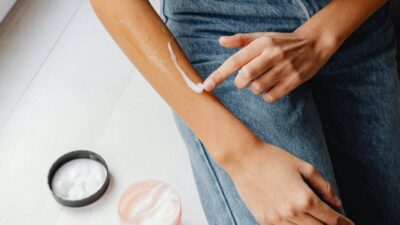
- Fragrance-free moisturizers to restore the barrier
If you prefer a more natural approach to removing fiberglass from skin, gentle rinsing followed by pure aloe vera and loose, breathable clothing can help the skin recover. Avoid heavy occlusive creams immediately after exposure, as they may trap any remaining microfibers.
For those dealing with very fine particles and wondering how to get microfiberglass out of skin, repeating the rinse-and-tape method once more before applying soothing products can help ensure the surface is clear.
If irritation persists beyond 24 to 48 hours, or if swelling and severe redness develop, medical evaluation may be necessary.
>>>Read more: How to Get Super Glue Off Skin: Safe Removal Methods That Actually Work
4. Conclusion
Fiberglass exposure often causes intense itching and irritation, but symptoms usually improve once the fibers are properly removed.
Acting quickly with cool water, gentle cleansing, and careful surface removal helps prevent strands from embedding deeper into the skin. Soothing the area afterward and avoiding scratching supports faster recovery and reduces the risk of further irritation.
When dealing with insulation materials, proper steps for how to get fiberglass out of skin and how to get fiberglass insulation out of skin are essential to protect the skin barrier and prevent lingering discomfort.
Follow 456 Skin for expert-backed skincare insights and practical tips you can trust.
5. FAQs
How to get fiberglass insulation out of skin safely?
Rinse the area with cool water, wash gently with mild soap, use adhesive tape for surface fibers, and remove visible splinters with clean tweezers. Avoid scrubbing or scratching.
How long does fiberglass irritation last?
Mild irritation usually improves within a few hours after proper removal. Persistent redness or swelling may require medical attention.
Can fiberglass stay in your skin permanently?
Superficial fibers typically work their way out or are removed with proper care. Deep or embedded fragments that cause ongoing symptoms should be evaluated by a healthcare professional.
Is it safe to shower after fiberglass exposure?
Yes, but use cool or lukewarm water and avoid scrubbing. Gentle rinsing helps remove remaining surface fibers without worsening irritation.