

A colorful magazine can draw a child into reading more easily than another worksheet or textbook. The right free magazines for kids can support that interest with content suited to the child’s age, reading level, and favorite subjects.
However, not every free offer provides complete issues or uses a parent-friendly sign-up process. Families should know what access requires, who supplies the publication, and what personal information may be collected before registering.
1. What Free Magazines for Kids Can Families Find?
Free magazines for kids cover different interests and reading levels, from simple stories for preschoolers to science and current events for older children.
Popular categories include:
- Early learning: Letters, numbers, short stories, and colorful illustrations for preschoolers.
- Science and nature: Space, animals, wildlife, experiments, and environmental topics.
- Stories and activities: Fiction, comics, puzzles, coloring pages, and creative writing.
- News and history: Age-appropriate current events, geography, historical figures, and world cultures.
- Arts and technology: Drawing, crafts, coding, photography, and other creative hobbies.
Many of these magazines are available through libraries, schools, publishers, and educational organizations, although free access varies by publication.
2. Where to Find Free Children’s Magazines
The most dependable sources are organizations that already serve families, students, or young readers. Availability varies by location, so check both local services and national organizations.
Public Libraries and Digital Library Apps
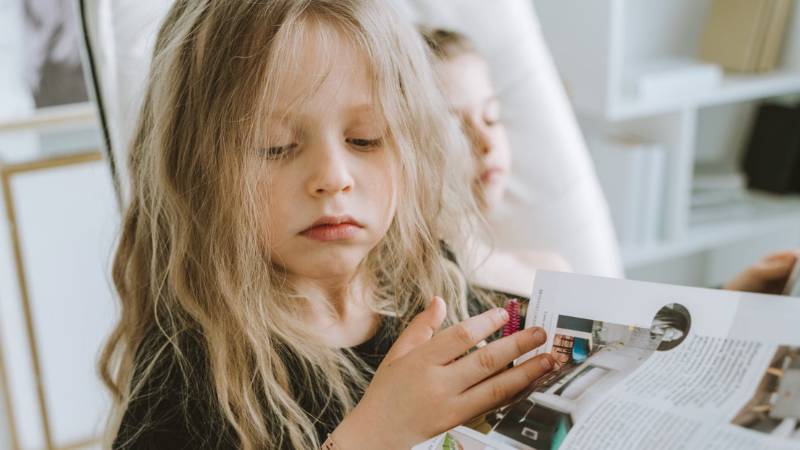
Start with the children’s section of a public library. Libraries may provide print copies for on-site reading, lend older issues, or give cardholders access to full digital editions.
For example, Fairfax County Public Library reports offering thousands of digital titles through its magazine services, including publications for children.
Ask a librarian which app or database the local system uses, since a general web search may not show resources included with your card.
Schools and Educational Organizations
School libraries, classrooms, after-school programs, and literacy organizations may purchase magazines for group use.
Teachers sometimes send issues home after classroom sets are replaced. Parents can ask whether back issues, student editions, or digital access codes are available.
Publishers and Promotional Programs
Some publishers provide sample issues, classroom downloads, temporary digital access, or introductory print offers.
Use the publisher’s official website and read the terms before entering a mailing address. A sample issue is different from a continuing free subscription, and a trial may later become paid.
Museums, Clubs, and Nonprofits
Science museums, wildlife groups, reading clubs, youth programs, and community nonprofits may distribute newsletters or magazine-style publications.
Access may be tied to an event, educational program, membership, or local campaign. Confirm that the material is designed for the child’s age and that the organization explains how it uses registration information.
3. How to Get Free Kids’ Magazines by Mail
Free print subscriptions are less common than digital magazines, but families can still find sample issues and sponsored offers through publishers, schools, and nonprofit organizations.
Here’s how to request free magazines for kids by mail:
- Find trusted sources: Check magazine publishers, libraries, schools, and literacy organizations for free print offers.
- Choose age-appropriate magazines: Look for topics that match your child’s interests and reading level, such as science, stories, or puzzles.
- Confirm mail delivery: Make sure the offer includes physical magazines rather than digital issues or email newsletters.
- Check eligibility and costs: Review location restrictions, shipping fees, trial periods, and automatic renewal terms before signing up.
- Submit the request: Use a parent’s contact information, provide only necessary details, and save the confirmation for future reference.
Once the magazines arrive, check that the content suits your child’s age and interests.
>>> Read more: Things to Do With Kids Near Me: 25+ Fun Family Activities
4. Where Children Can Read Magazines Online for Free
Children can read magazines online for free through libraries, schools, and educational websites. Some platforms offer complete digital issues, while others provide selected articles or sample editions.
Here are some places worth checking:
- Public libraries: Many offer free access to digital magazines through their websites or partnered reading apps. A library card is usually required.
- School libraries: Students may access age-appropriate magazines and educational publications through their school’s digital portal.
- Magazine publishers: Some children’s magazine websites provide free sample issues, articles, or interactive activities.
- Museums and educational organizations: Their websites may feature free reading materials covering science, wildlife, history, and art.
- Nonprofit organizations: Some publish free digital magazines or educational resources focused on nature, health, and literacy.
Always check whether the platform offers full magazines or selected content, and confirm any subscription terms before signing up.
5. How to Choose Age-Appropriate Magazines for Kids
When choosing free magazines for kids, consider their reading level, interests, and maturity rather than relying solely on age recommendations.
Here’s what to look for by age group:
- Preschoolers and early readers (ages 3–5)
Choose magazines with colorful illustrations, simple words, short stories, and interactive activities. Topics like animals, colors, and counting work well for young children.
- Elementary school children (ages 6–10)
Look for engaging articles, comics, puzzles, and hands-on activities. Science, nature, and creative projects can appeal to different interests and reading abilities.
- Tweens and young teens (ages 11–14)
Consider magazines covering technology, current events, sports, culture, and creative writing. Review sensitive topics and advertising to ensure the content is appropriate.
Before subscribing, preview a recent issue to check its reading difficulty, overall content, and suitability for your child.
6. What Parents Should Check Before Signing Up
Before signing up for free magazines for kids, parents should review the publisher’s credibility, privacy practices, and subscription terms to avoid unexpected costs or unsafe content.
Use this checklist:
- Publisher credibility: Choose established publishers or trusted educational organizations.
- Privacy and personal information: Review what data is collected and avoid sharing unnecessary details about your child.
- Parental consent: Under U.S. children’s privacy rules, covered online services generally need parental consent before collecting personal information from children under 13. See the FTC’s guidance.
- Subscription costs: Check for shipping fees, free trials, automatic renewals, and cancellation requirements.
- Advertising and external links: Make sure promotional content is identifiable and review links to outside websites or apps.
- Online safety features: Check whether digital magazines allow unrestricted browsing, messaging, or in-app purchases.
>>> Read more: Free Stuff for Toddlers by Mail: 11 Legit Ways to Get Samples and Gifts
7. FAQs
Who gives out free magazines?
Public libraries, schools, magazine publishers, nonprofits, and educational organizations may offer free magazines for kids. Some provide printed copies or complimentary subscriptions, while others offer free digital issues. Availability depends on the organization, location, and current promotions.
Where can I find free magazines?
You can find free magazines at public libraries, school libraries, publisher websites, and nonprofit reading programs. For online access, check your library’s digital magazine collection. Some publishers also offer free sample issues or articles without requiring a subscription.
What are some free catalogs for kids?
Free catalogs for kids may be available from LEGO, toy retailers, bookstores, and educational suppliers. These catalogs often feature toys, books, crafts, or learning activities. Check official websites for current free digital editions or mailed catalog offers.
8. Conclusion
Libraries and school resources are dependable places to begin, while publishers, museums, and nonprofits may provide additional print or online choices. The best publication should fit the child’s reading level, interests, and maturity without requesting unnecessary information.
Before registering for free magazines for kids, parents should review the content, privacy terms, advertising, delivery costs, and renewal conditions. Adult oversight keeps the reading experience useful without creating unwanted charges or privacy concerns.