
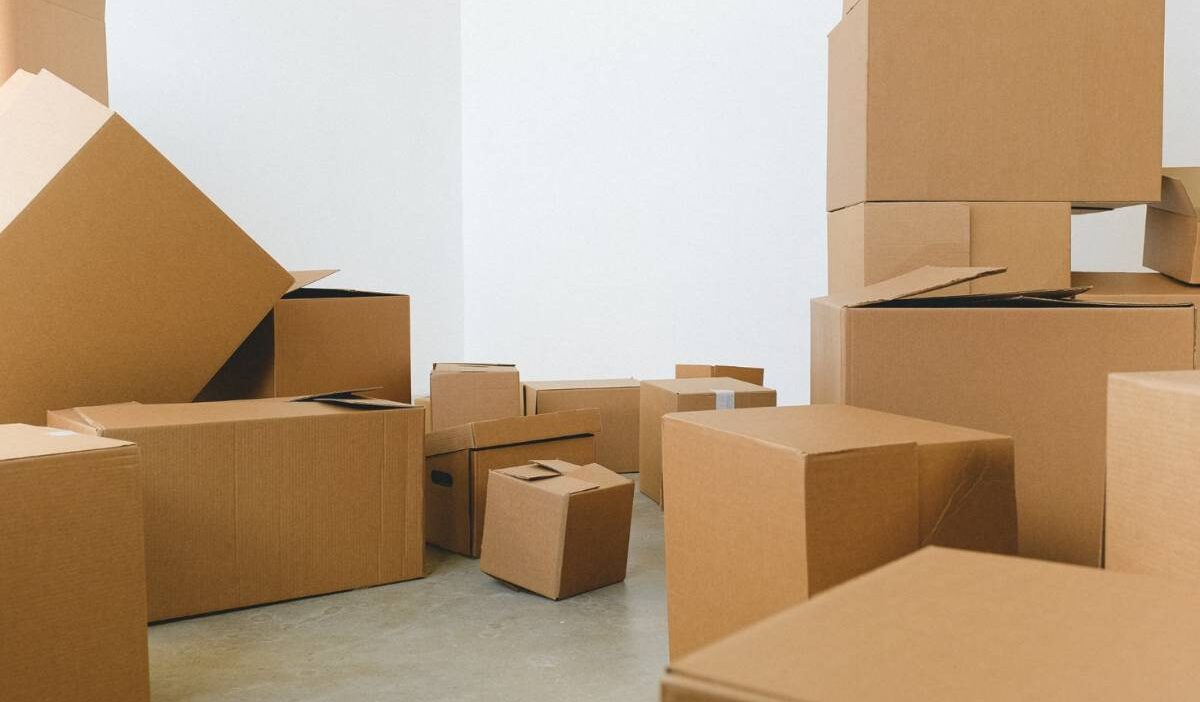
Packing an entire home can become expensive before the move even begins, especially when every carton is purchased new. Finding free moving boxes can lower that cost, but not every used box is strong or clean enough to protect your belongings.
The best approach is to collect boxes early, choose sizes based on what you are packing, and inspect each carton before taking it home. This article covers 12 practical sources, faster local search methods, and the safety checks to complete before moving day.
1. Where Can You Get Free Moving Boxes?
Retailers and local groups often have cartons that would otherwise be flattened for recycling. The U.S. Environmental Protection Agency also encourages the reuse of boxes and other packing materials before recycling them.
If you are deciding where to get free moving boxes, ask before taking anything and arrange collection around each business’s delivery schedule.
| Source | Boxes You May Find | Best Time to Ask | What to Check |
| Grocery stores | Produce, beverage, and packaged-food boxes | Early morning or after stocking | Moisture, food residue, and ventilation holes |
| Liquor stores | Small, strong divided boxes | Weekday mornings | Bottle dividers, stains, and reinforced bottoms |
| Bookstores | Compact cartons built for dense products | After deliveries | Weight capacity and crushed corners |
| Office supply stores | Paper and equipment boxes | After weekday restocking | Lids, handles, and bottom strength |
| Pharmacies | Small and medium product cartons | Quiet weekday hours | Medicine residue and removed labels |
| Restaurants | Ingredient and beverage boxes | Between meal periods | Grease, odors, moisture, and pests |
| Apartment complexes | Moving cartons left by residents | Around month-end | Permission and overall condition |
| Recycling centers | Flattened shipping cartons | After asking staff | Local rules, contamination, and water damage |
| Local businesses | Mixed shipping boxes | Shortly after deliveries | Size consistency and previous contents |
| Moving companies | Used moving cartons or exchange boxes | Weekdays | Availability, tape damage, and structure |
| Buy Nothing groups | Mixed moving and delivery boxes | Two to four weeks before moving | Pickup location and seller description |
| Online marketplaces | Bundles from recent movers | Evenings or weekends | Quantity, cleanliness, and travel distance |
Avoid boxes that carried raw food, chemicals, leaking products, or strongly scented goods.
2. How to Find Free Moving Boxes Near Me Quickly
Finding moving boxes near me for free is easier when you know where to search and how to arrange pickup. Follow these simple steps:
- Estimate how many boxes you need: Consider the number of rooms you’re packing and choose different box sizes for heavy or bulky items.
- Search local listings: Check Facebook Marketplace, Buy Nothing groups, Craigslist, and neighborhood communities for free moving boxes nearby.
- Contact local stores: Ask grocery stores, bookstores, and retail shops whether they have spare boxes and when you can collect them.
- Arrange pickup: Confirm the quantity, box sizes, and pickup location before heading out.
- Inspect the boxes: Avoid damaged, damp, or dirty cartons. Flatten and store usable boxes in a dry place until moving day.
3. Which Free Boxes Work Best for Different Items?
Not all free moving boxes are suitable for every item. Choose smaller boxes for heavy belongings and larger ones for lightweight items.
| Box Type | Best Used For |
| Small boxes | Books, canned goods, tools, and small appliances |
| Medium boxes | Kitchenware, toys, decorations, and folded clothing |
| Large boxes | Bedding, pillows, towels, and other lightweight items |
| Produce and liquor boxes | Durable kitchen supplies, bottles, and small fragile items |
| Specialty boxes | Hanging clothes, electronics, and other items needing extra protection |
Before packing, inspect each box for moisture damage, weak bottoms, stains, or tears. Reinforce the bottom with packing tape and avoid overloading used cartons, especially when packing heavy or fragile belongings.
>>> Helpful blog: Free Thanksgiving Dinner Near Me: 3 Local Places to Check
4. Are Free Moving Boxes Safe to Use?
Used boxes can be safe when they are clean, dry, and still structurally sound. Inspect every carton before placing belongings inside.
Check the condition:
- Cardboard is completely dry.
- Panels have no tears, punctures, or soft areas.
- Corners are not crushed.
- Bottom flaps close firmly.
- The box holds its shape when lifted.
- Handles and seams remain intact.
Avoid boxes that previously held:
- Chemicals, pesticides, or automotive products
- Cleaning products that leaked
- Raw meat, seafood, or wet produce
- Food with grease or strong odors
- Broken glass or damaged merchandise
- Items that may have introduced insects
Prepare each used box before moving:
- Remove or cover old shipping labels and barcodes.
- Reinforce the bottom seam with packing tape.
- Sort boxes by size and condition.
- Reserve the strongest cartons for heavier items.
- Line boxes used for delicate belongings.
- Keep prepared cartons in a dry indoor area.
The EPA recommends reusing boxes and packing materials when practical. After the move, pass usable cartons to another household or flatten them for recycling.
5. How to Ask Local Stores for Free Moving Boxes
Call or visit during a quiet period and ask a manager or stocking employee when deliveries are unpacked. A simple request is enough: “Do you have any clean cardboard boxes I could collect for an upcoming move?”
When asking where to get moving boxes for free, mention the approximate quantity and sizes you need. Offer to collect them at the time chosen by the store, since staff may flatten cartons shortly after stocking.
Do not take boxes from loading areas, recycling containers, or behind a business without permission. Thank the employee, arrive within the agreed pickup window, and inspect the cartons before leaving.
6. Tips for Getting Enough Free Moving Boxes
A single store may not produce every size you need, so use several sources and collect boxes over time.
- Start early: Begin two to four weeks before moving day. This provides time to reject unsuitable cartons without creating a last-minute shortage.
- Take different sizes: Use small boxes for dense items, medium boxes for general belongings, and large boxes for lightweight textiles.
- Pick up regularly: Store and community availability changes quickly. Schedule several small collections rather than waiting for one large supply.
- Track your total: Flatten accepted boxes and count them by size to avoid gathering more than you can store.
- Combine boxes with household packing materials: Use towels, blankets, clothing, and clean linens to cushion suitable items.
- Buy specialty boxes only when needed: Mirrors, televisions, artwork, dishes, and wardrobes may need purpose-built protection.
- Keep extra small boxes: They are useful for books, pantry items, tools, and last-minute objects.
>>> Read more: Places to Get Free Stuff on Your Birthday: 30+ Best Birthday Freebies
7. FAQs
Can I get free moving boxes from USPS?
USPS provides certain boxes at no charge for use with the mailing service printed on them, such as Priority Mail. These boxes are not intended as general moving supplies and should not be taken for a household move unless they will be used with the required postage service.
Where can I get free carton boxes for moving?
Ask grocery stores, liquor stores, bookstores, pharmacies, offices, apartment communities, local businesses, and recycling centers. Neighborhood exchange groups and online marketplace listings may also offer bundles from people who recently moved.
Does Walmart have free moving boxes?
Some Walmart locations may give customers empty stocking boxes when asked, but this is not a guaranteed companywide service. Availability and store policy vary. Contact the specific location and ask when boxes are unpacked and whether staff can hold any for pickup.
8. Conclusion
Used cartons can reduce packing costs, but strength and cleanliness matter more than quantity. Collect several sizes, inspect every box, reinforce the bottoms, and reserve weaker cartons for lightweight belongings.
Start searching for free moving boxes several weeks before the move and coordinate pickup times with local stores or neighbors. For fragile, valuable, or unusually shaped items, combine reused cartons with suitable cushioning or purchase a purpose-built box.