
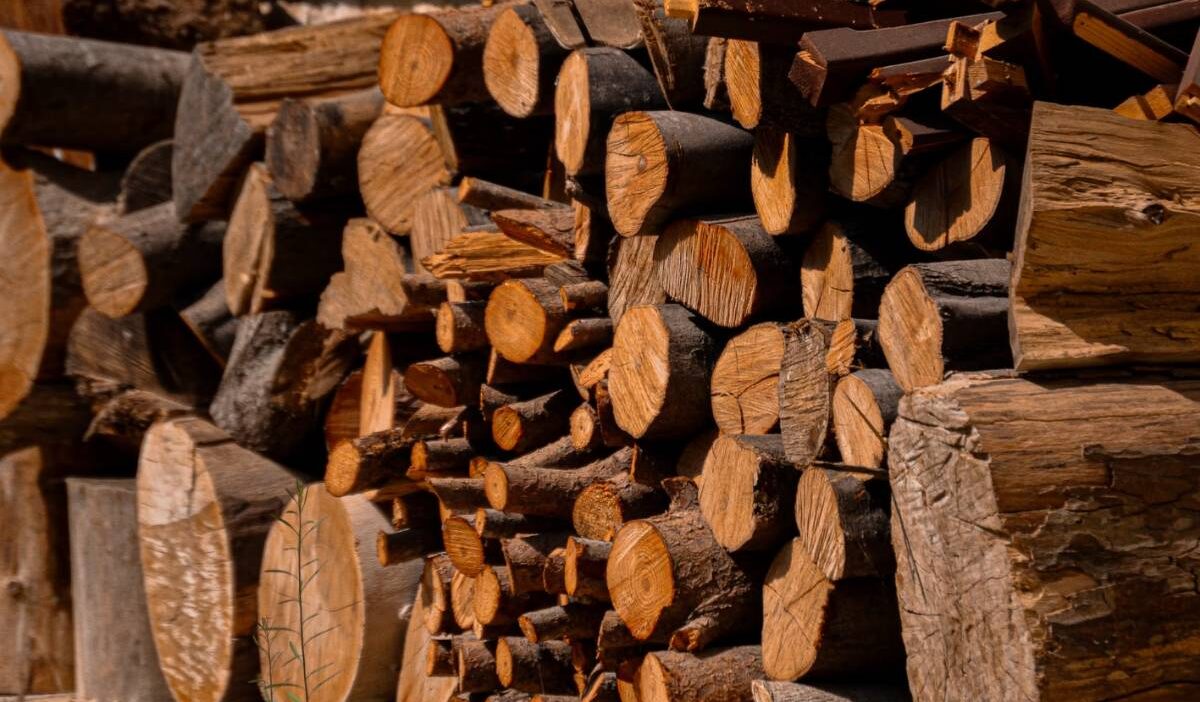
Cold weather can make the cost of heating a home or keeping a fireplace supplied add up quickly. A search for free firewood near me may uncover usable wood, but taking it without permission can lead to fines, safety problems, or the spread of invasive pests.
This guide explains how to evaluate legal sources, confirm collection rules, and recognize wood that should never enter a fireplace or stove. It also covers the practical steps needed to collect, transport, dry, and store firewood safely.
1. Where to Get Free Firewood Near Me?
Anyone researching where to get free firewood should confirm ownership and collection rules before loading wood. The following sources may provide free firewood, but availability and permission requirements vary.
| Source | Type of Wood | Permission Needed? | What to Check |
| Tree removal companies | Logs, trunk sections, and large branches | Yes | Pickup timing, wood species, log size, and delivery |
| Local residents | Fallen branches, cut trees, and leftover firewood | Yes | Ownership, condition, pests, and loading access |
| Municipal wood-drop sites | Logs, branches, or processed wood chips | Usually | Residency, collection hours, quantity limits, and permitted use |
| Public land programs | Dead and down wood or designated cutting material | Yes | Permit, collection zone, season, vehicle access, and fees |
| Farms and orchards | Pruned limbs and removed trees | Yes | Chemical treatment, species, cutting responsibility, and access |
| Sawmills | Slabwood, bark-free offcuts, and scrap lumber | Yes | Whether the wood is untreated and suitable for burning |
| Woodworking businesses | Untreated hardwood offcuts | Yes | Paint, glue, laminate, preservatives, and fasteners |
| Construction or demolition sites | Limited untreated solid wood | Always | Owner approval and possible chemical contamination |
| Online neighborhood groups | Mixed logs, branches, or leftover split wood | Yes | Exact location, condition, pickup deadline, and personal safety |
Tree Removal Companies and Arborists
Arborists may let residents collect logs after a nearby tree-removal job because hauling and disposal cost money. Ask whether the wood is available, how quickly it must be removed, and whether you need equipment to cut or load it.
Local Residents and Neighbors
Homeowners may offer fallen branches, removed trees, or unused split wood through community groups and neighborhood listings. Get clear permission from the owner and inspect the wood before arranging pickup.
Parks, Campgrounds, and Public Land Programs
Some public agencies issue permits for collecting designated dead and down wood, while others prohibit removal completely. A park entrance fee or camping reservation does not automatically authorize firewood collection.
Farms, Sawmills, and Woodworking Businesses
Farms, orchards, and sawmills may have logs, slabwood, or untreated offcuts they want removed. Confirm that the material contains no paint, glue, preservatives, laminate, or other chemicals before accepting it as firewood.
2. How to Find Free Firewood Near Me
Follow these steps when researching free firewood:
- Check local rules: Review firewood collection, burning, and transportation regulations for your city, county, and state.
- Contact tree companies: Ask nearby arborists whether they maintain a list of residents willing to collect logs.
- Search community listings: Look at neighborhood groups, mutual aid pages, local marketplaces, and wood-removal posts.
- Call public land offices: Ask whether any designated firewood program operates and whether a permit or fee applies.
- Contact farms and sawmills: Request untreated logs, slabwood, or offcuts that the business is permitted to give away.
- Inspect the material: Reject painted, treated, glued, moldy, rotten, or contaminated wood.
- Get permission in writing: Save a message or permit identifying the owner, collection area, date, and approved material.
- Arrange safe pickup: Confirm access, log dimensions, equipment needs, and whether you must remove everything.
- Move wood responsibly: Follow local restrictions intended to prevent invasive insects and tree diseases from spreading.
A listing for free firewood near me does not permit to enter private property or remove wood from a roadside, park, vacant lot, or work site.
>>> Read more: Free Pallets Near Me: 10 Best Places to Find Wood and Plastic Pallets
3. Can You Collect Free Firewood From Public Land?
Collection rules depend on who manages the land. Before treating public wood as free firewood near me, contact the responsible office and obtain any required permit.
| Land Type | Collection May Be Allowed? | Possible Requirement | Who to Contact |
| National forests | Sometimes, in designated areas | Personal-use permit, approved cutting map, season, quantity limit, or fee | Local USDA Forest Service district office |
| State forests | Varies by state and property | State permit, designated collection area, or scheduled wood sale | State forestry or natural resources agency |
| City parks | Usually prohibited unless a program authorizes it | Municipal permit or official public wood giveaway | City parks or public works department |
| Roadsides | Usually restricted | Permission from the transportation agency and possibly the adjoining owner | City, county, or state transportation department |
| Campgrounds | Limited to rules posted at the site | Campground approval or collection only within a designated area | Campground host or managing agency |
| Private woodland | Yes, with the owner’s consent | Preferably written permission and agreed access conditions | Property owner |
Permits may allow only dead and down wood, limit chainsaw use, or prohibit cutting near roads, waterways, trails, and protected areas. “Public land” does not mean that natural materials are free for anyone to remove.
4. Which Types of Free Wood Are Safe to Burn?
Not every offer for free firewood near me is suitable for a fireplace or wood stove. Check the material, moisture, and condition before taking it home.
Check the Wood Type
Use untreated natural wood from a known source. Avoid burning pressure-treated lumber, painted or stained wood, plywood, particleboard, railroad ties, pallets of uncertain origin, or materials exposed to chemicals because they can release harmful fumes and leave toxic ash.
Make Sure It Is Properly Dried
Freshly cut wood contains considerable moisture and may produce more smoke, creosote, and difficulty maintaining a fire. Properly seasoned wood generally burns cleaner, produces more usable heat, and should have a moisture content of about 20% or less when checked with a wood moisture meter.
Watch for Pests and Mold
Avoid heavily decayed, mold-covered, or visibly insect-infested logs, especially when you do not know where they originated. Follow local firewood transportation rules and use wood close to where it was collected to reduce the spread of invasive insects and tree diseases.
The EPA Burn Wise program provides additional guidance on choosing and burning firewood efficiently.
5. Tips for Getting Free Firewood Successfully
Good offers can disappear quickly, so use these tips when arranging pickup for free firewood near me:
- Be ready to collect it quickly: Confirm a pickup window and arrive when promised.
- Bring suitable equipment: Use gloves, closed-toe footwear, tie-downs, and a vehicle that can carry the weight safely.
- Ask before taking wood: Obtain permission from the owner or managing agency, even if the wood appears abandoned.
- Check the log size: Find out whether cutting, splitting, or loading is your responsibility.
- Inspect the wood: Reject treated, painted, contaminated, rotten, or heavily infested material.
- Store it properly: Stack split wood off the ground with airflow and protection from rain.
- Keep it away from buildings: Follow local fire-safety guidance when selecting a storage location.
- Avoid moving it long distances: Review Don’t Move Firewood for guidance on preventing pest movement.
>>> You might be interested in: Free Amazon Gift Card: 5 Legit Ways to Earn (2026 Updated)
6. FAQs
Is It Legal to Collect Free Firewood?
It is legal only when the property owner or managing agency authorizes collection, and you follow any permit, location, cutting, and transportation rules. Never remove wood from forests, parks, campgrounds, roadsides, vacant land, utility areas, or private property simply because it appears unwanted.
How Much Should a Load of Firewood Cost?
The price varies by wood species, moisture level, log length, quantity, delivery distance, and local demand. Ask for the exact volume in cords or fractions of a cord because terms such as “truckload,” “face cord,” and “rack” may describe very different quantities.
What Is the Cheapest Way to Get Firewood?
Collecting approved logs from arborists, neighbors, sawmills, or permitted public programs is often cheapest when you can transport, split, season, and store the wood yourself. Before choosing an offer for free firewood near me, include fuel, equipment, permit, processing, and delivery costs in the comparison.
7. Conclusion
Free wood can save money, but only when it is legal to collect and safe to burn. Ask permission, reject treated or contaminated material, and give fresh logs enough time to dry before using them.
A dependable source of free firewood near me should reduce heating costs without creating avoidable legal, health, or pest problems.


