
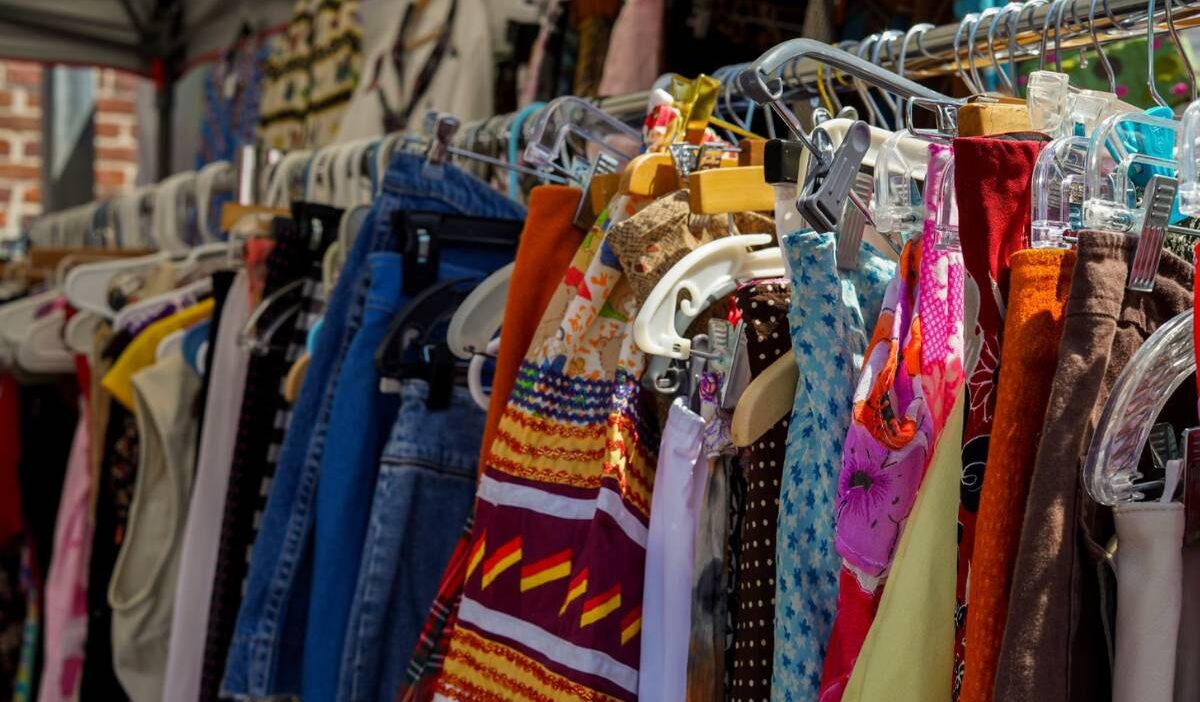
A change in season, a new job, or a child’s growth spurt can create clothing expenses that a tight budget cannot absorb. Local free clothes programs may help, but their inventory, eligibility rules, and application processes differ widely.
This guide explains how to locate reliable clothing assistance, prepare for a request, and find suitable items for everyday life, school, work, or changing weather. It also covers affordable alternatives when donated clothing is unavailable.
1. Where Can You Get Free Clothes Near Me?
Several local programs distribute clothes for free, but each one serves different groups and depends on donated inventory.
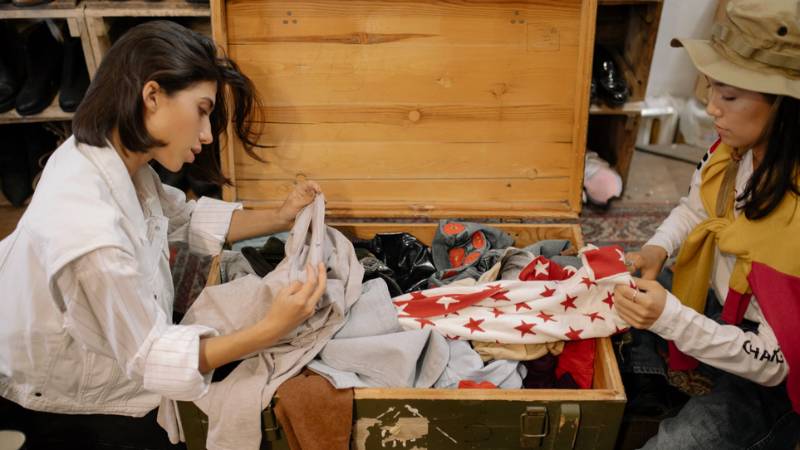
| Program or Organization | Clothing Available | Who May Qualify | How to Apply |
| Clothing closets | Everyday clothes, shoes, coats, and accessories | Residents or anyone experiencing financial hardship | Call ahead or visit during distribution hours |
| Churches and faith-based organizations | Donated clothing, coats, and seasonal items | Community members; membership may not be required | Contact the church office or outreach ministry |
| Homeless shelters | Everyday clothing, socks, shoes, and weather-appropriate items | Shelter residents or people experiencing homelessness | Speak with shelter or outreach staff |
| Domestic violence programs | Clothing for adults and children, including emergency basics | Survivors receiving confidential support | Contact a local hotline or advocate |
| Community action agencies | General clothing, workwear, and referrals | Low-income households within the service area | Complete an intake or request a referral |
| School clothing programs | Uniforms, shoes, coats, and children’s clothing | Students enrolled in the district or partner school | Contact a counselor, social worker, or family liaison |
| Veterans organizations | Casual clothing, coats, footwear, and workwear | Veterans and, in some programs, military families | Contact a veterans service office or local nonprofit |
| Mutual aid groups | Donated clothing based on current community offers | Requirements are often minimal or nonexistent | Join the group and follow its request process |
| Buy Nothing groups | Clothing offered directly by nearby residents | Members who live within the group’s community area | Join the local group and request or claim an item |
Availability, sizes, and condition vary. Contact the organization before visiting, especially if you need a particular size, uniform, coat, or pair of shoes.
2. How to Find Free Clothes Near Me
Use these steps to locate reliable clothing assistance without sharing personal information on an unverified website:
- Call 211: Ask for clothing closets, coat programs, school clothing assistance, or emergency clothing resources in your ZIP code.
- Search local organization websites: Check community action agencies, churches, shelters, and family resource centers.
- Contact schools and social-service offices: A counselor, caseworker, or family liaison may provide a referral.
- Check community groups: Search local mutual aid networks and verified Buy Nothing groups.
- Ask about eligibility: Confirm residency, income, referral, identification, or appointment requirements.
- Check current inventory: Ask whether the program has the clothing type and approximate size you need.
- Confirm collection details: Verify the address, hours, appointment time, item limits, and documents to bring.
When searching free clothes near me, contact more than one program because donated sizes and seasonal items can run out quickly. United Way 211 can connect callers with local social-service resources, although available programs differ by area.
>>> Read more: What Gas Stations Have Free Air Near Me? 5+ Places to Check First
3. Who Can Qualify for Free Clothing Assistance?
Eligibility for free clothes depends on the organization and the people it is funded or designed to serve. Common eligible groups may include:
- Low-income individuals and families
- People experiencing homelessness
- Domestic violence survivors
- Veterans and military families
- Children enrolled in local schools
- People starting a job or attending an interview
- Families affected by fires, floods, or other emergencies
- Refugees and newly arrived immigrants
- Foster children and families
- Pregnant women and parents with infants
- Seniors and people with disabilities
- Anyone experiencing an urgent clothing need
Some community closets and mutual aid groups do not require proof of income. Targeted programs may request identification, proof of residence, school enrollment, a referral, or documents showing eligibility for another assistance program.
4. Types of Free Clothes You May Receive
Programs may offer different categories of free clothing based on the season, community needs, and donations they currently have available.
Everyday Clothing
Common items include shirts, pants, dresses, skirts, sweaters, and shoes for adults or children. Sizes, styles, and quantities depend on what the program has received.
Seasonal Clothing
Coat drives and clothing closets may distribute winter coats, hats, gloves, rain jackets, and other weather-appropriate items. Seasonal clothing often has high demand, so ask about distribution dates and item limits early.
Special Clothing Assistance
Targeted programs may provide school uniforms, work clothes, interview outfits, nonslip shoes, maternity wear, or baby clothes. Applicants might need a school referral, job offer, interview confirmation, or participation in a qualifying support program.
Available items always depend on donations and current inventory. Contact the organization before visiting if you need a particular size or type of clothing.
5. Other Ways to Get Affordable Clothing
If local programs do not have the free clothes you need, several low-cost alternatives can help stretch a limited budget.
Clothing Swaps
Community centers, schools, parent groups, and neighborhood organizations may hold swaps where participants exchange usable clothing. Ask whether you must bring items to participate, since some events also welcome families who have nothing available to trade.
Donation Programs
Thrift stores and nonprofit organizations sometimes work with shelters, schools, or social-service agencies to provide clothing vouchers. These arrangements are usually local, so ask a caseworker or 211 specialist whether a referral program operates nearby.
Discount and Community Resources
Consignment stores, thrift shops, clearance sales, yard sales, and online neighborhood groups may offer clothing at very low prices. School uniform exchanges and seasonal coat drives can also reduce specific expenses.
Compare the item’s condition with its price before buying. Check zippers, soles, seams, stains, and washing instructions, especially when purchasing workwear, children’s clothing, or shoes.
>>> Read more: How to Check Tire Pressure: A Simple Step-by-Step Guide for Safer Driving
6. FAQs
How Do I Get Clothes for Free?
Call 211 and ask about clothing closets, community action agencies, shelters, churches, school programs, or coat drives in your ZIP code. You can also join a local mutual aid or Buy Nothing group, but verify meeting arrangements before collecting items from an individual.
How Can I Get Free Clothes on SHEIN Without Paying?
SHEIN may operate a Free Trial program that allows eligible users to apply to test selected products and submit reviews. Selection is not guaranteed, availability varies, and any offer should be accessed only through SHEIN’s official app or website rather than a third-party page promising unlimited free products.
Is There a Free Online Clothing Store?
There is no universal online store that gives unlimited clothing to everyone at no cost. Some nonprofit programs, mutual aid groups, and Buy Nothing communities arrange free items online, but eligibility, shipping costs, collection areas, and inventory vary.
Does Goodwill Give Clothes for Free?
Goodwill does not have one nationwide policy providing free clothing to anyone who asks. Some regional Goodwill organizations participate in voucher or referral programs with schools, shelters, workforce agencies, and other nonprofits, so contact the local organization to ask what assistance is available.
7. Conclusion
Clothing assistance is highly local, and the first program you call may not have the right size or item. Try several community resources, explain what you need, and ask whether another organization can help if current inventory is limited.
A combination of clothing closets, vouchers, community exchanges, and donated free clothes can make school, work, and seasonal expenses more manageable.