A great smartphone doesn’t have to cost a fortune. Thanks to stronger budget processors, better cameras, and longer software support, today’s affordable models can comfortably handle everyday tasks like messaging, streaming, navigation, and social media without stretching your budget.
The challenge is knowing which ones are genuinely worth buying. In this guide, we’ve rounded up the best cheap SIM free phones, highlighting the top choices for different needs and explaining what to look for before spending your money.
1. What Is a Cheap SIM Free Phone?

A cheap SIM free phone is an unlocked handset that’s sold without a bundled mobile contract while remaining affordable enough for cost-conscious shoppers.
Instead of paying through monthly installments, you purchase the hardware outright and decide which wireless service fits your needs.
Lower pricing no longer means settling for an outdated experience. Many entry-level and mid-range releases now include bright displays, dependable processors, capable cameras, and batteries that comfortably last through a full day.
As a result, spending less often comes down to skipping premium extras rather than sacrificing the features most people rely on.
2. The Best Cheap SIM Free Phones in 2026
Affordable doesn’t mean one-size-fits-all. Some shoppers care most about lasting through a busy day on a single charge, while others want sharper photos or smoother multitasking.
The recommendations below focus on different priorities, making it easier to find a budget-friendly handset that matches the way you’ll actually use it.
Best Overall: Samsung Galaxy A16 5G
If you want one recommendation that does almost everything well without stretching your budget, the Samsung Galaxy A16 5G is the easiest choice.
Its bright display, dependable battery life, and balanced everyday performance make it suitable for most users, whether you’re browsing the web, streaming videos, using social media, or handling work apps.
Samsung also continues to improve its software update policy for Galaxy A-series devices, giving this model better long-term value than many competitors in the same price range.
Best for: Everyday users who want the safest all-around purchase.
Best Budget Pick Under $150: Motorola Moto G Play
Not everyone needs premium features. If your priorities are calling, texting, navigation, email, and occasional streaming, the Moto G Play covers the essentials without unnecessary extras.
Motorola’s clean Android experience keeps the interface responsive, while its large battery comfortably lasts through a full day of regular use. It’s an excellent replacement for an aging handset or a dependable backup phone.
Best for: First-time smartphone users, seniors, and light daily use.
Best Battery Life: Nokia G300
Battery life often matters more than benchmark scores, especially for people who spend long hours away from a charger.
The Nokia G300 combines a large battery with efficient hardware, allowing many users to reach well into a second day between charges under moderate use.
It also includes 5G connectivity, making it a practical option for anyone who wants longer endurance without sacrificing modern network support.
Best for: Travelers, commuters, and heavy daily users.
Best Camera on a Budget: Samsung Galaxy A32
Photography is usually one of the first compromises in the budget category, but the Galaxy A32 performs better than many similarly priced alternatives.
Its primary camera captures detailed images with natural-looking colors in daylight, while portrait and ultra-wide modes add flexibility for everyday shooting.
Although low-light performance still trails flagship phones, it’s more than capable of handling family photos, social media posts, and casual video recording.
Best for: Users who regularly take photos without paying flagship prices.
Best Value for Long-Term Use: iPhone SE (3rd Generation)
Buying a slightly older iPhone can often provide better long-term value than purchasing a brand-new budget handset.
The iPhone SE (3rd generation) continues to receive regular iOS updates, delivers flagship-level processing power with the A15 Bionic chip, and integrates seamlessly with Apple’s ecosystem.
Best for: Buyers looking for years of software updates on a limited budget.
3. What to Look for in a Cheap SIM Free Phone
Price is only one part of the buying decision. A lower price tag won’t feel like a bargain if the hardware struggles with daily tasks or becomes outdated after a short time.
Performance for Everyday Use
Fast benchmark scores matter less than smooth day-to-day operation. Opening apps, browsing the web, switching between tasks, and streaming videos should all feel responsive without noticeable lag.
For most buyers, a modern processor paired with at least 4 GB of RAM provides a much better long-term experience than chasing the absolute lowest price.
Battery Life and Charging
A large battery is helpful, but efficiency plays an equally important role. Software optimization and the processor’s power consumption often determine how long a charge actually lasts.
Fast charging is another feature worth considering, particularly if you spend long hours away from home and only have short windows to recharge.
Software Updates and Security
The hardware may last for years, but outdated software can shorten its useful life much sooner.
Manufacturers that continue releasing operating system upgrades and security patches help keep personal information protected while improving stability over time. Checking the update policy before buying can make a significant difference in long-term ownership.
4G or 5G Support
Not everyone needs 5G today, especially if local coverage remains limited. Even so, choosing a handset with next-generation connectivity can help extend its lifespan as more networks continue expanding.
If you’re mainly browsing, streaming, and using social media, a reliable 4G connection will still handle those tasks comfortably for many users.
4. Is a Cheap SIM Free Phone Better Than a Carrier Deal?
There’s no universal winner because the better option depends on how you prefer to pay and how often you switch wireless services.
Buying outright usually costs more upfront, but it gives you complete freedom to move between carriers whenever a better plan becomes available. It also allows you to keep using the same handset without waiting for contract terms or unlocking requirements.
A carrier promotion can lower the initial expense through financing or trade-in offers.
The trade-off is that you’ll often need to remain with the same network for a specified period before gaining the same level of flexibility.
Read more: Can I Put My SIM Card in Another Phone? What Happens and What to Check First
5. Don’t Want to Buy a New Phone? Explore Another Option
Buying an affordable handset isn’t the only way to lower your mobile costs. If the one you’re using still handles your daily routine without any issues, replacing it may not be necessary at all.
Instead, consider reducing what you pay each month for wireless service.
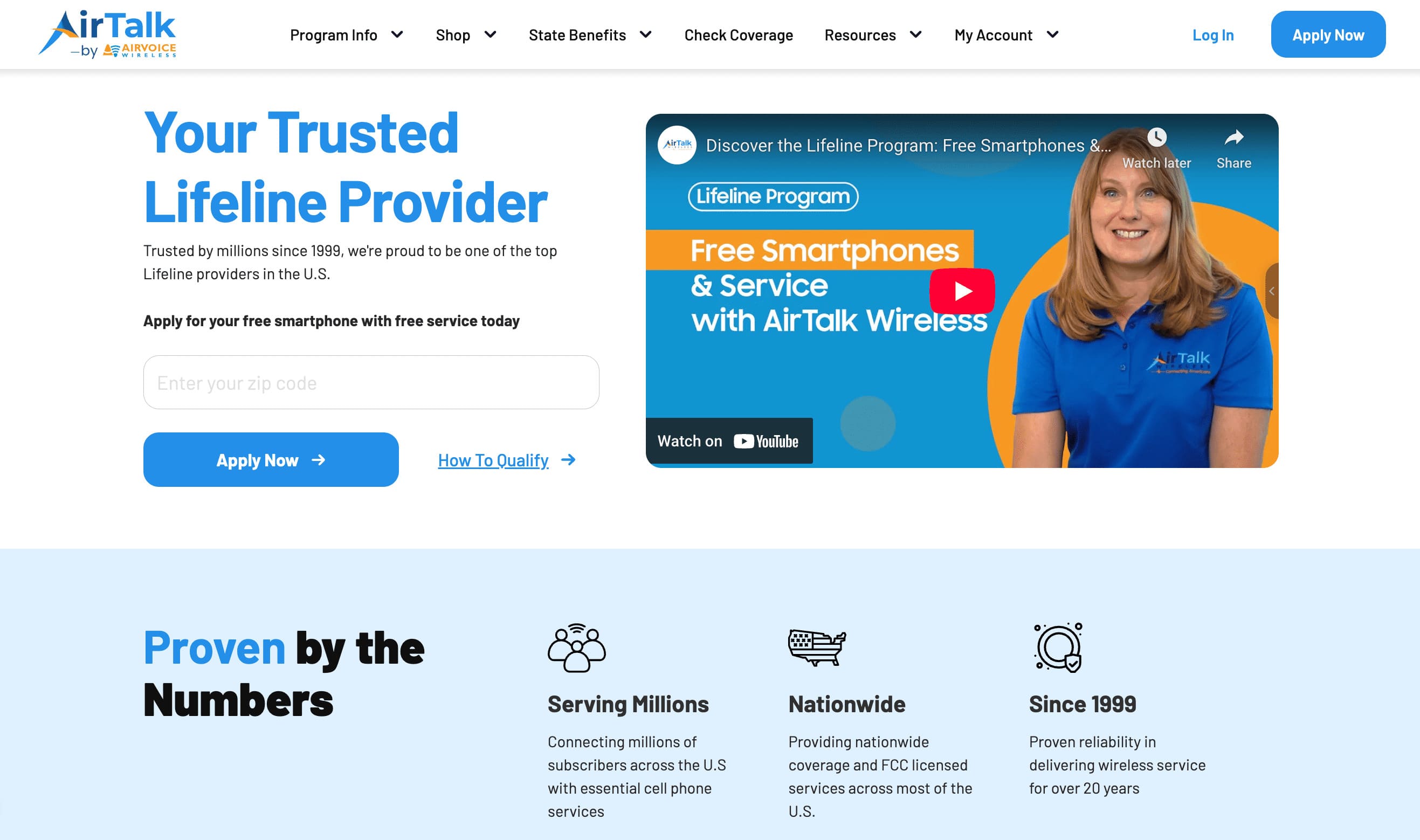
For eligible households, the federal Lifeline program helps make mobile connectivity more affordable by providing subsidies on monthly wireless or broadband service through participating providers.
With AirTalk Wireless, qualifying customers can:
- Bring their own compatible handset (BYOD)
- Activate service using either a physical SIM or eSIM on supported models
- Check eSIM compatibility before activation with AirTalk’s free online tool
- Access a selection of smartphones, with availability depending on state and inventory
- Receive free or low-cost monthly wireless service through the Lifeline program
- Enjoy service without annual contracts
6. FAQs
Is a cheap SIM free phone worth buying?
Yes, provided you choose one that matches your needs. Many affordable unlocked models now offer dependable day-to-day performance, long battery life, and several years of software updates, making them excellent choices for everyday use.
Can I use any SIM card with a cheap SIM free phone?
In most cases, yes. Because these handsets aren’t tied to a specific carrier, you can activate service with any compatible network. Before switching, it’s still worth confirming that the model supports the bands used by your chosen carrier.
Why are SIM free phones cheaper?
Lower prices often come from buying hardware without a bundled contract or financing plan. Many budget-friendly models also skip premium features such as flagship processors, advanced camera systems, or high-refresh-rate displays while still covering the essentials that most people use every day.
7. Conclusion
Finding a cheap SIM free phone is less about spending the least and more about choosing wisely. By focusing on the features that matter most, you’ll end up with a handset that fits your budget, handles your daily routine comfortably, and gives you the freedom to switch carriers whenever it makes sense.