Modern phones may support eSIM technology, but carrier locks can still limit which networks the device is allowed to activate. Many users asking can I use an eSIM on a locked phone discover that eSIM compatibility and carrier unlocking are not exactly the same thing.
Some locked devices can activate eSIM successfully through approved networks, while others block activation entirely depending on the carrier policies attached to the phone.
1. Can I Use an eSIM on a Locked Phone? Short Answer
In some situations, yes. A locked phone can still support eSIM technology, but carrier restrictions usually control which eSIM plans the device is allowed to activate.
For users asking can I use an eSIM on a locked phone, the most important thing to understand is that eSIM support does not automatically remove carrier locks.
A locked device may still:
- Activate eSIM from the original carrier
- Support certain secondary lines
- Allow internal carrier plan changes
At the same time, the same phone may block:
- Other carrier eSIM plans
- International travel eSIMs
- Outside prepaid providers
Whether activation works depends on factors such as:
- Carrier policies
- Device eligibility
- Account status
- Network compatibility
- Regional restrictions
2. How Carrier Lock Affects eSIM Activation
A carrier lock limits which mobile networks can activate on the phone, even if the device already supports eSIM hardware.
This means the phone may technically support:
- Digital SIM activation
- Dual SIM functionality
- Multiple eSIM profiles
However, the carrier still controls which networks are approved for use.
For example, a locked phone may:
- Accept eSIM from the original carrier
- Reject QR codes from another network
- Fail travel eSIM activation
- Block outside prepaid plans
This is why some users experience successful eSIM setup while others receive:
- “SIM not supported”
- Activation failed
- Carrier restriction errors
- Invalid network messages
The lock itself usually remains active until the original carrier officially removes it.
3. When eSIM Can & Can’t Work on a Locked Phone
Whether eSIM works on a locked phone usually depends on which network the device is trying to activate.
Some situations allow normal activation, while others are blocked completely by carrier restrictions.
Situations Where eSIM Still Works on Locked Phones
There are several situations where users asking can I use an eSIM on a locked phone may still activate service successfully.
One common example is using eSIM directly through the same carrier that originally locked the device.
In many cases, users can:
- Convert an existing physical SIM into eSIM
- Activate replacement eSIM service
- Restore service after resetting the phone
- Manage plans digitally inside carrier apps
Some carriers also allow secondary lines as long as both lines remain connected to the same network.
Depending on the setup, users may be able to:
- Separate personal and work numbers
- Add data-only lines
- Use dual SIM functionality
- Activate companion device service
Because the phone already remains approved on the original carrier network, activation often works normally in these situations.
Situations Where a Locked Phone Will Block eSIM Entirely
Other situations usually fail because the carrier lock still prevents outside network activation.
One of the most common problems is switching to a completely different carrier. Even though the phone technically supports eSIM hardware, the device may still reject outside network activation immediately.
Locked phones also commonly block:
- International eSIM services
- Travel data eSIM providers
- Temporary prepaid eSIM plans
- Unsupported regional carriers
Users may see errors such as:
- SIM not supported
- Activation failed
- Invalid network
- Carrier restriction messages
Attempting to bypass the carrier lock using unofficial software tools or paid unlocking websites can also create serious risks, including activation problems, device instability, or scams.
4. Real Workarounds You Can Actually Try
Although carrier restrictions can limit flexibility, there are still safer and more practical options available.
Request an Official Carrier Unlock
The most reliable long-term solution is requesting an official unlock directly from the original carrier.
Many carriers approve unlock requests after:
- Full device payment completion
- Contract fulfillment
- Good account standing
- Minimum active service requirements
Once unlocked officially, the phone can usually activate compatible eSIM plans much more freely across different networks.
Use a Compatible Plan from the Original Network
If unlocking is not available yet, staying with a compatible plan from the original network may still allow stable eSIM usage without changing devices.
This can sometimes help users continue using:
- Existing eSIM service
- Secondary digital lines
- Carrier app activation
- Supported dual SIM setups
For many users, this is often safer and more stable than attempting unofficial unlocking methods or risky bypass tools.
Read more: What Does SIM Locked Mean? Step-by-Step Guide to Unlocking Your Phone
5. A Better Long-Term Option: Free Wireless Service Through Lifeline Providers
If your current phone is locked or keeps rejecting eSIM activation, applying through a Lifeline provider may be another option worth considering.
AirTalk Wireless participates in the federal Lifeline program, which helps eligible low-income individuals receive discounted or free mobile service in supported areas.
In some situations, approved applicants may also qualify for compatible smartphones depending on current availability and promotions.
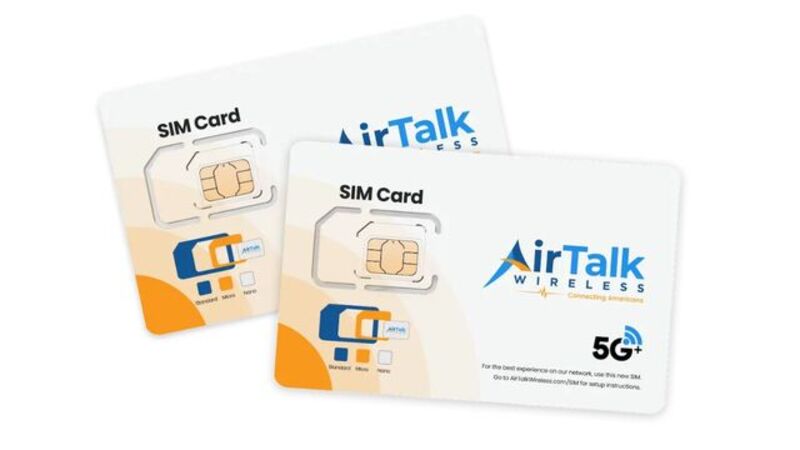
AirTalk Wireless supports eSIM-compatible activation on supported devices, which can make setup faster for users who already own a compatible iPhone or newer smartphone.
However, not everyone automatically qualifies for Lifeline-supported service. Eligibility may depend on:
- Participation in programs such as SNAP, Medicaid, SSI, or other qualifying assistance programs
- Meeting income eligibility requirements
During the application process, users will need to provide valid proof of eligibility and identity for verification.
6. FAQs
Can I use an international eSIM on a locked phone?
In many cases, no. Locked phones often block international or travel eSIM providers if the service does not belong to the approved carrier network.
What are the disadvantages of eSIM?
eSIM offers convenience and digital activation, but some disadvantages may include:
- Carrier compatibility limitations
- More difficult troubleshooting in certain situations
- Transfer restrictions between devices
- Activation problems on locked phones
Can I transfer an eSIM to a locked phone?
Sometimes yes, but the locked phone must still allow activation through the approved carrier network. Otherwise, the transfer may fail during setup.
Is it possible to remove carrier lock on iPhone?
Yes. Most iPhones can be officially unlocked through the original carrier once eligibility requirements such as full payment and account verification are completed.
Conclusion
So, can I use an eSIM on a locked phone? Carrier locks can still limit how freely eSIM works, even on modern devices fully designed for digital SIM technology. Understanding this system helps make it easier to avoid unsupported activations, travel eSIM failures, and risky unlocking shortcuts while choosing the safest setup for reliable service.