
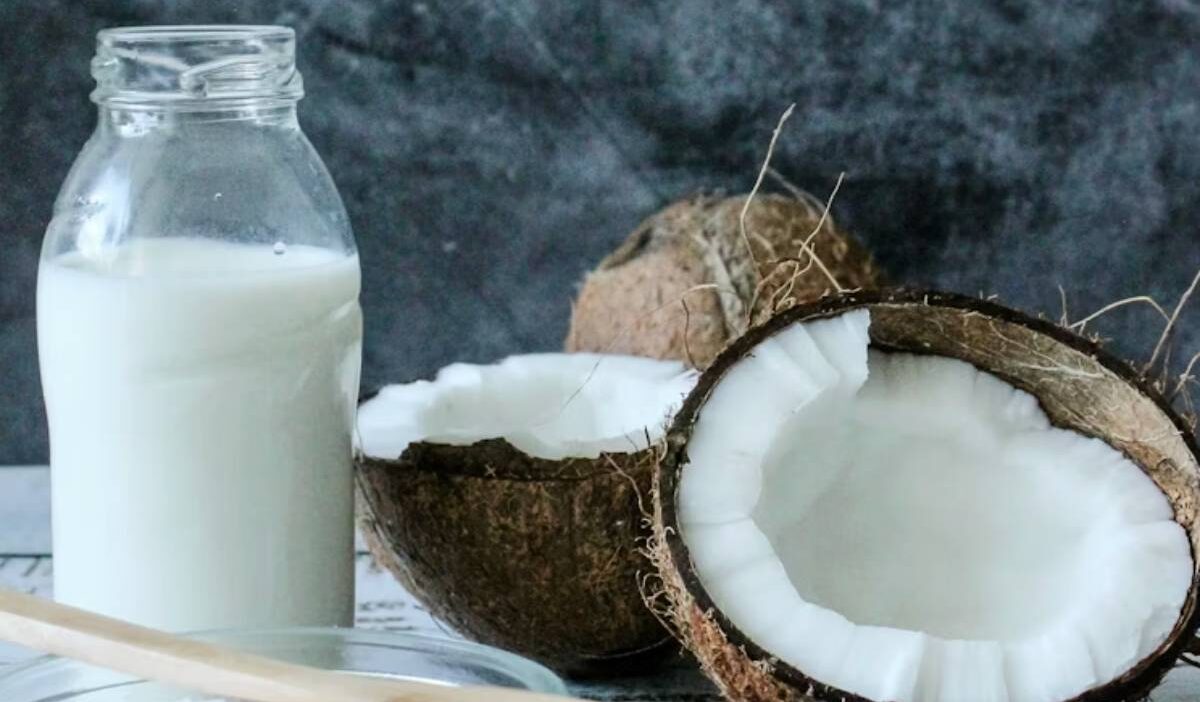
Coconut oil is often used as a simple way to soften and protect the skin, especially in routines focused on hydration. However, the results can vary depending on the type you choose and how you use it.
What is the best coconut oil for skin depends on factors like processing, purity, and skin compatibility. Understanding these differences helps you select an option that works without feeling too heavy or causing imbalance.
1. What Is the Best Type of Coconut Oil for Skin?
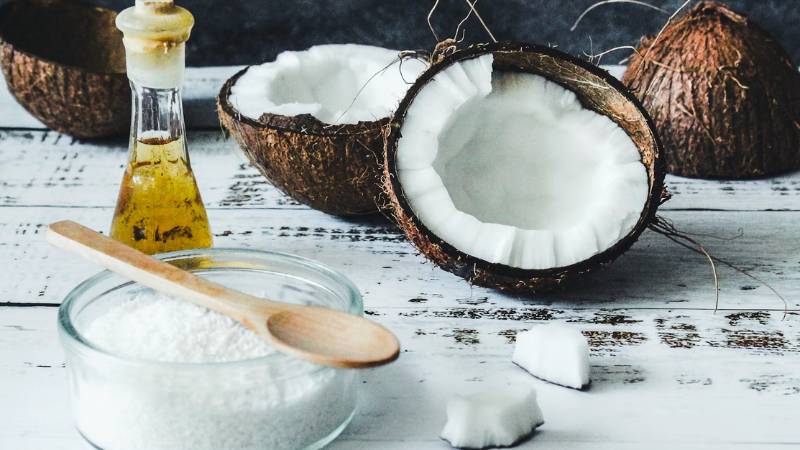
Choosing the right type of what is the best coconut oil for skin depends less on the label and more on how the oil is processed and what your skin needs. When asking what is the best coconut oil for skin, the focus should be on purity, minimal processing, and how well it absorbs without leaving heavy residue.
If you are wondering what is the best coconut oil for your skin, the answer often comes down to selecting a formula that retains its natural properties while avoiding unnecessary additives.
1.1. Virgin, Cold-Pressed Coconut Oil
If you’re searching for what is the best coconut oil for hair and skin, then virgin, cold-pressed coconut oil is considered one of the most suitable options for skin and hair use.
This type is extracted without high heat, which helps preserve its natural fatty acids and texture. It tends to feel smoother and more consistent when applied to the skin.
Examples often include products from brands like Viva Naturals or Nutiva, which are known for minimal processing and stable texture.
1.2. Unrefined and Additive-Free Formulas
Unrefined coconut oil keeps its natural composition intact.
It does not go through heavy refining or bleaching, which means it retains more of its original structure. This makes it more suitable for those who want a simple, single-ingredient product.
Options from brands like Dr. Bronner’s or Garden of Life are often chosen because they avoid unnecessary additives and maintain a clean formulation.
1.3. Organic Options for Sensitive Skin
Organic coconut oil is often preferred for sensitive skin because it is produced without certain chemicals during cultivation.
While this does not guarantee no irritation, it reduces the likelihood of exposure to residues that may affect reactive skin.
Brands such as Sky Organics or Nature’s Way are commonly used for this reason, especially when the goal is to keep the routine minimal and gentle.
1.4. Fragrance-Free for Facial Use
For facial application, fragrance-free options tend to be more suitable.
Added fragrance can increase the chance of irritation, especially on more delicate areas of the skin. A simple, neutral formula helps reduce this risk.
Products from brands like NOW Solutions or Majestic Pure often offer straightforward formulations without added scent, making them more appropriate for facial use.
2. When Coconut Oil Works Well on Skin
Coconut oil does not work the same way for every situation. It performs best when used in contexts where sealing moisture or reducing dryness is the main goal. So what is the best coconut oil for skin? Read on and find out:
2.1. Very Dry Body Skin
Coconut oil can be helpful for areas that tend to become very dry, such as elbows, knees, or heels.
Its thicker texture helps reduce moisture loss, which can improve how the skin feels over time. This makes it more suitable for body use rather than lighter areas like the face.
2.2. As a Moisture-Sealing Layer
Coconut oil works best when applied after hydration rather than on dry skin.
It acts as a sealing layer that helps lock in existing moisture. Using it after showering or after applying a hydrating product allows it to perform more effectively.
2.3. For Massage or Barrier Protection
The texture of coconut oil makes it suitable for massage or situations where the skin needs a protective layer.
It provides slip during application and reduces friction, which can help improve comfort. This makes it useful in routines where the goal is to protect the skin surface rather than treat a specific concern.
3. When Coconut Oil May Not Be Ideal
Coconut oil can be effective in some cases, but it is not suitable for every skin type or concern. Understanding what is the best coconut oil for skin, when it may not work well helps avoid unwanted reactions or buildup.
3.1. Acne-Prone Skin
For acne-prone skin, coconut oil can feel too heavy.
It has a thicker, occlusive texture that can sit on the surface and trap oil, dead skin cells, and impurities. Over time, this may increase the chance of clogged pores, especially on areas like the face or upper back.
While not everyone will react the same way, those who are already prone to breakouts may notice that coconut oil does not absorb as easily and can make congestion more noticeable.
3.2. Oily Skin
Oily skin already produces excess sebum, so adding a rich oil on top may not always be necessary.
Coconut oil does not regulate oil production. Instead, it forms a layer over the skin, which can make the surface feel heavier or shinier throughout the day.
For some people, this can lead to discomfort or a greasy appearance, especially in warm or humid conditions.
3.3. Fungal Acne Concerns
Coconut oil may not be suitable for those dealing with fungal-related skin issues.
Certain types of fungi can thrive in environments where occlusive or lipid-rich products are used. Because coconut oil is rich in fatty acids, it may contribute to conditions where fungal imbalance is a concern.
In these cases, lighter and more targeted products are often a better choice.
Read more: Does Retinol Lighten Skin? The Shocking Truth About What It Really Does to Your Skin Tone
4. How to Use Coconut Oil Safely
Besides finding what is the best coconut oil for skin, knowing how to use coconut oil correctly makes a significant difference in how it performs on the skin.
It works best when applied in small amounts rather than in thick layers. A thin layer is enough to create a protective barrier without overwhelming the skin.
Applying it to slightly damp skin or after a hydrating product helps improve how it functions. This allows it to seal in moisture rather than sitting on dry skin without benefit.
It is also helpful to limit use to areas that need extra moisture, such as the body rather than the face. This reduces the likelihood of congestion or imbalance.
For those trying it for the first time, applying it to a small area first can help determine how the skin responds before using it more broadly.
5. Coconut Oil vs Body Lotion: Which Is Better?
Coconut oil and body lotion serve different purposes, even though they may feel similar at first.
Coconut oil mainly acts as an occlusive, meaning it helps seal in moisture but does not provide hydration on its own. Body lotions, on the other hand, are usually formulated with a combination of humectants, emollients, and occlusives.
Because of this, lotions tend to provide more balanced hydration. They add moisture to the skin and help retain it, while coconut oil mainly helps prevent water loss.
In practice, coconut oil works better as a finishing step, while body lotion is more suitable as a primary moisturizing product. Some routines combine both for better results.
6. FAQs
Can coconut oil clog pores?
Coconut oil can feel heavy on certain skin types and may contribute to clogged pores, especially for acne-prone skin.
Is coconut oil safe for daily use?
It can be used daily on areas that tolerate it well, particularly on the body. However, frequency may need to be adjusted based on how the skin responds.
Should you use coconut oil on your face?
It may not suit everyone for facial use, especially those with oily or acne-prone skin. Lighter alternatives are often preferred for the face.
7. Conclusion
What is the best coconut oil for skin depends on both the type of oil and how it is used. While it can be helpful for sealing moisture and protecting dry areas, it is not suitable for every skin type.
Understanding when and how to use it allows you to get the benefits without causing imbalance or discomfort.
Follow 456 Skin for expert-backed skincare insights and practical tips you can trust.