Does retinol lighten skin is a common question among people starting a retinol routine for acne, dark spots, or anti-aging. Many users notice their skin looks brighter after a few weeks and wonder if retinol is actually bleaching or lightening their natural complexion. The truth is more nuanced. Retinol does not permanently change your natural skin color, but it can influence how even, clear, and radiant your skin appears.
1. Does Retinol Lighten Skin?
The short answer to does retinol lighten skin is no, retinol does not bleach or permanently change your natural skin color. It does not reduce melanin production to the point of altering your genetic complexion. Instead, retinol works by increasing cell turnover and improving overall skin renewal.
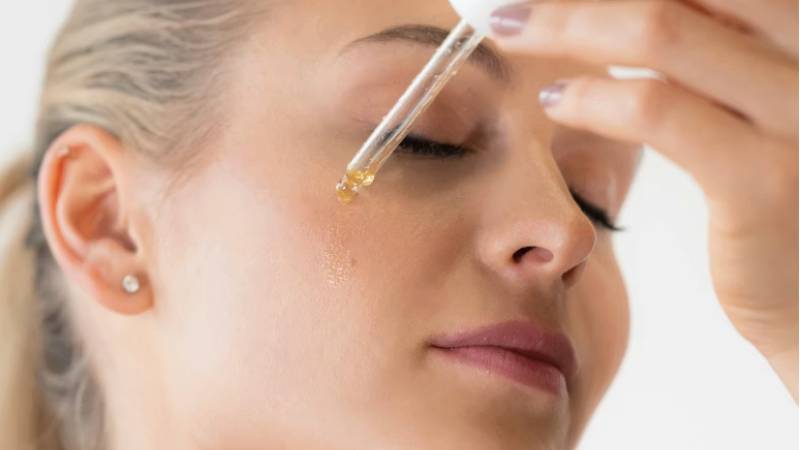
When dead skin cells build up on the surface, they can make the complexion look dull, uneven, or darker than usual. Retinol helps shed those older surface cells and promotes the growth of new ones. As fresher skin cells come to the surface, the skin may appear brighter and more even. This improvement often leads people to believe retinol is lightening their skin.
However, what retinol is really doing is improving clarity and smoothness. It enhances how light reflects off the skin, which can create the appearance of a lighter or more radiant tone without actually changing your base pigmentation.
2. How Retinol Affects Skin Tone
Retinol influences skin tone primarily by regulating cell turnover and supporting collagen production. These processes improve texture and reduce discoloration over time. While it does not alter your natural melanin levels permanently, it can significantly improve uneven pigmentation.
Why Skin May Look Brighter
One reason people ask does retinol lighten skin is because of the visible brightness that often develops after consistent use. This brightness comes from:
- Faster shedding of pigmented dead skin cells
- Improved skin texture and smoothness
- Reduced appearance of dark spots
- Enhanced light reflection from a more even surface
As hyperpigmented cells gradually fade and the surface becomes smoother, the complexion may look clearer and more luminous. This visual improvement can feel like lightening, but it is more accurate to describe it as evening out the skin tone.
What Retinol Does Not Do
Retinol does not:
- Bleach the skin
- Permanently suppress melanin production
- Change your genetic skin color
- Act as an instant whitening treatment
If someone expects dramatic skin whitening, retinol will likely not meet that expectation. Its effects are gradual and focused on improving overall tone consistency rather than transforming your natural complexion.
3. Can Retinol Reduce Hyperpigmentation?
Yes, retinol can help reduce hyperpigmentation over time. While it does not bleach the skin, it supports the gradual fading of dark spots by accelerating cell turnover. When new skin cells replace older, pigmented ones, areas affected by sun damage, acne scars, or uneven tone can slowly appear lighter and more balanced.
This is one of the main reasons people ask does retinol lighten skin. What they often notice is not a full skin tone change, but a reduction in localized discoloration. Retinol helps regulate how pigment is distributed in the skin, making dark patches less noticeable with consistent use.
However, results depend on the cause of hyperpigmentation. Sun spots and post-inflammatory hyperpigmentation typically respond well. Deeper melasma may require a more comprehensive treatment plan.
Best Way to Use Retinol for Dark Spots
To improve dark spots effectively, retinol should be used consistently and carefully:
- Start with a low concentration if you are new to retinol
- Apply at night on clean, dry skin
- Use a moisturizer afterward to reduce irritation
- Wear broad-spectrum sunscreen every morning
Sunscreen is critical. Without sun protection, UV exposure can worsen pigmentation and undo the progress retinol helps create. Using retinol without daily SPF often leads to disappointment and irritation.
Combining retinol with ingredients like niacinamide or vitamin C may also support more even tone, but layering should be done cautiously to avoid over-irritation.
How Long It Takes to See Results
Retinol works gradually. Most people begin noticing subtle improvements in brightness and texture within 4 to 6 weeks. Visible fading of dark spots often takes 8 to 12 weeks or longer, depending on skin type and pigmentation depth.
Patience is important. Stopping too early or increasing strength too quickly can lead to irritation, which may temporarily worsen discoloration. Consistency and sun protection are the keys to seeing meaningful results.
4. Who Should Be Careful When Using Retinol?
Although retinol is widely used, it is not suitable for everyone without adjustments.
People who should be cautious include:
- Those with very sensitive or reactive skin
- Individuals with rosacea or eczema
- People using other strong exfoliants or prescription retinoids
- Pregnant individuals, unless cleared by a healthcare professional
Retinol can initially cause dryness, peeling, and redness. Overuse may disrupt the skin barrier, which can trigger inflammation and potentially worsen hyperpigmentation temporarily.
If irritation becomes severe, reducing frequency or switching to a lower concentration may help. In some cases, consulting a dermatologist is recommended.
5. Conclusion
So, does retinol lighten skin in a permanent or bleaching sense? No. Retinol does not change your natural skin color, but it can significantly improve uneven tone, dark spots, and overall brightness. By increasing cell turnover and supporting healthier skin renewal, retinol helps the complexion look clearer and more balanced over time. With consistent use and proper sun protection, it can be an effective tool for reducing hyperpigmentation without altering your fundamental skin tone.
Follow 456 Skin for expert-backed skincare insights and practical tips you can trust.
6. FAQs
Does retinol lighten skin permanently?
No. Retinol does not permanently lighten or bleach the skin. It helps fade dark spots and improve overall tone consistency.
Can retinol remove dark spots completely?
Retinol can significantly reduce the appearance of dark spots over time, but deeper pigmentation may require additional treatments.
Is retinol good for uneven skin tone?
Yes. Retinol promotes cell turnover, which helps improve uneven tone and texture gradually.
Should I use retinol every day for hyperpigmentation?
It depends on your skin tolerance. Beginners often start 2 to 3 times per week and gradually increase frequency as the skin adjusts.