
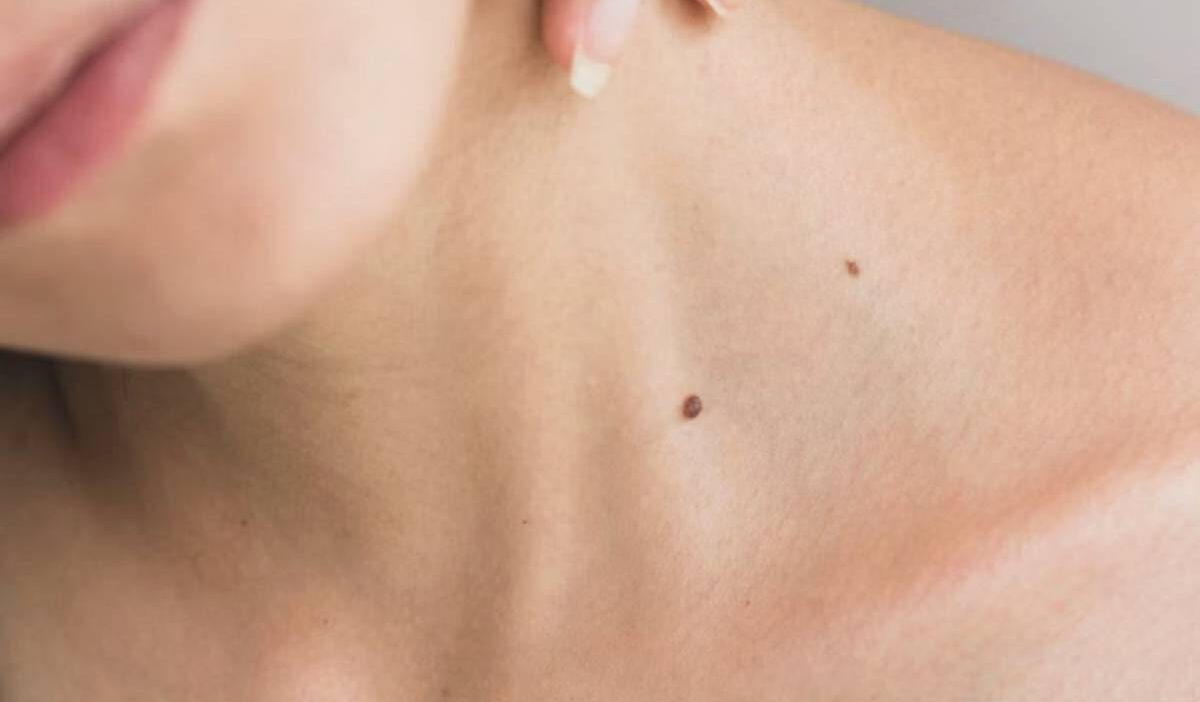
Noticing small growths appearing on your skin can be unsettling, especially when more than one shows up in the same area. It often leads to a natural concern: are skin tags contagious, and can they spread from one part of the body to another or even to other people?
The short answer is no, but understanding why requires a closer look at how skin tags actually form. Unlike infectious skin conditions, skin tags develop due to factors like friction and skin changes, which explains why they may appear in clusters without being contagious.
Taking a few minutes to understand what’s actually happening can help you avoid unnecessary worry or rushed decisions and approach the situation with a clearer, more grounded perspective.
1. Why People Worry About Skin Growths Spreading
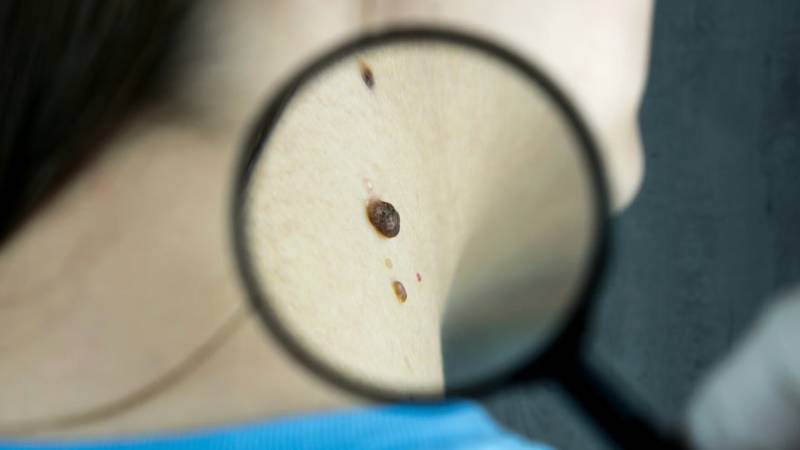
Concerns about skin growths spreading often come from how they appear on the body. When multiple small bumps show up close together or increase over time, it can create the impression that they are spreading from one area to another.
This concern is also influenced by conditions like warts or fungal infections, which can spread through contact. Because some skin growths may look similar at first glance, it is easy to assume they behave the same way.
As a result, questions about whether a condition can spread through touch, sharing items, or skin contact are common, especially when changes happen gradually.
2. Are Skin Tags Contagious?
Are skin tags contagious is a common question, especially when more than one growth appears over time. Despite how they may look, skin tags do not spread through contact or transfer from one person to another.
If you are wondering skin tags are they contagious, the answer remains the same. They are not caused by bacteria, viruses, or fungi, so they do not behave like infections that can spread.
Instead, they tend to form in specific areas due to factors like friction or skin changes, which is why they may appear in clusters without actually being contagious.
3. Why Skin Tags Are Not Contagious
Understanding are skin tags contagious becomes clearer when looking at how they actually form. Unlike infectious skin conditions, skin tags develop through internal and mechanical factors rather than external transmission.
3.1. They Are Not Caused by a Virus
Skin tags are not linked to viral infections.
Conditions like warts are caused by viruses and can spread through contact, which is why they are often mistaken for something similar. However, skin tags do not involve any infectious agent, meaning they cannot be passed from one person to another.
3.2. They Form From Friction and Skin Changes
Skin tags typically develop in areas where the skin experiences repeated friction.
This includes places like the neck, underarms, or folds of skin where movement and contact occur frequently. Over time, this friction can lead to small growths forming as the skin responds to constant rubbing.
These types of changes happen locally rather than spreading across the skin.
3.3. They Do Not Spread Through Contact
Direct contact does not cause skin tags to spread.
Touching, scratching, or having skin-to-skin contact with another person will not transfer skin tags. They remain limited to the areas where they form and do not behave like contagious skin conditions.
4. Why They Sometimes Appear in Clusters
Although are skin tags contagious is a common concern, the appearance of multiple growths is usually due to shared triggers rather than spreading.
4.1. Friction-Prone Areas
Clusters often form in areas where friction is consistent.
When the same part of the body is exposed to repeated rubbing, multiple skin tags can develop over time. This can make them appear grouped together, even though they formed independently.
4.2. Hormonal Changes
Hormonal shifts can influence skin growth patterns.
Changes during pregnancy or other hormonal fluctuations can increase the likelihood of skin tags forming in multiple areas at once. This can make them appear suddenly or in clusters.
4.3. Metabolic Factors
Certain metabolic conditions can also play a role.
Factors such as insulin resistance or weight changes can increase the chance of developing skin tags. These influences affect the body systemically, which explains why multiple growths may appear rather than a single isolated one.
>>> Read more: How to Remove Skin Tags in One Night: What’s Safe, What’s Not in 2026
5. How Skin Tags Differ From Warts
Understanding the difference helps clarify why are skin tags contagious is often confused with other conditions.
Skin tags are soft, flesh-colored growths that usually hang slightly off the skin. They feel smooth or slightly wrinkled and are commonly found in areas where the skin folds or rubs.
Warts, on the other hand, have a rougher texture and tend to feel firmer. They are often raised, may have a grainy surface, and can appear on hands, feet, or other exposed areas.
The main difference lies in the cause. Warts are caused by a viral infection and can spread through contact, while skin tags form due to friction or skin changes and do not spread.
This difference explains why one condition may appear contagious while the other does not behave the same way.
6. Should You Remove a Skin Tag?
Deciding whether to remove a skin tag depends on comfort, location, and any changes in appearance.
In most cases, skin tags are harmless and do not require treatment. However, removal may be considered if they become irritated, catch on clothing, or affect how the skin feels.
Medical removal methods such as freezing, cutting, or cauterizing are commonly used when needed. These approaches are typically quick and done with minimal discomfort.
It is generally recommended to avoid removing skin tags at home, especially if you are unsure about the diagnosis. Getting professional advice helps ensure that the growth is harmless and that removal is done safely.
>>> Read more: How to Remove Dead Skin From Feet Safely for Smooth, Healthy Heels in 2026
7. FAQs
Are skin tags contagious through skin contact?
Skin tags are not contagious and do not spread through skin-to-skin contact. Touching or sharing items with someone who has them will not cause new growths.
Can skin tags spread to other parts of the body?
Skin tags do not spread like infections. However, they may appear in multiple areas over time due to friction, hormonal changes, or other internal factors.
How can you tell if it is a skin tag or something else?
Skin tags are usually soft, flesh-colored, and hang slightly off the skin. If a growth looks different, changes quickly, or causes discomfort, it is better to have it checked.
Should you be worried if multiple skin tags appear?
Having several skin tags is common and usually not a sign of anything serious. They often develop in areas where the skin experiences repeated friction.
8. Conclusion
Are skin tags contagious is a common concern, but understanding how they form helps clear up the confusion. They are not caused by infections and do not spread through contact.
While they may appear in clusters or increase over time, this is usually due to shared factors like friction or skin changes rather than transmission.
Recognizing these differences makes it easier to approach them calmly and choose the right care if needed.
Follow 456 Skin for expert-backed skincare insights and practical tips you can trust.