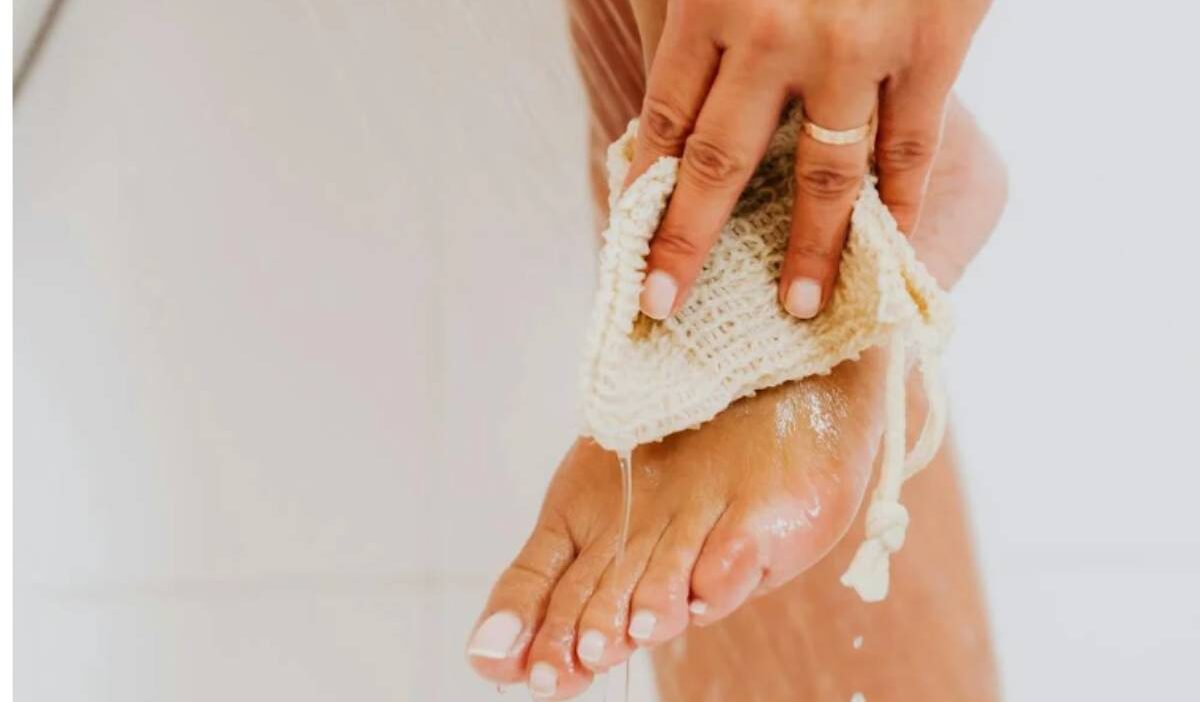
Dead skin buildup on the feet is common, especially on areas that handle pressure and friction daily. Over time, this can lead to rough texture, thickened skin, or even cracking if not managed properly.
How to remove dead skin from feet safely involves softening, exfoliating, and restoring moisture without damaging the healthy skin underneath.
With the right approach, it is possible to keep the feet smooth while maintaining skin balance.
1. Why Dead Skin Forms on the Feet
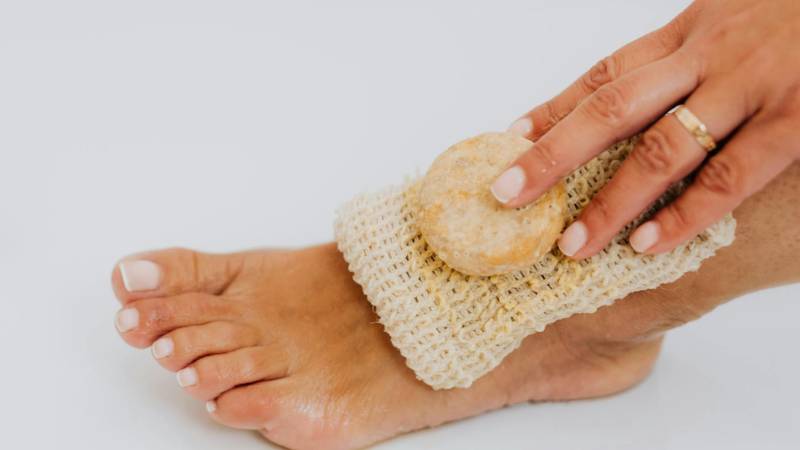
The skin on the feet is naturally thicker than other areas because it is designed to handle pressure from walking, standing, and daily movement. This constant stress signals the body to produce more skin cells as a protective response.
Over time, these extra skin cells do not shed evenly. Instead, they build up on the surface, leading to rough patches, thickened areas, and sometimes visible cracking, especially around the heels.
Friction from shoes also plays a major role. Tight footwear or repeated rubbing in certain areas increases skin buildup as the body tries to protect itself from irritation.
Dryness makes the situation worse. When the skin lacks moisture, it becomes less flexible and more prone to thickening. This combination of pressure, friction, and dryness is why dead skin forms more easily on the feet compared to other parts of the body.
>>>Read more: How to Remove Wax From Skin Safely Without Irritation or Damage: 3 Easy Ways
2. How to Remove Dead Skin From Feet Without Damaging Healthy Skin
How to remove dead skin from feet safely is not about removing as much skin as possible at once. The goal is to gradually reduce buildup while protecting the healthy skin underneath.
If you are looking for how to remove thick dead skin from feet home remedy, the most effective method combines softening, gentle exfoliation, and consistent hydration. Removing too much too quickly can lead to irritation or even more buildup as the skin tries to protect itself again.
2.1. Soften the Skin First With Warm Water
Softening the skin is the first and most important step.
Soaking your feet in warm water for about 10–15 minutes helps loosen the outer layer of dead skin. This makes it easier to remove buildup without applying excessive pressure.
Adding mild soap or a small amount of salt can help cleanse the area, but the main goal is to hydrate and soften the skin before exfoliation.
2.2. Gently Exfoliate Using a Pumice Stone or Foot File
Once the skin is softened, gentle exfoliation helps remove loosened dead skin.
Using a pumice stone or foot file in light, controlled motions allows you to gradually reduce thick areas. Focus on problem spots like the heels, but avoid overworking one area.
The key is consistency rather than force. Trying to remove thick layers in one session can damage the skin and lead to sensitivity or faster regrowth.
2.3. Apply Urea or Lactic Acid Cream After Exfoliation
After exfoliation, applying a treatment cream helps break down remaining buildup and support smoother skin over time.
Urea and lactic acid are commonly used because they help soften and gradually dissolve thickened skin. These ingredients continue working after application, making future exfoliation easier.
This step is especially helpful if you are dealing with how to remove thick dead skin from feet, as it prevents rapid buildup from returning.
2.4. Lock in Moisture With a Thick Foot Cream
Hydration is essential to prevent the skin from becoming dry and thick again.
Using a thick foot cream after treatment helps maintain softness and flexibility. Applying it regularly, especially at night, supports long-term results.
For better absorption, wearing socks after applying cream can help seal in moisture and keep the skin hydrated for longer.
3. Manual vs Chemical Exfoliation: Which Works Better?
When learning how to remove dead skin from feet, choosing the right type of exfoliation can make a big difference. Both manual and chemical methods work, but they target dead skin in different ways.
Manual exfoliation removes buildup physically from the surface, while chemical exfoliation helps dissolve it gradually over time. The most effective approach often depends on how thick the skin is and how sensitive your feet are.
3.1. Physical Tools (Pumice, Electric Files)
Physical tools like pumice stones and foot files are designed to remove dead skin directly.
They work best after soaking, when the skin is softened and easier to exfoliate. Light, consistent pressure helps reduce buildup without damaging the skin underneath.
Electric files can be more efficient for thicker areas, but they should still be used carefully. Applying too much pressure or overusing them can lead to irritation or thinning of healthy skin.
These tools are most useful for immediate smoothing, especially for visible rough patches and thickened heels.
3.2. Chemical Options (AHAs, BHAs, Urea)
Chemical exfoliants work by breaking down the bonds between dead skin cells, allowing them to shed more evenly.
Ingredients like AHAs (such as lactic acid), BHAs, and urea are commonly used in foot care products. They help soften thick skin and reduce buildup over time without requiring physical scrubbing.
This approach is especially helpful for maintaining results between exfoliation sessions. It is also a better option for those who prefer a more gradual method or have sensitive skin.
3.3. When to Combine Both
In many cases, combining both methods provides the best results.
Manual exfoliation can remove the outer layer of buildup, while chemical exfoliants continue to work beneath the surface. This helps prevent dead skin from accumulating again too quickly.
The key is balance. Using both methods in moderation allows you to improve texture without over-exfoliating or irritating the skin.
Read more: How to Get Nail Glue Off Skin: Safe and Effective Ways to Remove It at Home
4. How Often Should You Remove Dead Skin?
How often you should remove dead skin depends on how quickly buildup forms and how your skin responds to treatment. When following a routine for how to remove dead skin from feet, consistency matters more than frequency.
For most people, gentle exfoliation once or twice a week is enough to maintain smooth skin. Overdoing it can weaken the skin barrier and lead to more dryness or sensitivity.
If you are dealing with thicker buildup, you may need more consistent care, but it is still better to work gradually rather than trying to remove everything in one session.
Regular moisturizing between treatments helps reduce how quickly dead skin returns and keeps the skin more balanced over time.
5. FAQs
How to remove thick dead skin from feet listerine?
Soaking feet in a mixture that includes Listerine is sometimes used to soften thick skin before exfoliation. While it may help loosen buildup, it should be followed with gentle exfoliation and moisturizing to avoid dryness.
How to remove dead skin from feet using baking soda?
Baking soda can be used as a mild exfoliant when mixed with water to form a paste. Applying it gently to softened skin can help lift dead skin, but it should not be used too frequently to avoid irritation.
6. Conclusion
How to remove dead skin from feet effectively comes down to consistency and balance. Combining gentle exfoliation with proper hydration helps smooth the skin without causing damage.
With the right routine, it is possible to reduce buildup gradually and maintain softer, healthier-looking feet over time.
Follow 456 Skin for expert-backed skincare insights and practical tips you can trust.