
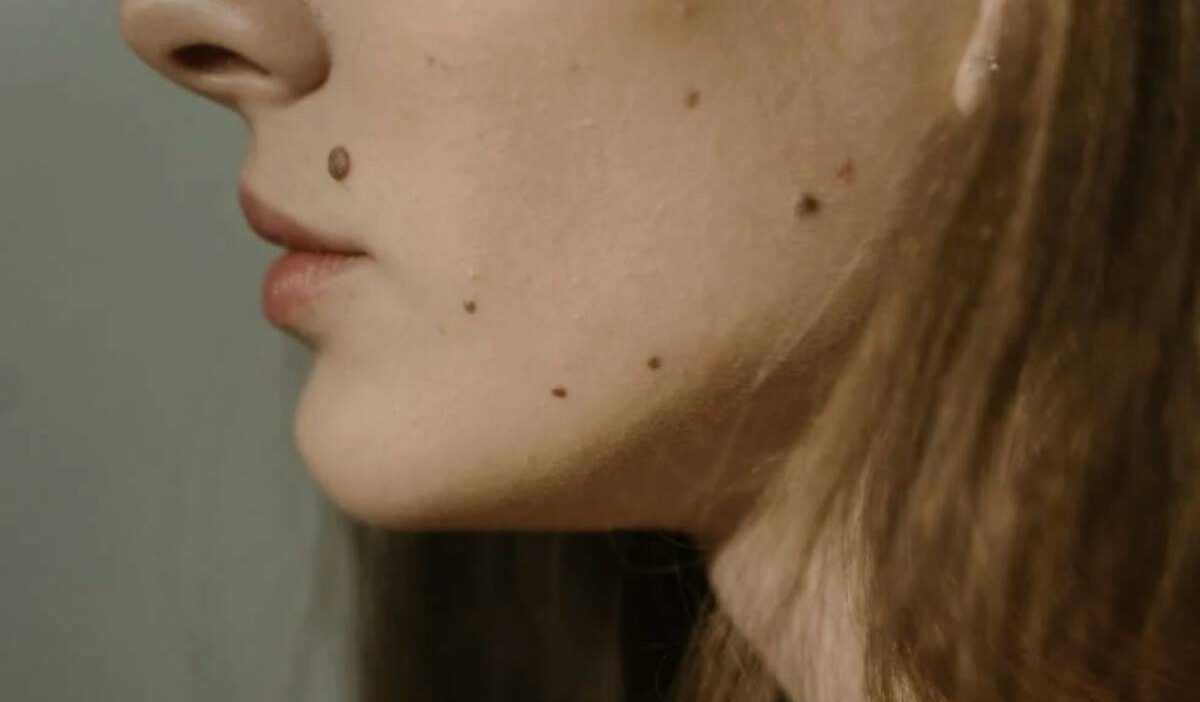
Skin growths can look similar at first, which often makes it difficult to tell what you are dealing with. Warts and skin tags are both common, but they develop for different reasons and do not behave the same way.
When comparing wart vs skin tag, the differences usually come down to texture, cause, and how each one appears on the skin. While most are harmless, recognizing these distinctions helps you understand what is normal and when a closer look may be needed.
1. Wart vs Skin Tag: Key Differences You Can Spot
At a glance, warts and skin tags can look similar, especially when they are small. But when you compare wart vs skin tag more closely, the differences in texture, appearance, and behavior become easier to recognize.
Warts are usually rough to the touch and may feel slightly hardened. Their surface can look uneven or grainy, and they sometimes have tiny black dots, which are small blood vessels. They can appear on hands, fingers, feet, or other areas exposed to contact.
Skin tags, on the other hand, are soft and flexible. They often hang off the skin by a small stalk and move slightly when touched. Their surface is smooth rather than rough, and they tend to match your skin tone or appear slightly darker.
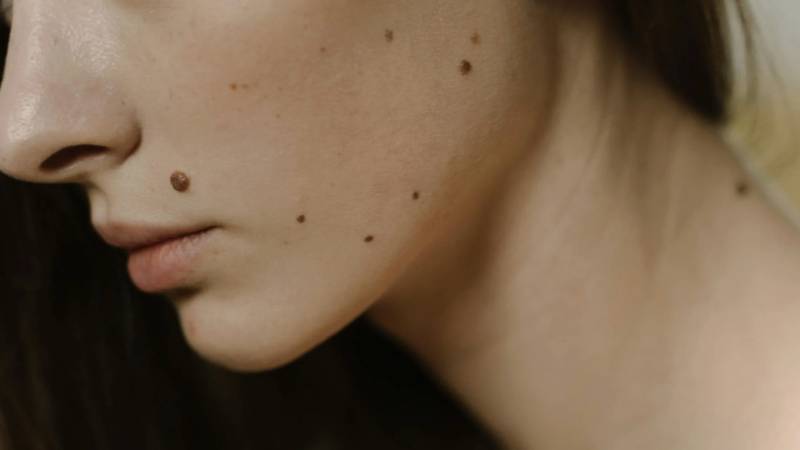
Another key difference is how they behave over time. Warts may spread or increase in number, especially with friction or contact. Skin tags do not spread, but they can grow slowly or become irritated in areas where the skin rubs together.
Looking at texture, location, and whether the growth spreads can usually help you distinguish between the two.
2. What Causes Warts vs Skin Tags?
The causes behind these two types of skin growths are very different, which is why they behave differently over time. When comparing wart vs skin tag, the key distinction lies in whether the growth is triggered by an external factor like a virus or internal factors such as friction and skin changes.
Viral Infection (Warts)
Warts are caused by certain strains of the human papillomavirus (HPV), which enters the skin through tiny cuts, cracks, or weakened areas of the skin barrier. Once inside, the virus stimulates rapid skin cell production, leading to a thickened, raised growth.
Because HPV is contagious, warts can spread through direct skin-to-skin contact or by touching surfaces where the virus is present, such as shared tools, towels, or floors in public areas. This is why they are more common on hands, fingers, and feet, where contact and minor skin damage occur more frequently.
The viral nature of warts explains why they may appear in clusters or increase in number over time, especially if the skin is repeatedly exposed to the same conditions.
Friction and Skin Folds (Skin Tags)
Skin tags develop from repeated friction rather than infection. Areas where skin rubs against skin or clothing create constant minor irritation, which can lead to small growths over time.
This process causes collagen fibers and blood vessels to become trapped within thicker layers of skin, forming a soft, flexible growth.
Common areas include the neck, underarms, groin, and eyelids, where movement and contact are frequent.
Unlike warts, skin tags are not contagious and do not spread. Their growth is usually gradual and limited to specific areas rather than appearing suddenly in multiple locations.
Hormonal and Metabolic Factors
In addition to friction, internal factors can influence the likelihood of developing skin tags. Hormonal changes, such as those during pregnancy, can increase skin growth activity, making skin tags more common.
Metabolic conditions, including insulin resistance, are also associated with a higher occurrence of skin tags. These factors affect how the skin responds to irritation and how quickly certain growths form.
3. Which One Is More Serious?
In most cases, both warts and skin tags are harmless. However, when comparing wart vs skin tag, the difference in seriousness comes from how each one behaves.
Warts are caused by a viral infection, which means they can spread to other areas of the body or to other people. They may also grow in clusters or become more noticeable over time if not treated.
While they are not dangerous, they can be persistent and sometimes uncomfortable, especially if they appear on pressure areas like the feet.
Skin tags, on the other hand, are non-contagious and do not spread. They are considered benign growths and usually do not cause medical concern. Most issues with skin tags are related to irritation, such as rubbing against clothing or jewelry.
The main concern arises when a growth does not clearly match either description. If something changes quickly, looks irregular, or behaves differently than expected, it is better to have it checked rather than assuming it is harmless.
Read more: Best Facial Cleanser for Aging Skin: What to Look For and Top Options for Dry, Mature Skin
4. Can You Remove a Wart or Skin Tag at Home?
At-home removal is possible in some cases, but it depends on the type of growth and how it is treated.
For warts, over-the-counter treatments are commonly used. These often contain ingredients that gradually break down the affected skin. Consistency is important, as removal can take time and may require repeated applications.
Skin tags are sometimes removed at home, but this carries more risk if done incorrectly. Cutting or pulling a skin tag without proper care can lead to bleeding, irritation, or infection.
When thinking about wart vs skin tag removal, the key difference is safety and certainty.
Warts are more commonly treated with at-home products, while skin tags are often better handled with professional methods, especially if the diagnosis is unclear.
If there is any doubt about what the growth is, it is safer to avoid at-home removal and seek proper evaluation.
5. FAQs
How can you tell the difference between a wart and a skin tag?
Warts are usually rough and may spread, while skin tags are soft, smooth, and attached by a small stalk. Texture and how the growth behaves over time are key differences.
Are warts or skin tags contagious?
Warts are contagious because they are caused by a virus, while skin tags are not and cannot spread from one area to another.
Should you remove a wart or skin tag yourself?
Warts can sometimes be treated at home with over-the-counter products. Skin tags are better removed with care, and professional treatment is often safer if you are unsure.
Conclusion
Wart vs skin tag comes down to differences in cause, texture, and behavior. Warts are linked to a viral infection and may spread, while skin tags are related to friction and tend to remain stable.
Most of the time, both are harmless, but recognizing the differences helps you decide how to manage them. Paying attention to changes and avoiding aggressive removal methods can help protect the skin and prevent unnecessary irritation.
Follow 456 Skin for expert-backed skincare insights and practical tips you can trust.