
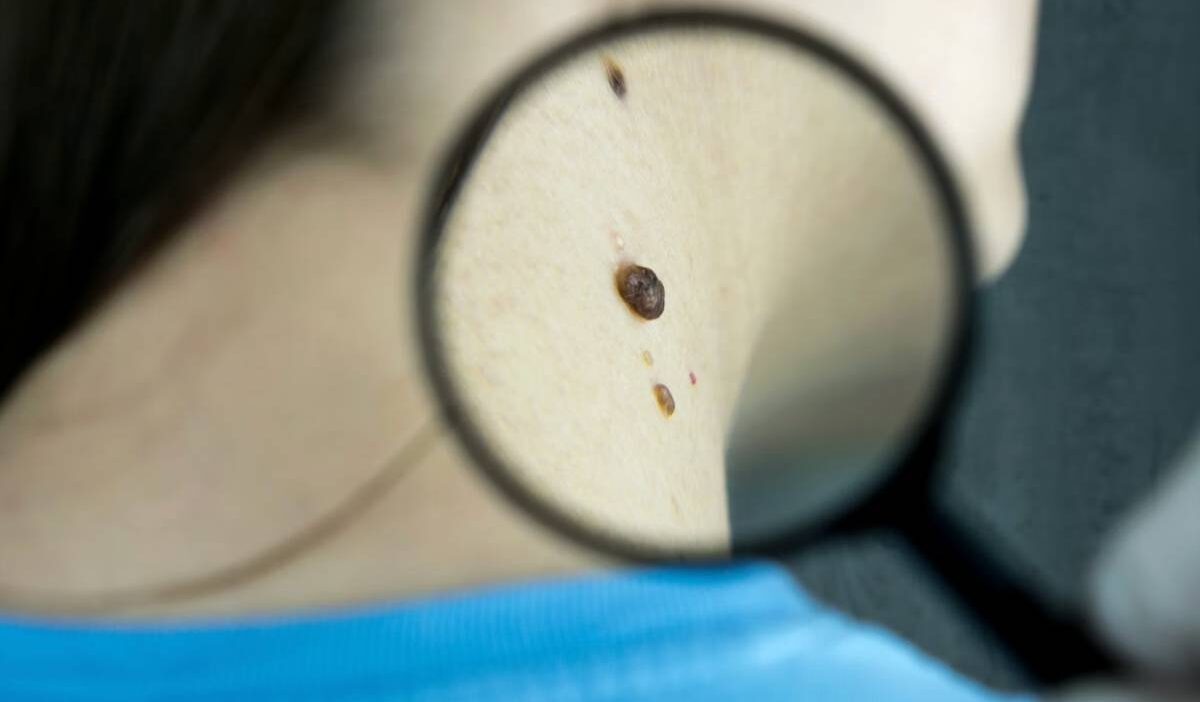
Skin tags are small, soft growths that often appear in areas where skin rubs together, such as the neck, underarms, or eyelids. While they are generally harmless, many people look into skin tag removal for comfort, hygiene, or cosmetic reasons.
The challenge is that not all removal methods are equally safe or effective. Some approaches can work well under professional care, while others, especially at home, carry risks if done incorrectly. This becomes even more important when dealing with sensitive areas like the eyelid.
In this guide, we break down the most common skin tag removal options, explain how each method works, and help you understand when it is better to handle it yourself and when to seek medical attention.
1. What Are Skin Tags and Why Do They Form?
Skin tags, medically known as acrochordons, are small, soft growths that hang off the skin. They are usually flesh-colored or slightly darker and can vary in size from a tiny bump to a few millimeters wide.
While concerns about skin tag on eyelid cancer are understandable, skin tags are non-cancerous and typically painless, though they may become irritated or tender if rubbed.
They tend to develop in areas where friction occurs repeatedly. Common spots include the neck, underarms, groin, under the breasts, and eyelids. This is why people who experience frequent skin rubbing or pressure are more likely to notice them over time.

Several factors may contribute to the formation of skin tags. Friction is the most common trigger, but hormonal changes, aging, and genetics can also play a role. They are more frequently seen in adults, especially after midlife, and may appear in greater numbers in people with insulin resistance or certain metabolic conditions.
Although skin tags are harmless, many people consider skin tag removal for practical reasons. They can become irritated by clothing, jewelry, or shaving, and in visible areas, they may be a cosmetic concern.
2. Skin Tag Removal Options Explained
There are several clinically recognized skin tag removal methods, each with a different approach depending on the size, location, and sensitivity of the area. While some are performed in a medical setting, others are available in over-the-counter formats. Understanding how each method works can help you decide what is appropriate for your situation.
Cryotherapy (Freezing)
Cryotherapy involves freezing the skin tag using liquid nitrogen. This extreme cold destroys the tissue, causing the tag to dry out and eventually fall off within a few days to a couple of weeks.
This method is commonly performed in dermatology clinics, where the temperature and application can be precisely controlled. It is generally quick and effective, but mild discomfort, blistering, or temporary skin discoloration can occur afterward.
Cauterization (Burning)
Cauterization removes a skin tag by applying heat to burn and seal the tissue. This process not only eliminates the tag but also helps reduce bleeding by sealing small blood vessels at the same time.
It is typically done by a healthcare professional using specialized equipment. While the procedure is fast, it may require local anesthesia depending on the size and location of the skin tag. Healing usually takes a few days, with minimal scarring when done correctly.
Surgical Snip Removal
Surgical removal involves cutting off the skin tag using sterile scissors or a scalpel. This is one of the most immediate methods, as the tag is removed in a single step.
Doctors often use this approach for larger or more prominent skin tags. A numbing agent may be applied beforehand to reduce discomfort. Because the tag is physically removed, there may be slight bleeding, but it is typically controlled quickly.
Over-the-Counter Freezing Kits
Over-the-counter freezing kits are designed to mimic cryotherapy but use less intense cooling agents than liquid nitrogen. These products are widely available and marketed for at-home skin tag removal.
While convenient, they are generally less effective for thicker or larger skin tags. Results may take longer, and multiple applications are sometimes needed. There is also a higher risk of irritation if the product is applied to surrounding healthy skin.
For this reason, these kits are usually better suited for small, non-sensitive areas rather than delicate regions like the eyelids.
3. Can You Remove Skin Tags at Home?
At-home skin tag removal can work in certain situations, especially when the growth is small and located in less sensitive areas like the neck or underarms. Many people try over-the-counter solutions or methods that slowly dry out the skin tag until it falls off.
These approaches usually rely on either freezing the tissue, applying topical formulas, or cutting off the blood supply so the tag shrinks over time. While they may be convenient, results are often slower and less predictable compared to professional treatments.
However, not every case is suitable for home removal. Skin tags that are large, irritated, or located in delicate areas require extra caution. This is particularly true for skin tag on eyelid removal at home, which carries a much higher risk due to how thin and sensitive the skin is around the eyes.
Using freezing kits or applying any active solution too close to the eye can lead to irritation, swelling, or accidental contact with the eye itself. Even small mistakes can cause discomfort or complications that are harder to manage outside a clinical setting.
Because of this, skin tag removal at home should be limited to low-risk areas. If there is any doubt about the growth or its location, it is safer to have it evaluated before attempting removal.
>>>Read more: Olive Skin Easy Explain: Undertones, Features, and How to Choose for 2026
4. How to Remove Skin Tag on Eyelid
When dealing with a skin tag on the eyelid, the safest and most reliable approach is to have it evaluated and removed by a medical professional. Because of the delicate location, precision is important to avoid unnecessary irritation or damage.
Doctors typically choose from a few methods depending on the size and placement of the skin tag. Surgical snip removal is often preferred for eyelids, as it allows for quick and controlled removal with minimal impact on surrounding tissue. In some cases, cauterization may also be used to reduce bleeding and support healing.
Before the procedure, a local anesthetic may be applied to keep the area comfortable. The removal itself usually takes only a few minutes, and recovery is relatively quick when proper aftercare is followed.
Even though the procedure of skin tag on eyelid removal is simple, attempting it in this area without medical guidance can lead to complications. If a growth appears unusual, changes over time, or causes discomfort, it is important to have it properly assessed rather than trying to remove it on your own.
5. How Long Does It Take for a Skin Tag to Fall Off?
The time it takes for a skin tag to fall off depends on the removal method used. Some approaches work almost immediately, while others take several days or even weeks.
For professional treatments such as surgical snip removal, the skin tag is removed instantly during the procedure. Cryotherapy and cauterization, on the other hand, typically cause the tissue to dry out and fall off within about 5 to 14 days.
At-home methods tend to be slower. Over-the-counter freezing kits or solutions that restrict blood flow may take multiple applications before the skin tag shrinks and eventually detaches. In some cases, it may take a few weeks to see full results.
Location also plays a role. Skin tags in areas with more friction, in some cases, might fall off sooner, while those in delicate areas like the eyelid require more cautious handling and may take longer to heal properly after treatment.
6. What to Expect After Skin Tag Removal
After skin tag removal, the treated area usually goes through a short healing process. Mild redness, slight swelling, or a small scab is common, especially within the first few days.
For most people, the skin heals without complications if the area is kept clean and protected. It is generally recommended to avoid picking at the site, as this can delay healing or increase the chance of scarring.
In some cases, there may be temporary discoloration where the skin tag was removed. This usually fades over time as the skin regenerates. Larger skin tags or those removed from sensitive areas may take a bit longer to fully heal.
If you notice persistent pain, signs of infection, or unusual changes in the skin, it is important to seek medical advice. While complications are uncommon, proper aftercare plays a key role in achieving the best outcome.
7. FAQs
Can a skin tag on the eyelid be cancerous?
Skin tags are typically benign and not cancerous. However, growths on the eyelid can sometimes be mistaken for other conditions. If a lesion changes in color, size, or shape, or causes discomfort, it should be evaluated by a healthcare professional to rule out more serious concerns.
How is a skin tag on the eyelid removed?
Skin tag removal on the eyelid is usually performed through minor medical procedures such as surgical snip removal or cauterization. These methods allow for precise and controlled removal, which is important in such a sensitive area.
Because of the location, attempting to remove a skin tag on the eyelid at home is not recommended. Professional treatment helps reduce the risk of irritation, infection, or accidental injury.
Can I remove a skin tag myself?
You can remove some small skin tags at home using over-the-counter methods, but it is not always the safest option. Incorrect removal can lead to bleeding, infection, or irritation. It is best to avoid self-removal for large skin tags or those located in sensitive areas.
What removes skin tags fast?
The fastest way to remove a skin tag is through professional methods such as surgical snip removal or cauterization, which can eliminate the growth immediately. Other methods like cryotherapy or at-home treatments may take several days or longer.
Will insurance cover skin tag removal?
In most cases, insurance does not cover skin tag removal if it is considered a cosmetic procedure. However, coverage may be possible if the skin tag causes medical issues such as irritation, bleeding, or interference with daily activities. It is best to check with your provider for specific details.
8. Conclusion
Skin tag removal can range from simple at-home methods to quick in-office procedures, depending on the size and location of the growth. While many skin tags are harmless, choosing the right approach is important to avoid unnecessary irritation or complications.
Understanding how each method works, how long it takes, and when to seek professional help allows you to make more informed decisions. For sensitive areas such as the eyelid, a careful and medically guided approach is always the safer option.
Follow 456 Skin for expert-backed skincare insights and practical tips you can trust.