Beef tallow for skin has gained renewed attention as part of the growing interest in traditional and minimalist skincare. Once a common ingredient in soaps and balms, this rendered animal fat is now promoted as a natural alternative to modern moisturizers. Supporters claim it deeply hydrates and strengthens the skin barrier, while critics question its suitability for acne-prone or sensitive skin.
Before applying it to your face, it helps to understand what it is, how it interacts with the skin, and whether it truly offers advantages over well-formulated skincare products. This guide explores the potential benefits, limitations, and safety considerations so you can decide if it fits your routine.
1. What Is Beef Tallow For Skin & Why People Apply It to Skin
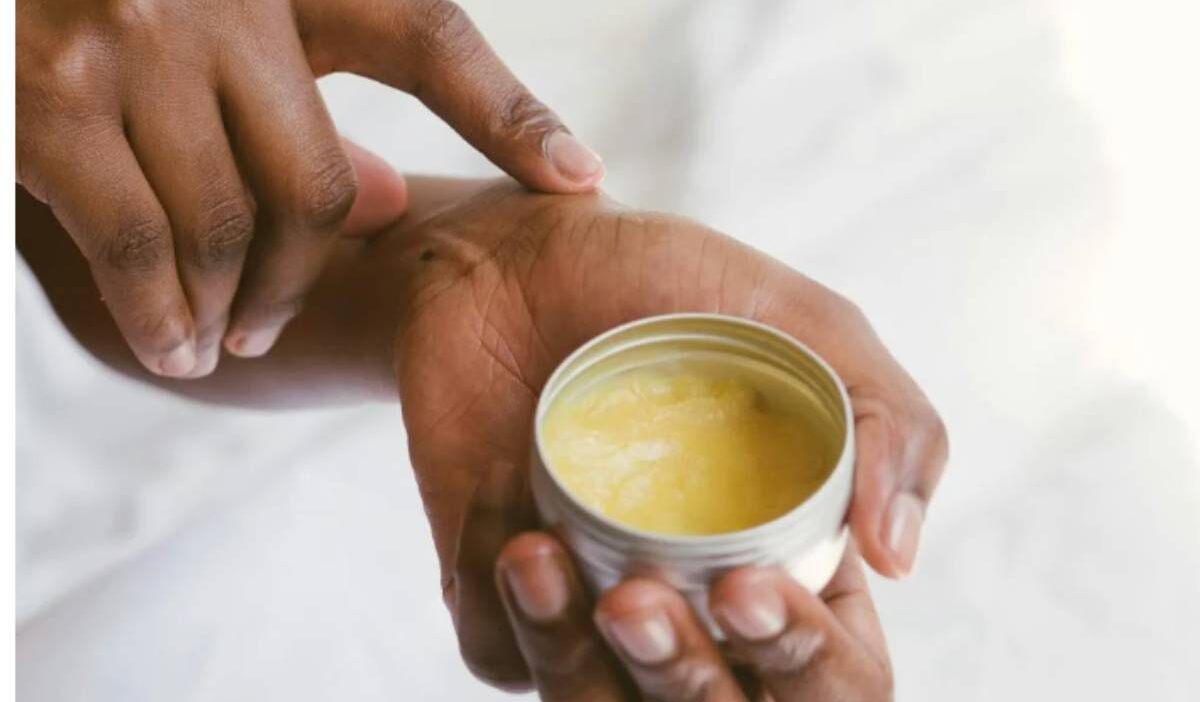
Beef tallow for skin refers to rendered fat from cattle that has been purified and cooled into a solid form.
Traditionally, it was used in soaps, balms, and ointments long before modern cosmetic formulations existed. Today, it is marketed as a simple, single-ingredient moisturizer that mimics the skin’s natural lipids.
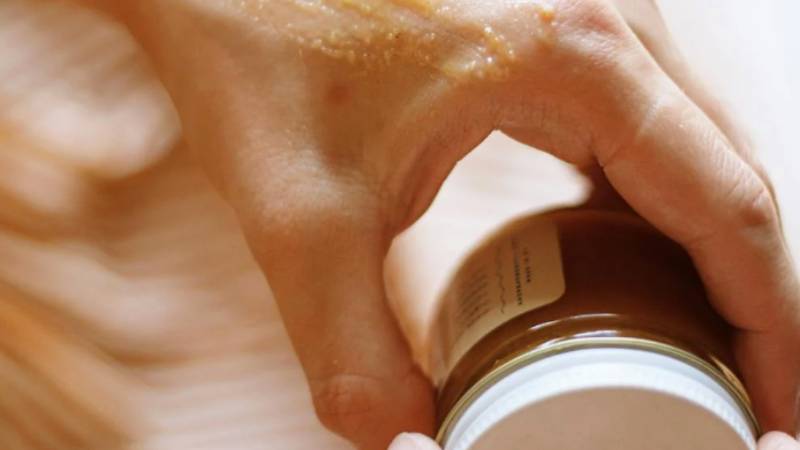
Many people ask, what does beef tallow do for skin? Tallow is rich in saturated and monounsaturated fats, which can help reduce water loss and soften rough areas.
Because its fatty acid profile contains components similar to those found in the skin barrier, it may help seal in moisture and improve dryness temporarily.
It acts primarily as an occlusive, meaning it creates a protective layer that reduces transepidermal water loss rather than actively treating underlying skin concerns.
People who prefer traditional or “ancestral” skincare approaches often choose it because it contains minimal additives. However, its effectiveness depends on skin type, formulation purity, and how it is applied.
2. Why Beef Tallow Is Trending in Skincare Again
Interest in beef tallow has resurfaced due to the growing popularity of natural, simplified routines. Social media platforms and online wellness communities often promote animal-based skincare as an alternative to synthetic ingredients. The appeal lies in the perception that fewer ingredients mean lower irritation risk.
There is also renewed curiosity about historical beauty practices. Before commercial moisturizers became widely available, animal fats were common in household remedies. This historical connection contributes to its modern revival.
At the same time, some consumers express concerns about preservatives, fragrances, and complex ingredient lists in conventional products. Beef tallow represents the opposite end of the spectrum: minimal processing and short ingredient lists.
However, natural origin does not automatically guarantee compatibility with every skin type.
3. Beef Tallow for Skin: Potential Benefits and Limitations
Beef tallow for skin can offer certain advantages for very dry skin or compromised skin, but it also has limitations. Understanding both sides helps create realistic expectations.
Deep Moisture for Very Dry Skin
Tallow forms a protective layer on the surface of the skin. This barrier reduces moisture evaporation and can relieve tightness in very dry areas such as elbows, heels, or extremely dehydrated facial skin. Individuals with severely dry skin may find it comforting, especially in cold or low-humidity climates.
Barrier Support From Saturated Fats
The fatty acids in tallow resemble some of the lipids naturally found in the skin barrier. These fats can help reinforce the outer protective layer, which may reduce irritation caused by dryness. For people with a weakened barrier, this occlusive effect can provide temporary relief.
Natural Vitamin Content
Beef tallow contains small amounts of fat-soluble vitamins such as A, D, E, and K. Vitamin A, in particular, is associated with skin renewal. However, the concentration and stability of these vitamins can vary depending on sourcing and processing methods.
Lack of Modern Stability Testing
Unlike regulated cosmetic formulations, raw or homemade tallow products may not undergo standardized testing for shelf stability, oxidation, or contamination. Without preservatives, the product can degrade or become rancid if not stored properly. In addition, tallow may feel heavy or clogging for acne-prone skin due to its occlusive nature.
While beef tallow for skin may provide moisture and barrier support for some individuals, it does not replace targeted treatments designed to address concerns such as acne, pigmentation, or signs of aging.
4. How Beef Tallow Compares to Modern Moisturizers
Beef tallow for skin functions primarily as an occlusive, meaning it helps seal in moisture by forming a protective layer on the surface. Modern moisturizers, on the other hand, are typically formulated with a balance of humectants, emollients, and occlusives. This combination allows them to both attract water into the skin and prevent moisture loss.
For example, many contemporary creams contain humectants like
- glycerin or hyaluronic acid to draw hydration into the skin,
- along with ceramides to reinforce the barrier and
- lightweight emollients to smooth texture.
These products are also tested for stability, safety, and compatibility with various skin types.
Tallow may feel rich and nourishing for very dry skin, but it does not provide the same targeted benefits as modern formulations designed to address acne, pigmentation, sensitivity, or aging concerns.
In addition, cosmetic products often undergo microbial testing and preservation processes to reduce contamination risk, which is not always the case with raw or homemade tallow preparations.
In short, beef tallow offers simplicity and strong occlusive properties, while modern moisturizers provide a more comprehensive and controlled approach to hydration and skin health.
>>>Read more: Different Skin Tones: How to Identify Yours and Proven Ways to Choose the Right Colors
5. Who Should Avoid Using Beef Tallow on Skin
Beef tallow may not be suitable for everyone. Individuals with acne-prone or oily skin may find it too heavy, as thick occlusive fats can potentially contribute to clogged pores. While not inherently comedogenic for all users, its dense texture may feel uncomfortable on skin that already produces excess oil.
People with sensitive or reactive skin should also proceed cautiously. Because tallow products can vary in purity and processing quality, there is a risk of irritation if the product contains impurities or has oxidized.
Those with known allergies to animal-derived products or ethical concerns about animal-based ingredients may prefer plant-based alternatives.
Additionally, individuals seeking targeted treatment for conditions such as hyperpigmentation, rosacea, or advanced signs of aging may benefit more from clinically formulated skincare products rather than relying solely on beef tallow for skin.
6. How to Patch Test Beef Tallow Safely
Before applying beef tallow for skin to your face or larger areas of the body, a patch test helps reduce the risk of irritation or breakouts. Because natural products can still trigger reactions, testing first is a simple precaution.
Apply to Small Area
Place a small amount on a discreet area such as the inner forearm or behind the ear. Spread a thin layer and leave it undisturbed. Avoid washing the area immediately so you can observe how your skin responds.
Monitor for 24–48 Hours
Check the test spot over the next one to two days. Redness, itching, swelling, or burning sensations may indicate sensitivity. If no reaction occurs within 48 hours, the product is more likely to be tolerated on larger areas.
Watch for Breakouts or Irritation
Even if there is no immediate redness, pay attention to delayed breakouts or clogged pores. Because beef tallow for skin is rich and occlusive, some individuals may notice congestion after several uses. If irritation or acne develops, discontinue use.
7. FAQs
Is beef tallow good for your skin?
Beef tallow can help reduce moisture loss and soften very dry skin due to its rich fatty acid content. However, it may feel too heavy for oily or acne-prone skin.
How to make beef tallow for skin?
Beef tallow is made by slowly heating beef fat to separate impurities from pure fat, then straining and cooling it until solid. Proper storage is important to prevent rancidity.
What are beef tallow for skin benefits?
Beef tallow for skin benefits may include improved moisture retention, temporary barrier reinforcement, and a smoother feel on very dry areas. Results vary depending on skin type and formulation quality.
8. Conclusion
Beef tallow for skin offers deep moisture and barrier support, particularly for very dry areas. Its simple composition appeals to those who prefer traditional skincare approaches.
However, it does not replace modern formulations designed for targeted concerns such as acne or pigmentation. Skin type, sensitivity, and product quality all influence how well it performs. Testing carefully and observing your skin’s response can help determine whether it fits your routine.
Follow 456 Skin for expert-backed skincare insights and practical tips you can trust.