Many men struggle with breakouts, excess oil, and irritation without knowing where to start. If you are searching for how to get clear skin for men, the solution is rarely complicated, but it does require consistency and the right approach.
Male skin tends to be thicker, oilier, and more reactive to shaving, which means it benefits from a routine tailored specifically to its needs.
This guide explains what actually works, why breakouts happen, and how to build habits that support clearer, healthier-looking skin over time.
1. Why Men’s Skin Breaks Out Differently
Men’s skin has structural and hormonal differences that directly affect how and why breakouts develop. Higher testosterone levels stimulate sebaceous glands, which means oil production is naturally higher. More oil increases the likelihood of clogged pores, especially when combined with dead skin cells and environmental debris.
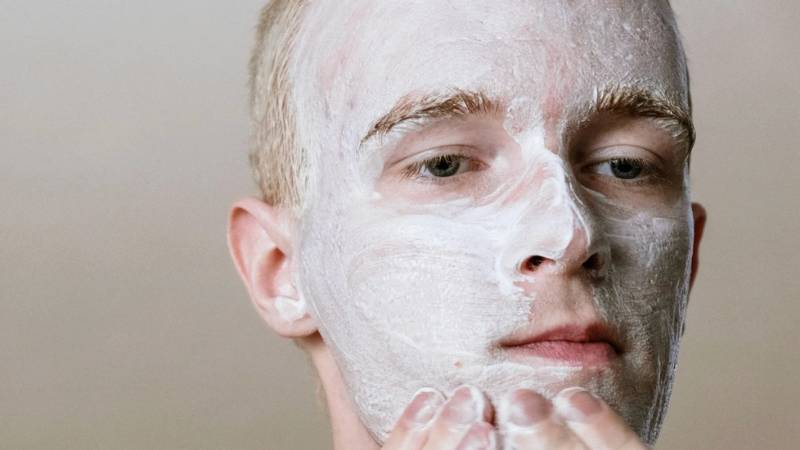
In addition, male skin tends to be thicker and slightly more collagen-dense. While this can delay visible signs of aging, it also means congestion may sit deeper before surfacing as inflamed acne. Frequent shaving adds another variable. Repeated friction, blade irritation, and micro-cuts weaken the barrier and create inflammation, making the skin more reactive.
Because of these biological and lifestyle factors, acne patterns in men often appear oil-driven, irritation-based, or a combination of both.
2. The Most Common Causes of Acne and Uneven Skin in Men
Breakouts rarely come from one single factor. Most cases result from overlapping triggers that affect oil balance, inflammation, and barrier health.
Excess Oil Production
Sebum is essential for protecting the skin, but overproduction creates problems. When oil mixes with dead skin cells inside pores, it forms blockages. Bacteria can then multiply within these clogged pores, leading to inflammation and visible pimples. This process is particularly common in the forehead, nose, and chin areas.
Razor Irritation and Ingrown Hairs
Shaving can trigger irritation if done too aggressively or with dull blades. Cutting hair too close to the surface may cause it to curl back into the skin, forming ingrown hairs. These bumps often resemble acne but are caused by trapped hair and localized inflammation rather than bacterial infection.
Sweat and Gym-Related Breakouts
Sweat itself is not harmful, but when it remains on the skin, it mixes with oil and bacteria. Tight clothing, helmet straps, and collars can trap moisture and create friction. Without cleansing after workouts, pores become more susceptible to congestion.
Poor Skincare Consistency
Using harsh products sporadically or constantly switching routines disrupts the skin barrier. Over-cleansing strips protective oils, while under-cleansing allows buildup to accumulate. Consistency with a balanced routine is more effective than aggressive treatments used occasionally.
3. How to Get Clear Skin for Men With a Simple Daily Routine
A complicated routine is not necessary. In fact, overly aggressive or product-heavy regimens often make breakouts worse. The key to how to get clear skin for men is consistency, balance, and using ingredients that address oil, inflammation, and barrier health without over-stripping the skin.
Cleanse Twice Daily Without Over-Drying
Cleansing removes excess oil, sweat, and debris that accumulate throughout the day and night. However, using harsh foaming cleansers can damage the protective barrier and trigger rebound oil production.
Choose a gentle cleanser formulated for combination or oily skin if you are acne-prone. Wash once in the morning to remove overnight oil buildup and once at night to clear sweat, pollution, and sunscreen. Lukewarm water is ideal, as hot water can worsen dryness and irritation.
Avoid scrubbing aggressively. Clean skin does not need to feel tight or squeaky. If your face feels overly dry after washing, your cleanser may be too strong.
Use Targeted Ingredients for Breakouts
Breakouts respond best to ingredients that address clogged pores and inflammation directly.
- Salicylic acid penetrates oil-filled pores and helps dissolve buildup.
- Benzoyl peroxide reduces acne-causing bacteria.
- Niacinamide can calm redness and regulate sebum production.
Introduce active ingredients gradually to avoid irritation. Using too many treatments at once often causes peeling and sensitivity, which may worsen breakouts rather than improve them.
Consistent use of one or two well-chosen ingredients is usually more effective than layering multiple strong actives.
Moisturize Even If You Have Oily Skin
Skipping moisturizer is a common mistake. Dehydrated skin may compensate by producing even more oil, leading to additional congestion.
Lightweight, non-comedogenic moisturizers support the barrier and reduce irritation from acne treatments. Ingredients like glycerin, ceramides, and hyaluronic acid help maintain hydration without clogging pores.
Balanced hydration improves overall skin resilience and can reduce visible inflammation over time.
Apply Sunscreen to Prevent Dark Marks
Post-acne dark marks often linger long after a breakout heals. UV exposure deepens discoloration and slows recovery. Daily sunscreen prevents pigmentation from becoming more noticeable and supports skin healing.
Choose a lightweight, oil-free sunscreen if you are prone to breakouts. Consistent sun protection is one of the most overlooked but important steps in maintaining clear, even-looking skin.
>>>Read more: Best Concealer for Mature Skin: Hydrating Formulas That Won’t Settle Into Fine Lines
4. Shaving Habits That Can Improve or Worsen Skin Clarity
Shaving is part of daily life for many men, and it can either support skin health or worsen irritation. Small technique adjustments can significantly reduce inflammation and ingrown hairs.
Use a Clean Razor
Old blades accumulate bacteria and become dull over time. A dull razor pulls at hair instead of cutting cleanly, increasing irritation and micro-tears. Replace blades regularly and rinse thoroughly after each use. Proper hygiene reduces inflammation and lowers the risk of razor bumps.
Shave in the Direction of Hair Growth
Shaving against the grain may feel smoother temporarily, but it increases the likelihood of ingrown hairs. Shaving in the direction of hair growth minimizes trauma and reduces the risk of inflammation.
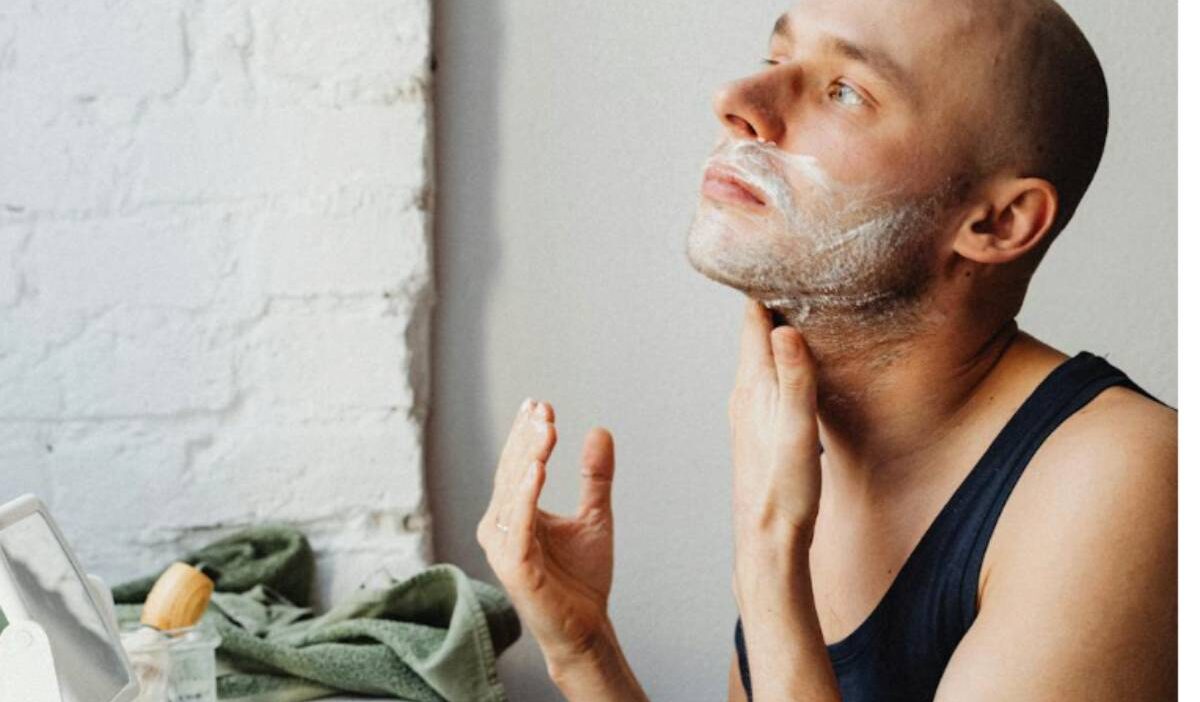
Using a gentle shaving cream or gel adds lubrication and protects the barrier during the process.
Apply a Soothing Aftershave
After shaving, the skin is more vulnerable. Alcohol-heavy aftershaves can cause dryness and irritation. Instead, choose soothing formulas containing ingredients like aloe vera, panthenol, or allantoin. These help calm redness and support recovery.
Barrier-friendly aftercare reduces the risk of post-shave bumps that resemble acne.
5. FAQs
How long does it take to see clearer skin?
Most people begin noticing improvement within four to six weeks of consistent care.
When following a structured approach to how to get clear skin for men, deeper or hormonal acne may take longer, especially if inflammation has been present for an extended period.
Do men need different skincare products than women?
Not necessarily different categories, but men often benefit from products that address higher oil levels and shaving-related irritation.
Choosing formulas suited to these factors can make how to get clear skin for men more effective and sustainable over time.
Can shaving cause breakouts?
Improper shaving technique can trigger inflammation and ingrown hairs, which may resemble acne.
Is moisturizer necessary for oily skin?
Yes. Proper hydration supports the barrier and can help regulate oil production.
What is the most important step in how to get clear skin for men?
Consistency. A simple routine followed daily is more effective than aggressive treatments used occasionally.
6. Conclusion
Clearer skin does not require complicated routines or harsh treatments. How to get clear skin for men comes down to managing oil production, preventing irritation, and maintaining a consistent daily routine.
Gentle cleansing, targeted treatment, proper hydration, sun protection, and smart shaving habits work together to reduce breakouts over time. With patience and steady care, visible improvement becomes achievable and sustainable.
Follow 456 Skin for expert-backed skincare insights and practical tips you can trust.