Super glue dries within seconds, and even a small spill can leave fingers stuck together or bonded to nearby surfaces. The tight, stiff feeling can be uncomfortable and stressful, especially when the adhesive hardens quickly. If you are searching for how to get super glue off skin, the key is to stay calm and avoid pulling the skin apart forcefully.
Super glue creates a strong surface bond, but safe removal is possible with the right techniques and a careful, step-by-step approach that protects the skin from irritation or injury.
1. Why Super Glue Sticks So Strongly to Skin

Super glue contains cyanoacrylate, a fast-acting adhesive that bonds almost instantly when it comes into contact with moisture. Because human skin naturally contains small amounts of moisture, super glue forms a strong bond within seconds.
That is why even a small drop can make fingers stick together or attach to nearby surfaces.
The adhesive creates a rigid layer that locks onto the outermost skin cells. While this bond feels strong, it typically affects only the top layer of skin. As those cells naturally shed over time, the glue will eventually loosen on its own.
However, most people prefer not to wait, which leads them to search for how to get super glue off skin safely and quickly.
2. How to Get Super Glue Off Skin Safely: Step-by-step guide
If you are wondering how to get super glue off your skin, the key is patience. Avoid pulling or tearing the bonded area apart, as this can damage the skin. Instead, follow gentle removal steps to gradually loosen the adhesive.
Soak in Warm, Soapy Water
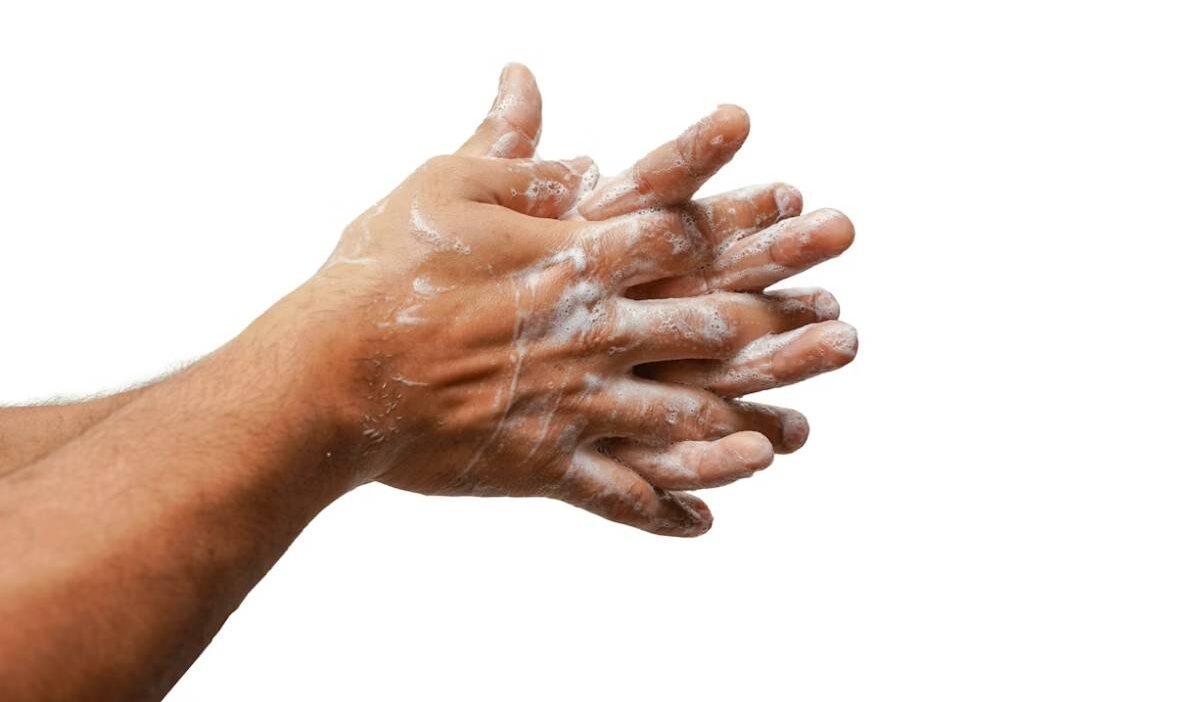
The first step in how to get super glue off skin is soaking the affected area in warm, soapy water for 10 to 15 minutes. The warmth helps soften the glue, while soap assists in breaking down surface tension. After soaking, gently rub the area with your fingers or a soft cloth. For minor glue contact, this step alone may be enough.
Use Acetone Carefully
Acetone is effective because it dissolves cyanoacrylate. Apply a small amount of acetone-based nail polish remover to a cotton pad and gently dab the glued area. Avoid soaking large areas of skin in acetone, as it can cause dryness and irritation. Once the glue begins to soften, you can carefully work it loose.
Gently Roll or Peel the Glue Off
After soaking or using acetone, try gently rolling the glue away from the skin with your fingers. Do not force it if it resists. If needed, repeat the soaking process and try again later. Taking your time reduces the risk of redness, peeling, or minor skin injury.
Using a calm, step-by-step method is the safest way to remove super glue while protecting your skin.
3. How to Remove Super Glue Without Acetone
If you do not have acetone available or prefer a gentler option, there are alternative ways to loosen adhesive. Many people search for how to get super glue off of skin without using strong solvents, especially if they have sensitive or dry skin. While these methods may take longer, they can help soften the glue safely.
Use Oils (Olive Oil or Coconut Oil)
Natural oils such as olive oil or coconut oil can help break down the adhesive bond gradually. Apply a generous amount to the affected area and massage it gently into the glue. Let the oil sit for several minutes to penetrate the hardened layer.
After soaking, try slowly rolling the glue away from the skin using your fingers or a soft cloth. You may need to repeat this process multiple times. This method works best when combined with prior soaking in warm water, as moisture helps soften the glue before applying oil.
Use Petroleum Jelly
Petroleum jelly creates a slippery barrier that can weaken the adhesive over time. Apply a thick layer to the glued area and cover it with a bandage for 30 minutes or longer. The occlusive effect helps soften the glue and makes it easier to peel away gently.
When using petroleum jelly, avoid forceful pulling. If the glue remains firmly attached, reapply and allow more time before trying again. Patience is essential when learning how to get super glue off of skin safely without acetone.
4. When to Seek Medical Help
Most cases of super glue contact can be treated at home. However, medical attention is necessary in certain situations.
Seek help if:
- The glue bonds eyelids, lips, or other sensitive facial areas
- A large area of skin is tightly bonded and cannot be separated
- Severe pain, blistering, or signs of chemical irritation occur
- Glue enters the eye
- You accidentally bond skin to another object and cannot safely detach it
In sensitive areas, attempting removal without guidance may cause injury. Healthcare professionals can safely separate bonded skin with appropriate tools and care.
5. Conclusion
Super glue on the skin can feel alarming at first, but most situations can be resolved safely with patience. Warm, soapy water or acetone-based products are commonly used to loosen the adhesive, while oils or petroleum jelly may help soften the bond over time. Pulling, peeling, or scraping the area can damage the skin and should be avoided. When handled carefully and without force, removing adhesive becomes much easier, making how to get super glue off skin a manageable situation rather than an emergency.
Follow 456 Skin for expert-backed skincare insights and practical tips you can trust.
6. FAQs
How long does super glue stay on skin?
If you are researching how to get super glue off skin, it helps to know that super glue usually wears off naturally within a few days as skin cells shed. However, it can often be removed sooner using safe, step-by-step methods at home.
Is it safe to pull super glue off skin?
No. Pulling glue off forcefully can tear the top layer of skin and cause irritation.
Can I use vinegar to remove super glue?
Vinegar may soften glue slightly, but it is less effective than acetone and may irritate sensitive skin.
What if my fingers are stuck together?
Soak them in warm, soapy water and gently work them apart. If they cannot be separated safely, seek medical assistance.
Can super glue damage skin permanently?
In most cases, it does not cause permanent damage. The adhesive typically affects only the outer layer of skin.