
Carrier restrictions are one reason many buyers now prefer unlocked SIM free phones over traditional contract devices. An unlocked phone gives users more flexibility to switch carriers, use travel SIM plans, or avoid long-term network commitments.
However, not every “SIM free” phone works exactly the same way, especially with newer eSIM setups and regional device differences.
1. What Are Unlocked SIM Free Phones?
Unlocked SIM free phones are devices that are not tied to a specific mobile carrier. Instead of being restricted to one network, these phones can usually work with multiple compatible carriers using physical SIM cards or eSIM activation.

Unlike carrier-financed phones, SIM free devices are typically sold without:
- Long-term contracts
- Mandatory monthly carrier plans
- Network restrictions
- Carrier approval requirements for switching providers
This flexibility is one reason more buyers are moving toward unlocked devices in recent years.
Many users now prefer unlocked phones because they allow easier:
- Carrier switching
- International travel usage
- Prepaid plan activation
- eSIM setup
- Resale value management
Unlocked phones also give buyers more freedom to compare lower-cost wireless plans instead of remaining tied to expensive contracts for several years.
However, “SIM free” does not always guarantee universal compatibility. Network support, regional hardware versions, and carrier band compatibility can still affect how well the device works.
2. Unlocked SIM Free vs Carrier-Locked Phones: Key Differences
Many buyers confuse unlocked phones with carrier-locked devices because the hardware may look identical at first. The main difference is how the phone connects to mobile networks.
| Features | Unlocked SIM Free Phones | Carrier-Locked Phones |
| Carrier flexibility | Works with compatible carriers | Restricted to one carrier |
| Contract requirement | Usually none | Often tied to contracts |
| Travel usage | Easier international SIM use | Roaming restrictions possible |
| eSIM flexibility | More carrier options | Carrier approval may be required |
| Resale value | Often higher | May be limited by lock status |
| Switching networks | Usually simple | Unlock request often required |
How Unlocked SIM Free Phones Work
Unlocked SIM free phones allow users to insert compatible SIM cards or activate supported eSIM plans without needing approval from a specific carrier.
Depending on the device, users may:
- Change carriers anytime
- Use prepaid plans
- Activate travel SIMs abroad
- Add secondary lines through eSIM
- Compare cheaper wireless providers
This flexibility is especially useful for frequent travelers and users who prefer avoiding long-term carrier financing.
How Carrier-Locked Phones Work
Carrier-locked phones are restricted to the network that originally sold the device.
These phones are often connected to:
- Installment plans
- Carrier promotions
- Contract agreements
- Device financing offers
Until the carrier officially unlocks the phone, users may be unable to:
- Switch networks freely
- Activate outside SIM cards
- Use some international eSIM plans
In many cases, carriers only approve unlocking after the phone is fully paid off and the account remains in good standing.
3. Can You Use Any SIM Card or Carrier with an Unlocked Phone?
In many cases, unlocked SIM free phones can work with multiple carriers, but compatibility still depends on the device model, network bands, and carrier technology.
An unlocked phone usually allows users to:
- Insert different physical SIM cards
- Activate supported eSIM plans
- Switch carriers without requesting approval
- Use international travel SIMs
However, “unlocked” does not always mean the phone supports every network perfectly.
Some factors that still matter include:
- GSM vs CDMA compatibility
- Regional device versions
- 5G band support
- eSIM availability
- Carrier certification requirements
For example, an unlocked international phone may still miss certain U.S. network bands even though the SIM itself activates successfully.
This is why checking carrier compatibility before buying remains important, especially for:
- International devices
- Refurbished phones
- Older smartphone models
- Imported phones sold online
Read more: Best Free Phone Plans in 2026: What You Actually Get
4. How to Verify a Phone Is Truly Unlocked Before You Buy
Not every phone advertised as “SIM free” is actually fully unlocked. Some devices may still carry hidden carrier restrictions, unpaid balances, or activation limitations.
Before buying unlocked SIM free phones, it helps to verify the device carefully.
Check the Listing Description and Source
The first step is reviewing how the seller describes the phone.
Reliable listings usually clearly state:
- Fully unlocked
- Factory unlocked
- Carrier unlocked
- SIM free compatibility
Buyers should also pay attention to warning signs such as:
- “Previously locked”
- “Works with select carriers only”
- “Activation restrictions may apply”
Trusted sellers and official retailers are usually safer than random third-party marketplaces with limited device information.
Run a Free IMEI Check Online
Every phone has a unique IMEI number that helps identify network and activation status.
A free IMEI check can sometimes reveal:
- Carrier lock status
- Blacklist history
- Lost or stolen reports
- Activation problems
- Warranty information
Many carriers and third-party IMEI checker tools offer basic verification services online before purchase.
Test with a Different Carrier’s SIM Card
One of the most reliable ways to confirm an unlocked device is testing another carrier SIM card directly.
If the phone activates successfully with a different network, it is usually unlocked properly.
Buyers can also test:
- eSIM activation
- Prepaid SIM compatibility
- International SIM functionality
This extra step can help avoid activation surprises after purchase.
5. What to Consider Before Buying Unlocked SIM Free Phones
Even though unlocked SIM free phones offer more flexibility, buyers should still check several important details before purchasing. Carrier compatibility, device condition, and future network support can all affect long-term usability.
Network Band Compatibility (GSM vs CDMA)
Not every unlocked phone supports every network equally.
Some devices work better on GSM-based carriers, while others may have limited compatibility with older CDMA networks or specific regional bands.
Before buying, users should verify:
- 4G and 5G band support
- Carrier compatibility
- Regional model differences
- VoLTE support
- International roaming compatibility
This is especially important for imported or international phone models.
New vs Refurbished and Warranty Coverage
Many unlocked phones sold online are refurbished instead of brand new.
Refurbished devices can lower costs significantly, but buyers should still confirm:
- Battery health
- Cosmetic condition
- Previous carrier lock status
- Warranty availability
- Return policies
Phones sold through trusted refurbishers usually offer safer purchase protection than unknown third-party sellers.
eSIM Support for Future Use
As more carriers move toward digital activation, eSIM support is becoming increasingly important.
Some unlocked SIM free phones now support:
- Dual SIM functionality
- Multiple eSIM profiles
- International eSIM travel plans
- Faster carrier switching
However, older models may still rely entirely on physical SIM cards.
Checking eSIM compatibility before buying can help avoid future activation limitations later.
6. Looking for a More Affordable Phone and Plan Option?
Unlocked phones can provide more carrier flexibility, but the total cost of both the device and monthly service can still become expensive over time.
For eligible households looking for lower-cost wireless service, the Lifeline program may offer another option worth exploring.
Lifeline is a federal assistance program that helps qualifying households receive discounted or free monthly wireless service through participating providers in supported areas.
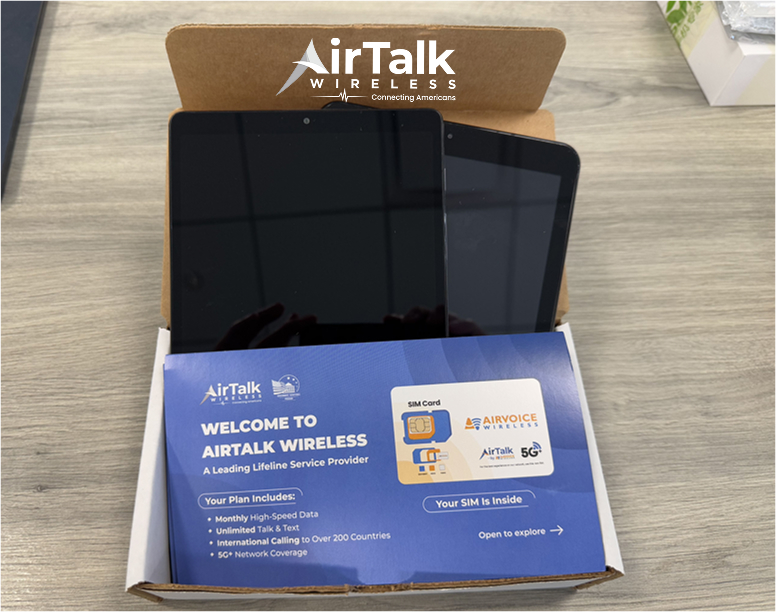
AirTalk Wireless is one of the providers participating in the Lifeline program. Depending on eligibility, users may qualify for:
- Free monthly talk, text, and data
- Compatible smartphone options
- SIM card or eSIM-compatible activation depending on the device
- Discounted upgrade phones in some cases
Qualification may depend on participation in programs such as Medicaid, SNAP, SSI, or through income eligibility requirements.
The application process usually includes:
- Entering a ZIP code
- Selecting a wireless plan
- Choosing an available device or SIM option
- Confirming eligibility
- Uploading documents if required
- Waiting for approval
Users can review available plans and compatible devices directly through AirTalk Wireless.
7. FAQs
Are SIM free phones unlocked?
In most cases, yes. SIM free phones are usually sold without carrier restrictions, which means they can work with compatible mobile networks. However, buyers should still confirm the device is fully unlocked before purchasing.
Can unlocked phones use eSIM?
Many modern unlocked phones support eSIM activation, although compatibility still depends on the carrier and device model.
Do unlocked phones work internationally?
Unlocked phones are often better for international travel because users can switch to local SIM cards or travel eSIM plans more easily.
Are unlocked phones more expensive?
Sometimes. Unlocked phones may cost more upfront because they are not subsidized through carrier contracts or installment plans.
8. Conclusion
Unlocked SIM free phones give users more flexibility to switch carriers, travel internationally, and manage wireless plans without long-term network restrictions. Carrier compatibility, eSIM support, and device condition still matter before buying, but choosing the right unlocked phone can make future network changes much easier and more affordable.