Most people think of a SIM card as a simple tool that connects a phone to a mobile network. Unfortunately, criminals see it as something much more valuable.
A SIM swapping attack allows scammers to take control of your phone number by transferring it to a SIM card they control. Once that happens, they may be able to intercept calls, text messages, and security codes that were meant for you.
1. What Is SIM Swapping (And Why It’s Surging)
SIM swapping is a type of identity theft in which a scammer convinces a carrier to transfer your phone number to a SIM card they control.
Once the transfer is completed, calls and text messages that were meant for you start going to the attacker’s device instead.
That can be a serious problem because many banks, email providers, and online accounts still use text messages for account recovery and two-factor authentication.
These attacks have become more common as phone numbers have become increasingly tied to financial accounts, cryptocurrency wallets, social media profiles, and other sensitive services.
For criminals, stealing a phone number can sometimes provide a shortcut to much larger targets.
2. How Scammers Actually Pull Off a SIM Swapping Attack
A successful SIM swap rarely starts with technical hacking. More often, it begins with information gathering and manipulation.
Social Engineering Carrier Reps
This is the most common method.
The attacker contacts the carrier and pretends to be the legitimate account owner.
Using personal information gathered from social media, phishing attacks, or public records, they attempt to convince a customer service representative to activate a new SIM card under the victim’s phone number.
If the verification process fails, the attack stops. If it succeeds, control of the number can be transferred within minutes.
Insider Threats at Carrier Stores
In some cases, scammers don’t need to fool anyone.
A dishonest employee with access to carrier systems may assist with unauthorized SIM transfers in exchange for money or other incentives. While carriers actively monitor for this type of abuse, insider threats have played a role in some high-profile SIM swapping cases.
Because of this risk, carriers have added stricter security controls and auditing procedures over the years.
Stolen Personal Info From Data Breaches
Many SIM swapping attacks begin long before the phone number is targeted.
Large-scale data breaches can expose information such as names, email addresses, phone numbers, passwords, and account details. Criminals then use that information to answer security questions, impersonate victims, or build convincing social engineering attacks.
The more personal information a scammer has, the easier it becomes to persuade a carrier that they’re the legitimate account holder.
3. What Hackers Can Do Once They Own Your Number
Once an attacker gains control of your phone number, they may be able to:
- Intercept two-factor authentication (2FA) codes sent by text message.
- Reset passwords for email, banking, or social media accounts.
- Lock you out of important online accounts.
- Impersonate you when communicating with contacts.
- Gain access to financial accounts that rely on SMS verification.
This is why SIM swapping is often used as a stepping stone to larger forms of fraud rather than as the final goal itself.
4. Defenses to Block SIM Swapping Attempts Today
The good news is that most SIM swapping attacks rely on weak account security, not advanced hacking techniques. A few preventive measures can make it much harder for scammers to take control of your number.
Set a Carrier PIN or Port Out Lock
Many carriers allow customers to add an extra security PIN or port-out protection to their account.
This creates an additional verification step before anyone can transfer your number to a new SIM card or carrier.
Switch From SMS 2FA to Authenticator Apps
Text-message authentication is one of the main reasons SIM swapping attacks are so valuable.
Whenever possible, use authenticator apps such as Google Authenticator, Microsoft Authenticator, or Authy instead of SMS-based verification codes.
Freeze Your Credit
Credit freezes can help prevent scammers from opening new accounts in your name if they obtain personal information during a SIM swapping attack.
It’s not a direct defense against SIM fraud, but it can reduce the damage if other personal information has been compromised.
Use Strong, Unique Passwords
A compromised email or carrier account often makes SIM swapping easier.
Using unique passwords for important accounts can prevent one breach from affecting multiple services.
Enable Multi-Factor Authentication Everywhere Possible
Even if you move away from SMS verification, additional authentication layers can still provide valuable protection.
Security keys and authenticator apps are generally stronger options.
Be Careful With Personal Information Online
Scammers frequently gather information from social media profiles, public records, and data breaches.
The less personal information that’s publicly available, the harder it becomes to impersonate you.
Watch for Unexpected Carrier Notifications
A text message about a SIM change, number transfer, or account update that you didn’t request should never be ignored.
These alerts are often the earliest warning signs of an attempted attack.
Secure Your Email Account
Many password resets ultimately depend on email access.
Protecting your primary email account is often just as important as protecting your phone number.
Review Carrier Account Activity Regularly
Checking your account periodically can help you spot unauthorized changes before they become larger problems.
Act Immediately if Service Suddenly Stops
One of the most common signs of SIM swapping is unexpectedly losing cellular service.
If your phone suddenly loses network access without explanation, contact your carrier immediately and verify that no unauthorized SIM transfer has occurred.
5. Lock Down Your Number for Good With This Quiet Upgrade
While the security steps above can significantly reduce risk, some users prefer to eliminate as many physical SIM-related vulnerabilities as possible.
Why eSIM Numbers Are Far Harder to Hijack
Unlike traditional SIM cards, eSIMs are embedded directly into the device and cannot simply be removed and inserted into another phone.
Attackers would typically need access to your carrier account and complete the carrier’s verification requirements before making changes. While no system is completely immune to fraud, eSIM removes some of the risks associated with physical SIM handling and unauthorized SIM replacements.
For users concerned about swapping SIM cards, eSIM can provide an additional layer of convenience and security.
How Eligible Households Get One Free Through Lifeline
AirTalk Wireless is a wireless service provider that participates in the federal Lifeline program, which helps eligible individuals and households access affordable phone service.
Depending on eligibility and device compatibility, users may qualify for free or low-cost service and choose between a physical SIM card or eSIM activation.
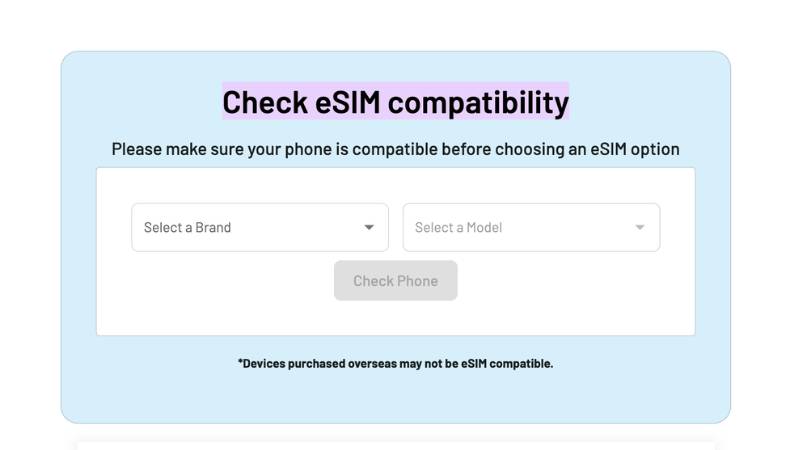
AirTalk also provides an eSIM Compatibility Checker that allows users to verify whether a device supports eSIM before applying.
6. FAQs
Can you swap SIM cards between phones?
Yes. In many cases, you can swap SIM cards between compatible unlocked phones. However, legitimate SIM transfers between your own devices are very different from SIM swapping fraud, which involves unauthorized control of someone else’s number.
How can I tell if someone has taken control of my phone number?
Sudden loss of cellular service, unexpected carrier notifications, failed login attempts, and unauthorized account changes are some of the most common warning signs.
Is eSIM safer than a physical SIM card?
While no technology is completely immune to fraud, eSIM removes the risk of someone physically removing or replacing your SIM card. However, protecting your carrier account remains just as important.
What should I do if my phone suddenly loses service for no reason?
Start by contacting your carrier immediately to verify that no unauthorized changes have been made to your account. It’s also a good idea to secure your email account, update important passwords, and review financial accounts for suspicious activity.
7. Conclusion
A SIM swapping attack can happen surprisingly quickly, but it usually follows a predictable pattern. Criminals attempt to gain control of your phone number because that number often serves as a gateway to email accounts, financial services, and online identities.
The most effective defense is a combination of strong account security, carrier protections, and awareness of the warning signs. Taking a few preventive steps today can make it much harder for scammers to turn your phone number into their next target.