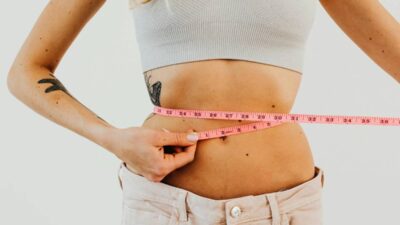
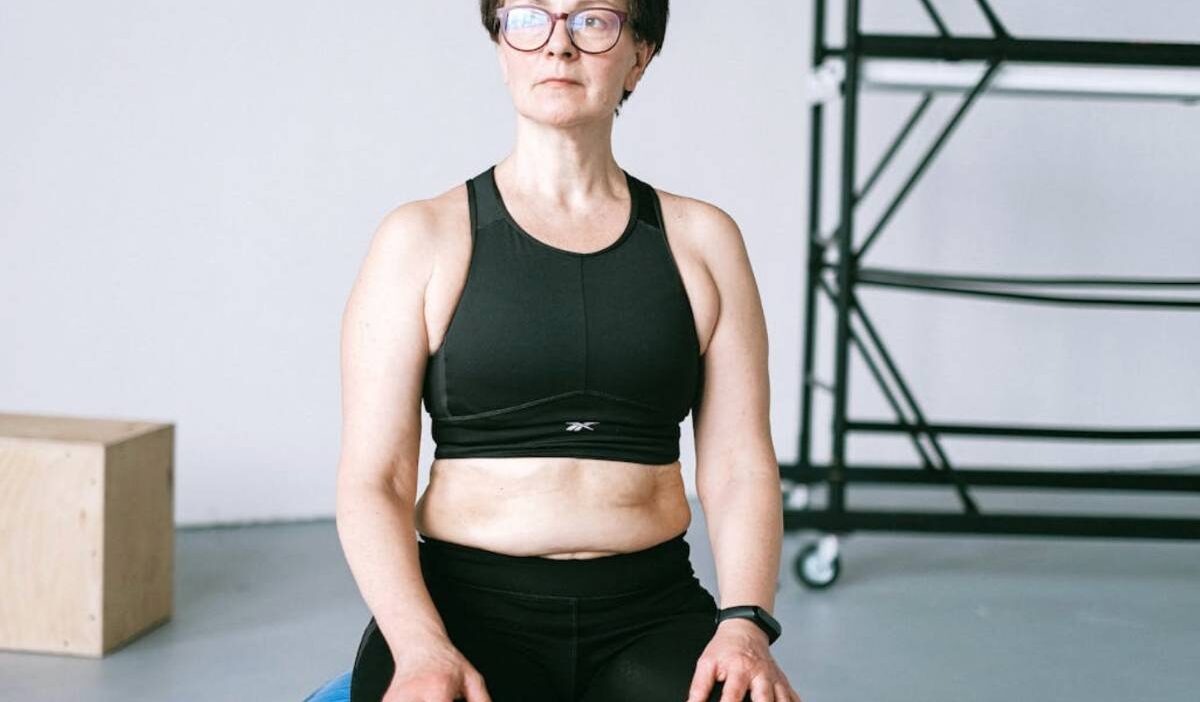
Weight loss can improve overall health and appearance, but many people worry about how their skin will respond during the process. Changes in body size can affect how tightly the skin fits, especially if weight is lost quickly.
How to avoid loose skin when losing weight often comes down to how the process is managed. With the right approach, it is possible to support skin elasticity and reduce the chances of noticeable sagging over time.
1. Why Loose Skin Happens When You Lose Weight
Loose skin develops when the skin has been stretched for a long period and cannot fully return to its original shape after weight loss.
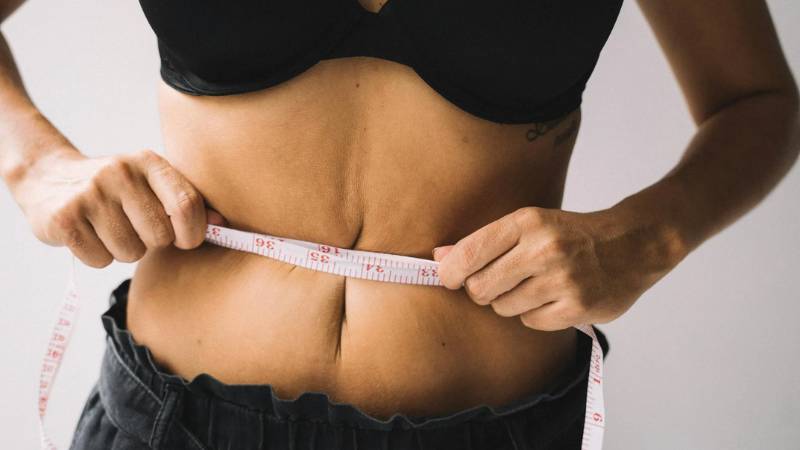
The skin is supported by collagen and elastin, which give it structure and flexibility. When the body expands, these fibers stretch to accommodate the increase in size. Over time, especially with significant weight gain, the skin may lose some of its ability to contract.
When weight is lost, the underlying fat volume decreases faster than the skin can adapt. If the skin’s elasticity is reduced, it may not tighten fully, leading to a looser appearance.
Factors such as age, duration of weight gain, genetics, and how quickly weight is lost all influence how the skin responds. This is why some people experience minimal changes, while others notice more visible looseness.
2. How to Avoid Loose Skin When Losing Weight
How to avoid loose skin when losing weight is not about a single method, but a combination of strategies that support the skin while fat is being reduced. The goal is to give the skin enough time and resources to adjust gradually.
Lose Weight at a Steady, Controlled Pace
Losing weight too quickly is one of the main reasons loose skin becomes more noticeable.
A slower, controlled pace allows the skin more time to adapt to changes in body size. This gradual process helps the skin contract more effectively instead of being left behind as volume decreases rapidly.
Maintain or Build Muscle While Losing Fat
Muscle helps fill out the space beneath the skin, reducing the appearance of looseness.
Incorporating strength training during weight loss supports muscle retention and growth. This can help maintain a firmer overall appearance, even as body fat decreases.
Eat Enough Protein to Support Skin Structure
Protein plays an important role in maintaining collagen and overall skin structure.
Consuming adequate protein supports the body’s ability to repair and maintain tissue, including the skin. This becomes especially important during weight loss, when the body is undergoing continuous change.
Stay Hydrated to Keep Skin Elastic
Hydration affects how flexible and resilient the skin feels.
Well-hydrated skin is more likely to maintain its elasticity, while dehydration can make the skin appear thinner and less responsive. Drinking enough water helps support the skin’s ability to adjust over time.
Support Skin With Consistent Care (Moisturizing & Sun Protection)
External care also plays a role in maintaining skin condition.
Using moisturizer regularly helps maintain the skin barrier and improve surface hydration, which can make the skin appear smoother. Sun protection is equally important, as UV exposure can break down collagen and reduce elasticity over time.
Together, these steps help support the skin while the body changes, making the overall transition more balanced.
>>>Read more: Essentials Skin Care Products: The Core Items Every Routine Truly Needs
3. What Makes Loose Skin More Likely (So You Can Avoid It)
How to avoid loose skin when losing weight also depends on understanding the factors that increase the risk. Some conditions make it harder for the skin to adapt, even when you follow a consistent routine.
Losing Weight Too Fast
Rapid weight loss is one of the biggest contributors to loose skin.
When fat is reduced quickly, the skin does not have enough time to adjust to the new body shape. This creates a gap between the skin and the underlying tissue, making looseness more visible.
Slowing down the rate of weight loss gives the skin more time to contract and respond to the change.
Losing a Large Amount of Weight
The more weight that is lost, the more the skin has been stretched over time.
When the skin has been expanded for a long period, its ability to return to its original shape may be reduced. This is especially noticeable after significant weight loss, where the skin may not fully tighten on its own.
This does not mean improvement is not possible, but the process may take longer and require more support.
Low Muscle Mass
Muscle plays a key role in maintaining a firm appearance under the skin.
When muscle mass is low, there is less structure beneath the skin, which can make looseness more noticeable. This is why weight loss without strength training may lead to a softer or less defined look.
Building or maintaining muscle helps support the skin and reduce the appearance of sagging.
4. Can You Fully Prevent Loose Skin? What to Expect
How to avoid loose skin when losing weight is often about reducing its severity rather than eliminating it.
In some cases, especially with moderate weight loss, the skin can adapt well and return close to its original shape. However, with larger or faster changes, some degree of looseness may still occur.
The skin continues to adjust over time, even after weight loss has stopped. This means that improvement can happen gradually as collagen and elasticity respond to consistent care.
Setting realistic expectations helps you focus on progress rather than perfection. Supporting the skin during and after weight loss often leads to better long-term results.
5. FAQs
Can loose skin tighten naturally after weight loss?
In some cases, the skin can tighten gradually, especially with smaller amounts of weight loss. Consistent care and time can improve how the skin looks.
How long does it take for skin to tighten after weight loss?
Skin tightening can take several months to over a year, depending on factors such as age, skin elasticity, and how much weight was lost.
Does exercise help reduce loose skin?
Exercise, especially strength training, helps build muscle, which can improve how firm the skin appears after weight loss.
6. Conclusion
How to avoid loose skin when losing weight comes down to managing the process in a balanced way. Factors such as pace, muscle support, nutrition, and skin care all influence how the skin responds.
While it may not always be possible to prevent loose skin entirely, taking the right steps can reduce its appearance and support a firmer, more even result over time.
Follow 456 Skin for expert-backed skincare insights and practical tips you can trust.