Finding a free iPhone for seniors is possible in 2026, but it depends on understanding how government-supported programs actually work.
Many older adults are looking for simple, reliable devices to stay connected with family, access healthcare, or manage daily tasks, and programs like Lifeline can help make that more affordable.
In this guide, you will learn who qualifies, what phone options are available for seniors, and how to apply step by step to get a device that fits your needs.
1. Can Seniors Really Get a Free iPhone?
Yes, getting a free iPhone for seniors is possible in 2026, but it does not happen through a direct government giveaway.
Instead, these offers come from providers of the Lifeline program, which is designed to help low-income individuals stay connected through discounted or free phone service.
Lifeline is a federal assistance program that provides a monthly subsidy for phone service or internet service.
Seniors who qualify through programs such as Medicaid, SSI, or SNAP can apply and receive benefits through approved providers. These providers may include a device as part of their offer, depending on availability.
In practice, this means seniors can often receive:
- Free monthly talk, text, and data
- A free smartphone as part of enrollment
- Access to discounted iPhones when available
However, it is important to set the right expectations. iPhones are not always guaranteed, as many providers prioritize basic devices.
iPhones typically appear in limited quantities or as upgrade options rather than standard free devices.
For seniors who prefer simplicity, basic flip phones are still available through some providers. These devices are designed with larger buttons, straightforward navigation, and long battery life.
However, many seniors are now choosing smartphones like iPhones because they support video calls, health-related apps, and easier communication with family members.
Overall, while a free iPhone for seniors is not guaranteed for everyone, it is still a realistic option when applying through the right provider and checking device availability at the right time.
2. Best Free iPhone Government Phones for Seniors
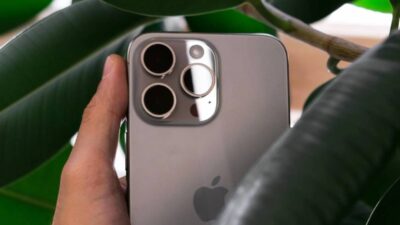
When applying for free iPhones for seniors, the available models are usually older generations, but they are still reliable, easy to use, and fully capable of handling everyday tasks.
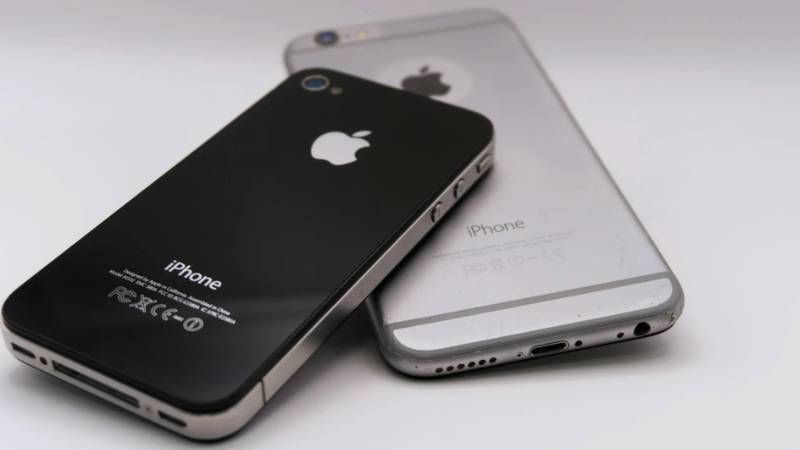
These devices are selected because they balance simplicity, performance, and compatibility with modern apps.
iPhone 7
The iPhone 7 is one of the most commonly offered devices. It features a simple design with a home button, making it easy for seniors who are not used to gesture-based navigation.
It supports essential apps like FaceTime, messaging, and basic browsing. For seniors who only need a phone for communication, this model is often more than sufficient.
iPhone 8
The iPhone 8 is a step up in performance and remains a popular choice. It includes Touch ID, which allows users to unlock the phone using their fingerprint instead of remembering passwords.
This makes it especially useful for seniors who prefer a more straightforward and secure way to access their device. It also runs smoothly for most daily tasks.
iPhone SE (2nd or 3rd Generation)
The iPhone SE combines a familiar design with newer internal hardware. It still has a home button, but it offers faster performance and longer software support.
This makes it a strong option for seniors who want a device that will continue working well for several years without needing frequent upgrades.
Discounted Newer iPhones
In some cases, providers may offer newer iPhone models at a reduced price instead of completely free. These offers usually appear during promotions and may vary depending on your location.
While not always $0, these discounted options allow seniors to access more advanced features, such as improved cameras and better battery life, at a much lower cost than buying retail.
3. How Can a Senior Get a Free iPhone?
To get a free iPhone for seniors, the most important factor is eligibility. Without qualifying for the Lifeline program, you will not be able to access any free or discounted device offers.
There are two main ways seniors can qualify:
Program-based eligibility
This is the most common path. Seniors automatically qualify if they participate in government assistance programs such as:
- Medicaid
- Supplemental Security Income (SSI)
- SNAP (Food Stamps)
- Federal Public Housing Assistance (FPHA)
- Veterans Pension or Survivors Benefits
This method is usually faster because eligibility can often be verified automatically.
Income-based eligibility
If a senior is not enrolled in a qualifying program, they may still qualify based on household income. In most cases, income must be at or below 135% of the Federal Poverty Guidelines, depending on the state.
There are also a few important rules to keep in mind:
- Only one Lifeline benefit is allowed per household
- The applicant must provide accurate and verifiable information
- Device availability depends on location and provider inventory
Once eligibility is confirmed, the next step is choosing a provider that actually offers iPhones or upgrade options.
Read more: Get a Free iPhone from the Government: Real Ways to Qualify in 2026
4. Choose a certified Lifeline provider
Not all Lifeline providers offer the same devices or experience. After confirming eligibility, selecting the right provider becomes a key step, especially for seniors who want an iPhone instead of a basic phone.
AirTalk Wireless as a Lifeline provider
Among certified providers, AirTalk Wireless is often chosen by users who want more flexibility in device options and a smoother application process.
Instead of limiting users to entry-level smartphones, AirTalk Wireless tends to offer a wider range of devices, including iPhones and discounted upgrades when available. This makes it a more suitable option for those specifically looking for a free iPhone for seniors.
Some advantages of choosing AirTalk Wireless include:
- A broader selection of devices compared to many providers
- Ongoing promotions that may include iPhones
- Simple online application without in-person steps
- Fast processing when eligibility is verified automatically
- Nationwide availability across most states
Note: Eligibility varies by state and program. Offers depend on availability and qualifications. AirTalk Wireless operates under the federal Lifeline Program as an Eligible Telecommunications Carrier (ETC). Service is non-transferable and limited to one service per household.
Apply for your free government iPhone
Once you have selected a provider, the next step is completing your application. With AirTalk Wireless, the process is designed to be straightforward and can be done entirely online.
Here’s how to apply:
Step 1: Visit the AirTalk Wireless website
Start your application through the official website.
Step 2: Select a state by entering your ZIP code
Choose your state to confirm service availability and see eligible plans.
Step 3: Choose a Lifeline plan
Select a plan that includes free talk, text, and data.
Step 4: Review available iPhone options
Browse available devices. Depending on inventory, you may find free iPhones or discounted upgrades.
Step 5: Fill in the essential information
Provide the essential information for auto-verification.
Step 6: Upload documents if required
If needed, submit proof of identity or program participation.
Step 7: Submit your application
Complete and send your application for review.
Step 8: Receive your device
Once approved, your iPhone will be shipped to your address, ready to use.
5. FAQs
Is there any way to get an iPhone for free?
Yes, eligible individuals can get an iPhone for free through Lifeline-supported providers. However, availability depends on location and inventory, and not all models are offered at no cost.
Is there an iPhone for seniors?
There is no iPhone specifically made only for seniors, but many models are well-suited for older users due to their simple interface, accessibility features, and ease of use.
Is the government giving away free iPhones?
The government does not directly give away iPhones. Programs like Lifeline provide subsidies to providers, which may include free or discounted smartphones as part of their offers.
6. Conclusion
Getting a free iPhone for seniors is possible in 2026, but it depends on eligibility, provider selection, and device availability. Lifeline remains the main pathway, allowing seniors to access free service and, in some cases, smartphones at no cost.