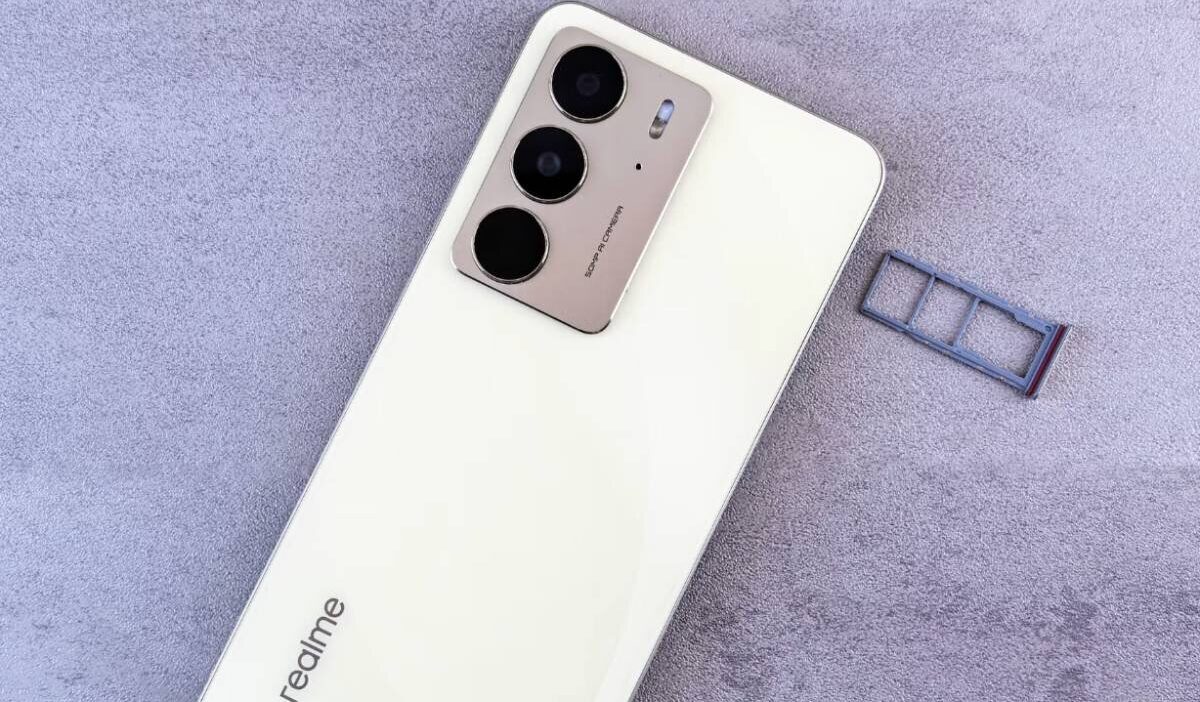
Buying a new Android phone often raises a simple question: how much is a SIM card for Android? The price depends on your carrier, plan type, and whether you use a physical SIM or eSIM.
This guide explains typical SIM card costs for Android users, including free options and hidden fees to watch for before activation.
1. How Much is a SIM Card for Android?
The short answer is that most Android SIM cards cost between $0 and $15, depending on where you get them and whether activation is included.
In many cases, the SIM card itself is inexpensive. The larger cost usually comes from the service plan, activation fees, or starter kits bundled with the SIM. Some carriers even provide SIM cards for free when you sign up for a new line.
If your Android phone supports eSIM, you may not need a physical SIM card at all.
2. SIM Card Prices by Carrier
How much is a SIM card for Android varies depending on the type of provider and the kind of service you’re purchasing.
Major U.S. Carriers
Large nationwide carriers often charge anywhere from $0 to $15 for a SIM card. Sometimes the fee is waived during promotions or included as part of a new-line activation.
However, it’s important to look beyond the SIM card price itself. Activation fees and monthly service charges can add considerably more to the total cost.
Prepaid and MVNO Carriers
Prepaid providers and MVNOs often offer some of the lowest SIM card costs.
Many sell starter kits for $1 to $10, while others provide free SIM cards when you purchase a qualifying plan. These options are popular among users looking for lower monthly bills without long-term commitments.
International and Travel SIMs
Travel SIM cards are designed for temporary use and international connectivity. Prices typically range from $10 to $50+, depending on the countries covered and the amount of included data.
While the upfront cost is usually higher than a domestic SIM card, travel SIMs can help avoid expensive roaming charges when visiting other countries.
3. Free SIM Card Options for Android Users
Not every Android user needs to pay for a SIM card. Depending on the provider and your eligibility, there are several ways to get one at little or no cost.
Carrier Sign-Up Promotions
Some providers offer free SIM cards as part of a new customer promotion. In these cases, the SIM card fee is often waived when you activate a qualifying plan.
These promotions change frequently, so it’s worth checking current offers before purchasing a SIM separately.
Lifeline-Based Carriers
Eligible households may qualify for a free SIM card or eSIM through the Lifeline program.
Participating providers can supply both the SIM and the service plan as part of enrollment, eliminating the need to purchase a SIM card on your own. This can be one of the most affordable ways to get Android service if you meet the program requirements.
Free Trial eSIMs
Some carriers and mobile providers offer free eSIM trials that allow users to test a network before committing to a paid plan.
Because the service is delivered digitally, there’s no physical SIM card to purchase or install. As long as your Android phone supports eSIM, activation can often be completed within minutes.
4. Hidden Fees to Watch For When Buying an Android SIM
A SIM card may look inexpensive at first, but the total how much is a SIM card for Android cost can be higher than expected once additional charges are added.
One common fee is the activation charge, which some providers require when starting a new line.
Others may bundle the SIM card into a starter kit that includes service credits, making the advertised SIM price appear lower than the actual cost.
It’s also worth checking for shipping fees if you’re ordering online. A free SIM card isn’t always completely free once delivery costs are added.
Before purchasing, review the total cost of activation, shipping, taxes, and the first month of service rather than focusing only on the SIM card price.
5. Pay $0 for a SIM, $0 a Month: How Lifeline Actually Works
If you’re researching how much is a SIM card for Android, you may also qualify for a way to reduce or eliminate that cost entirely.
The Lifeline program is a federal assistance program that helps eligible users access discounted or free mobile service through participating providers. In some cases, users may receive a SIM card or eSIM along with monthly talk, text, and data at no cost.
One provider that participates in the program is AirTalk Wireless, which offers Lifeline-supported wireless service in many areas. Depending on eligibility, you may receive a physical SIM card or eSIM for your Android device.
Who May Qualify
You may be eligible if your household income is at or below 135% of the Federal Poverty Guidelines or if you participate in programs such as SNAP, Medicaid, SSI, Federal Public Housing Assistance, Veterans Pension, or Survivors Pension.
Eligibility rules vary by state, so it’s important to check your local requirements before applying.
Apply Once with AirTalk, Activate Your Free eSIM the Same Day
Getting started is usually straightforward:
- Step 1: Enter your ZIP code and choose a plan
Select your preferred Lifeline plan and decide whether to use your current Android phone or explore available device offers.
- Step 2: Check eSIM compatibility
Verify whether your device supports eSIM using the AirTalk’s compatibility tool.
- Step 3: Complete and submit your application
Fill out the application, upload any required documents, and wait for approval.
- Step 4: Wait for approval
Your application will be reviewed, and you’ll be notified once it’s approved.
- Step 5: Activate your service
Once approved, activate your SIM card or eSIM on your Android device and start using your service.
For compatible Android phones, eSIM activation can often be completed the same day without waiting for a SIM card shipment.
>>> Read more: Can You Put an Android SIM Card in an iPhone? (2026 Real Answer)
6. FAQs
How much is a SIM card for Android?
Most SIM cards cost between $0 and $15, although pricing varies by provider and promotions.
Do I need a new SIM card when switching Android phones?
Not always. If the new phone is compatible with your carrier and uses the same SIM size, you can often move the existing SIM card to the new device.
Can I get a free SIM card?
Yes. Some providers offer free SIM cards through promotions, free trials, or programs such as Lifeline for eligible households.
Is eSIM cheaper than a physical SIM card?
In many cases, yes. Because eSIM activation is digital, some providers eliminate SIM card and shipping fees entirely.
Can all Android phones use eSIM?
No. eSIM support depends on the manufacturer, model, carrier, and region.
7. Conclusion
The answer to how much is a SIM card for Android depends on the provider, plan, and activation method you choose. While many SIM cards cost only a few dollars, activation fees and service plans can increase the total cost.
For eligible users, programs such as Lifeline may provide a SIM card or eSIM and monthly service at little or no cost, making it worth exploring your options before paying out of pocket.