
Henna is designed to leave a long-lasting stain, which is why it can be difficult to remove once it sets into the skin. While the color fades naturally over time, many people look for ways to speed up the process.
How to remove henna from skin safely involves gradual fading rather than instant removal. Using the right methods can help lighten the stain faster without causing irritation or dryness.
1. Why Henna Stains the Skin So Deeply
Henna creates a stain by binding to the outer layer of the skin rather than sitting on top of it.
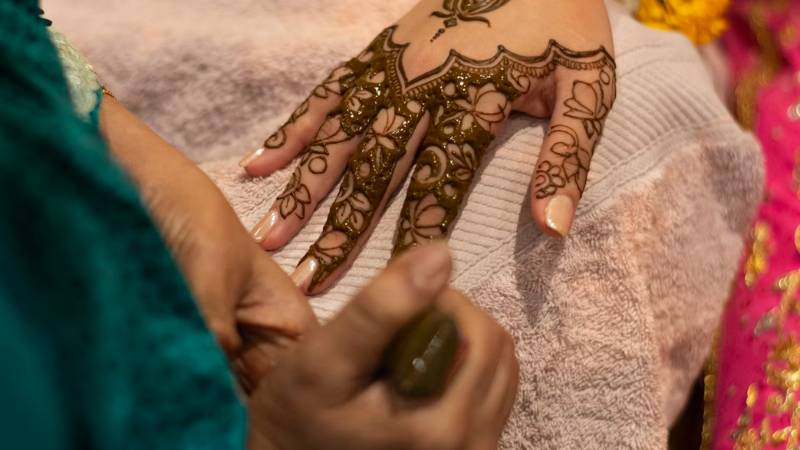
The active compound in henna, called lawsone, penetrates the top layer of skin cells and reacts with keratin. This process creates a deeper, longer-lasting color compared to surface stains like food coloring or paint.
Because of this binding process, the stain cannot be simply washed off. It fades gradually as the skin naturally sheds and renews itself over time.
This is why many people search for how to remove henna when the color appears darker or lasts longer than expected. Instead of removing it instantly, most methods focus on speeding up the natural fading process.
2. How to Remove Henna From Skin Safely
How to remove henna from skin safely is about gradually lifting the stained skin cells without damaging the healthy layer underneath. Since henna binds to the outer layer, the goal is to support gentle exfoliation and surface breakdown.
If you are looking for how to remove henna more quickly, combining a few mild methods works better than relying on a single strong approach.
2.1. Exfoliate Gently to Speed Up Fading
Exfoliation helps remove the top layer of stained skin cells.
Using a gentle scrub, soft cloth, or mild exfoliating product can gradually lighten the color. This works best after showering, when the skin is softer and easier to exfoliate.
It is important to avoid aggressive scrubbing. Removing too much at once can irritate the skin and slow down the overall fading process.
2.2. Use Oil to Break Down Surface Stain
Oil helps loosen the outer layer of the stain and soften the skin.
Applying oils such as olive oil, coconut oil, or baby oil can help break down surface pigment and make exfoliation more effective. Letting the oil sit briefly before wiping improves the result.
This method is especially useful for fading darker areas gradually without causing dryness.
2.3. Try Baking Soda and Lemon (With Caution)
A mixture of baking soda and lemon juice is sometimes used to lighten stains.
Baking soda provides mild exfoliation, while lemon may help slightly brighten the area. However, this combination can be drying or irritating if used too often.
Applying it gently and limiting use helps reduce the risk of irritation, especially on sensitive skin.
2.4. Use Warm Salt Water Soaks
Soaking the skin in warm salt water can help soften the stained layer.
This makes it easier for the skin to shed naturally and allows other methods to work more effectively. It is a mild approach that can be repeated without causing significant irritation.
Over time, regular soaking combined with gentle exfoliation can help the stain fade more evenly.
3. What Actually Helps Henna Fade Faster
When thinking about how to remove henna from skin, the focus should be on speeding up natural skin renewal rather than trying to erase the stain instantly.
Since henna binds to the outer layer, anything that supports gentle turnover will help lighten it over time. Regular, mild exfoliation is one of the most effective approaches. Removing surface cells gradually allows the stained layer to shed faster without damaging the skin underneath.
Keeping the skin hydrated also plays a role. Well-moisturized skin tends to renew more evenly, which helps the color fade in a more consistent way rather than in patches.
Combining methods, such as soaking, applying oil, and gentle exfoliation, often gives better results than relying on one step alone. The key is consistency rather than intensity.
4. What Not to Use on Henna Stains
Trying to remove henna too aggressively can do more harm than good.
Strong chemicals or harsh cleaning agents should be avoided. These can irritate the skin without effectively removing the stain, since the pigment is not just sitting on the surface.
Over-scrubbing is another common mistake. Applying too much pressure can damage the skin barrier and lead to redness or sensitivity, which slows down recovery.
Highly acidic or abrasive mixtures can also cause dryness or irritation if used too frequently. Even when using home remedies, moderation is important to avoid disrupting the skin.
Focusing on gradual fading helps protect the skin while still improving the appearance of the stain.
5. How Long Does Henna Usually Last?
Understanding how long henna lasts can help set realistic expectations when learning how to remove henna from skin.
Henna typically lasts between one to two weeks, depending on how deeply the stain has developed and where it is applied. Areas with thicker skin, such as the palms or soles, tend to hold color longer.
The color also changes over time. It often appears darker within the first 24 to 48 hours before gradually lightening as the skin renews itself.
Factors such as washing frequency, exposure to water, and skincare habits can influence how quickly the stain fades. Regular cleansing and gentle exfoliation can help speed up this process without causing irritation.
>>>Read more: Large Pores Blackheads: Why They Happen and How to Treat Them Effectively
6. Can You Remove Henna Overnight?
Removing henna overnight is unlikely because the stain binds to the outer layer of the skin.
Most methods can only lighten the color slightly in a short time rather than remove it completely. Even with stronger approaches, the pigment fades gradually as the skin renews itself.
Using a combination of soaking, oil application, and gentle exfoliation may help reduce the intensity faster, but it still requires multiple sessions. Trying to force rapid removal often leads to irritation rather than better results.
A gradual approach is more effective and safer for the skin.
7. FAQs About Removing Henna
How to remove a henna tattoo?
Removing a henna tattoo involves gradually fading the stain through exfoliation, oil application, and regular washing. Since the pigment binds to the skin, it cannot be removed instantly but can be lightened over time.
How to remove henna from hair?
Henna in hair is more difficult to remove because it binds to the hair shaft. It usually fades slowly with repeated washing, but complete removal may not be possible without allowing the color to grow out.
8. Conclusion
How to remove henna from skin comes down to supporting natural fading rather than trying to erase it instantly. Gentle exfoliation, hydration, and consistent care help reduce the stain over time without damaging the skin.
With the right approach, the color will fade evenly as the skin renews itself.
Follow 456 Skin for expert-backed skincare insights and practical tips you can trust.