Wax can stick to the skin more than expected, especially after hair removal or accidental contact with melted wax. Trying to pull it off directly can cause discomfort or irritation, making the situation worse.
How to remove wax from skin safely comes down to breaking down the residue rather than forcing it off. With the right approach, both soft and hardened wax can be removed gently without damaging the skin.
1. Why Wax Sticks to Skin in the First Place
Wax is designed to grip hair and adhere to the surface of the skin during removal. This strong adhesion is what allows it to pull hair effectively, but it also explains why residue can sometimes remain behind after the process.
When wax is applied, it spreads across both the hair and the top layer of the skin. As it cools, it hardens and forms a bond not only with the hair but also with the outermost layer of skin cells. If the removal step is not done cleanly in one motion, parts of the wax may stay attached.
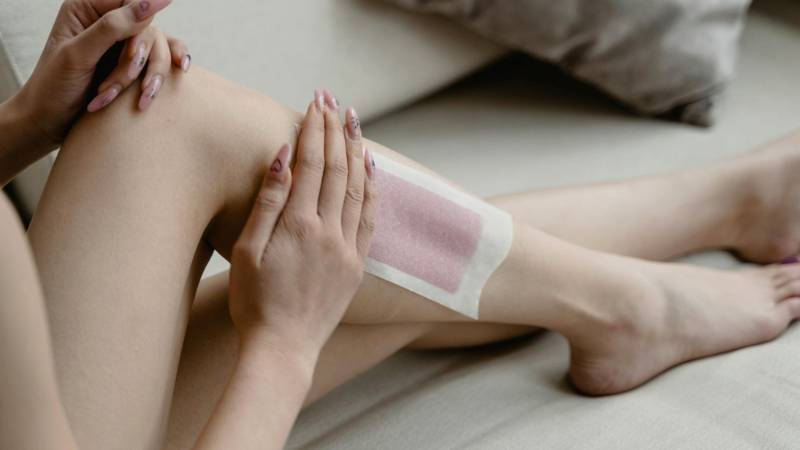
Texture also plays a role. Areas with uneven skin, fine hair, or natural folds make it easier for wax to settle into small gaps. This increases the chance of leftover residue, especially when the wax is applied too thinly or removed at the wrong angle.
Skin condition can further influence how wax behaves. Natural oils, sweat, or leftover skincare products may either weaken or strengthen the wax’s grip. In some cases, these factors cause the wax to spread more and cling more firmly instead of lifting cleanly.
Temperature is another factor. If the wax cools too much before removal, it becomes more rigid and difficult to lift in one piece. On the other hand, if it is too soft, it may smear rather than detach properly.
Because of all these factors, leftover wax is common. This is why removal should focus on softening or dissolving the wax instead of pulling it off forcefully, which can irritate or damage the skin.
2. How to Remove Wax From Skin Safely
How to remove wax from skin safely involves loosening the bond between the wax and the skin instead of pulling it off directly. Whether you are dealing with soft residue or figuring out how to remove hard wax from skin, the key is to soften or dissolve the wax first.
If you are trying to understand how to remove wax residue from skin without irritation, using gentle, step-by-step methods helps protect the skin while still removing the wax effectively.
2. 1. Use Oil to Dissolve the Residue
Oil is one of the most effective ways to break down wax because it helps dissolve its structure.
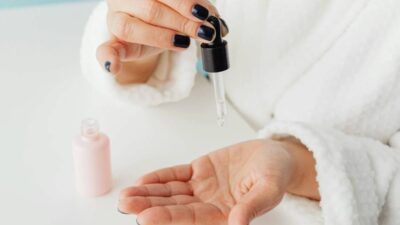
Applying a small amount of oil, such as olive oil, coconut oil, or baby oil, allows it to penetrate the wax and loosen its grip on the skin. Let it sit for about 30–60 seconds before gently massaging the area.
As the wax softens, it will begin to lift away more easily. This method works especially well for sticky residue that does not come off with water alone.
2.2. Apply Warm Compress to Soften Hardened Wax
For hardened wax, heat helps reduce rigidity and makes removal easier.
Place a warm, damp cloth over the area for a short period. The warmth softens the wax, making it more flexible and less tightly bonded to the skin.
This step is especially useful when dealing with how to remove hard wax from skin, as it prevents the need for forceful removal.
2.3. Gently Wipe Instead of Pulling
Once the wax has been softened or dissolved, removal should be done gently.
Use a soft cloth, cotton pad, or tissue to wipe the area. Avoid pulling or scraping, as this can irritate the skin or cause small abrasions.
If some wax remains, repeat the process instead of increasing pressure. Gradual removal is more effective and helps maintain the skin barrier.
>>>Read more: Best Face Wash for Aging Skin: What to Look For and How to Choose the Right Formula
3. Removing Different Types of Wax
How to remove wax from skin can vary depending on the type of wax involved. Each type has a different texture and composition, which affects how it sticks and how it should be removed safely.
3.1. Hair Removal Wax
Hair removal wax is designed to adhere strongly to both hair and skin, so residue is common if the strip does not lift cleanly.
For leftover wax, oil-based methods work best. Applying a small amount of oil helps break down the wax and loosen its grip on the skin. Letting it sit briefly before wiping makes removal easier and reduces the need for pressure.
It is important to avoid pulling at leftover wax directly, as this can irritate the skin, especially in sensitive areas.
3.2. Candle Wax
Candle wax behaves differently because it hardens more firmly as it cools.
If the wax is still slightly soft, oil can help dissolve it. If it has fully hardened, applying a warm compress first helps soften the wax and reduce its grip on the skin.
Once softened, it can be gently lifted or wiped away. Trying to peel off hard candle wax without softening it first may cause discomfort or redness.
3.3. Sugaring Paste
Sugaring paste is water-based, which makes it easier to remove compared to traditional wax.
In most cases, warm water alone can dissolve any leftover residue. Gently rinsing the area or using a damp cloth helps break down the paste without the need for additional products.
This makes sugaring one of the more skin-friendly options when it comes to cleanup.
>>>Read more: How to Get Nail Glue Off Skin: Safe and Effective Ways to Remove It at Home
4. FAQs
How to remove veet wax from skin?
To remove Veet wax from skin, applying oil is usually the most effective method. It helps dissolve leftover residue so it can be wiped away gently without irritating the skin.
How to remove excess wax from skin?
Excess wax can be removed by softening it first with oil or a warm compress, then wiping it away with a soft cloth. Avoid pulling or scraping, as this can cause irritation.
5. Conclusion
How to remove wax from skin safely depends on softening or dissolving the wax rather than forcing it off. Using gentle methods like oil or warmth helps lift residue without damaging the skin.
With the right approach, different types of wax can be removed effectively while keeping the skin comfortable and protected.
Follow 456 Skin for expert-backed skincare insights and practical tips you can trust.