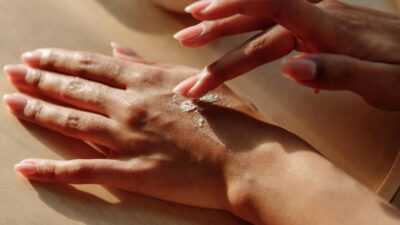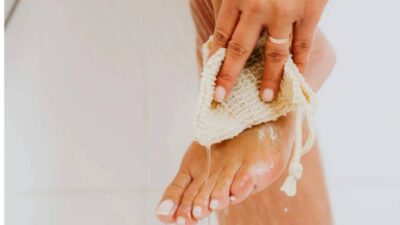
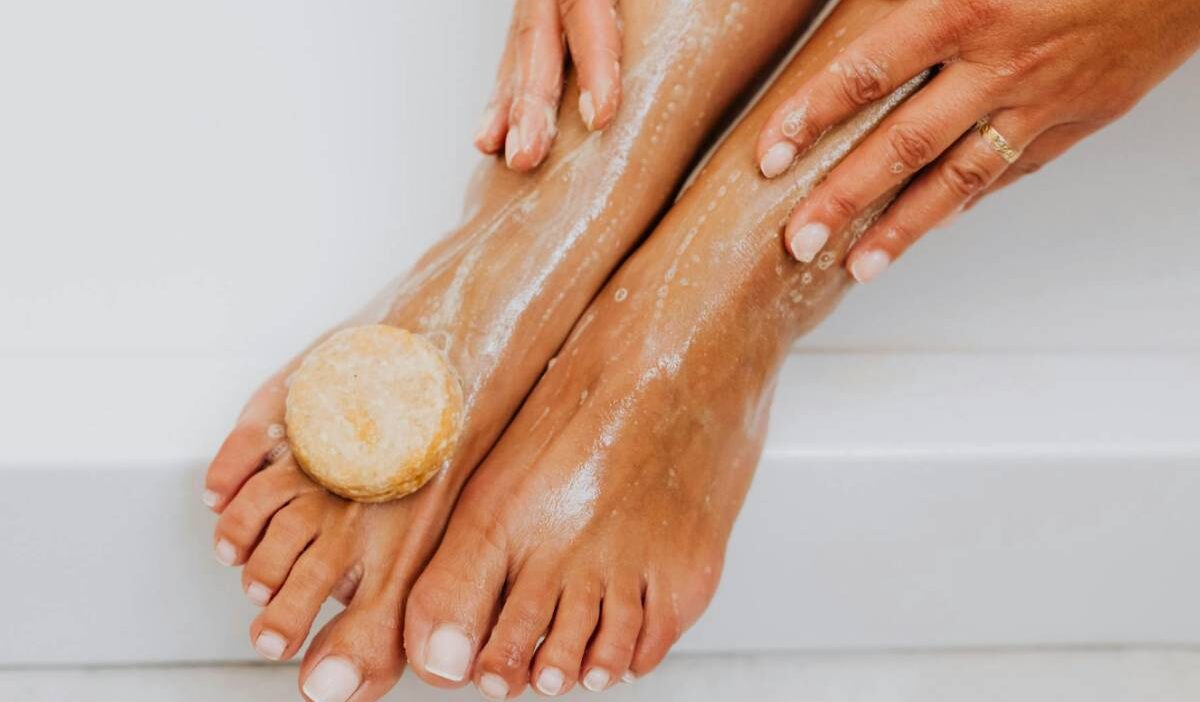
Why do your feet still feel rough even after scrubbing and moisturizing? That stubborn buildup is not random. It usually comes from constant pressure and friction, which push your skin to thicken as a form of protection. Over time, that layer becomes harder to remove, and quick fixes often make the cycle worse instead of solving it.
That is why figuring out how to get rid of dead skin on feet is not just about removing what you see. It is about understanding what is causing it to return. When you approach it the right way, you can smooth your skin without triggering the same buildup again.
Keep reading, because once you see what actually helps and what quietly makes things worse, the routine becomes much easier to get right.
1. Why Dead Skin Builds Up on Feet
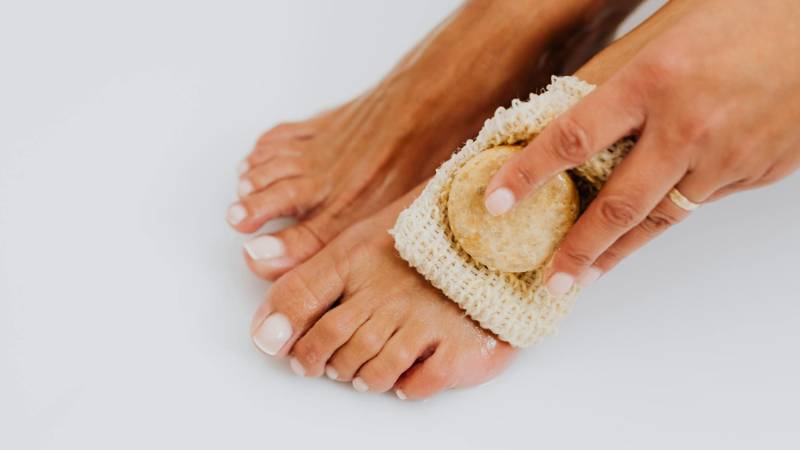
Dead skin on the feet builds up as a response to pressure, friction, and lack of moisture over time.
Unlike other areas, the skin on the feet is designed to be thicker so it can handle daily stress from walking and standing. When this stress increases, the body produces more skin cells to protect the area. These cells do not always shed evenly, which leads to buildup and rough patches.
Dryness makes this worse. When the skin loses moisture, it becomes less flexible and starts to harden as a protective layer. This is why areas like the heels often feel thick or cracked.
Friction from shoes also plays a role. Tight or poorly fitted footwear can concentrate pressure in certain spots, causing the skin to build up faster in those areas.
Some people may also notice tiny black dots on the skin suddenly, especially on the feet. These are often linked to clogged pores, debris trapped in thicker skin, or pressure-related changes. They tend to appear in areas where buildup is more noticeable.
>>>Read more: Brown Spots Suddenly Appearing on Skin: Causes, Warning Signs in 2026
2. How to Get Rid of Dead Skin on Feet Without Damaging Your Skin
When dealing with rough buildup, many people focus on removing as much as possible in one go. In reality, how to get rid of dead skin on feet effectively depends on removing it gradually while keeping the skin stable.
Dead skin forms as a protective response. If too much is removed at once, the skin reacts by thickening again, which makes the problem come back faster. This is why a controlled, layered approach works better than aggressive scrubbing.
If you are wondering why do I have so much dead skin on my feet, the answer usually comes down to repeated pressure, friction, and dryness. Because these factors are ongoing, your method of removal needs to be consistent rather than intense.
The process works best in stages: soften the skin, remove buildup gently, then restore moisture so the skin does not harden again.
2.1. Soak Feet to Soften Thick Skin
Softening the skin is what makes the rest of the process safe.
Warm water helps loosen hardened areas so they can be removed without force. When the skin is dry and rigid, any attempt to exfoliate will require pressure, which increases the risk of irritation.
A short soak is enough to prepare the skin. The goal is not to over-soak, but to make the surface more flexible so it responds better to gentle removal.
2.2. Use a Pumice Stone Gently
A pumice stone is most effective when used with patience.
Instead of trying to remove thick layers quickly, light circular motions help lift surface buildup little by little. This keeps the deeper skin intact and avoids triggering sensitivity.
Consistency matters more than pressure. Regular, gentle use leads to smoother results than occasional aggressive scrubbing.
2.3. Try a Foot File (Without Overdoing It)
Foot files can help with areas where the skin is thicker, especially around the heels.
However, this is where overdoing it becomes a problem. Applying too much pressure or using the file too often can weaken the skin barrier. When this happens, the skin often responds by producing even more buildup.
Using the file sparingly and with control helps maintain balance instead of restarting the cycle.
2.4. Apply a Rich Moisturizer After Exfoliating
This step determines how long your results last.
After exfoliation, the skin is more exposed and needs support. Applying a rich moisturizer helps restore flexibility and prevents the skin from hardening again.
Hydrated skin sheds more evenly, which reduces how quickly dead skin builds up. Without this step, even the best exfoliation routine will only give short-term results.
3. Exfoliation Methods Compared
When figuring out how to get rid of dead skin on feet, the method you choose affects not just how fast you see results, but how your skin behaves afterward.
Some approaches remove buildup immediately, while others work gradually to keep the skin more balanced over time. Choosing the right method helps you avoid irritation and prevents the cycle of thickening from repeating.
| Method | How It Works | Speed of Results | Control Level | Risk Level | Best For |
| Manual (Pumice, Foot File) | Physically removes surface skin through friction | Immediate | High | Medium if overused | Regular maintenance and small buildup |
| Chemical (AHAs, Urea) | Loosens dead skin by breaking down cell bonds | Gradual | High | Low to Medium | Smoother, long-term maintenance |
| Foot Peels | Removes multiple layers using stronger exfoliating acids | Delayed but noticeable peeling | Low | Higher | Occasional deeper exfoli |
>>>Read more: Why Are My Feet Peeling? 4 Common Reasons and What You Should Do Fast
4. What Not to Do When Removing Dead Skin
Learning how to get rid of dead skin on feet also means knowing what can make it worse.
- One of the most common mistakes is scrubbing too aggressively. It may seem effective at first, but it can damage the skin and trigger more buildup as a protective response.
- Using sharp tools or cutting thick skin is another risk. This can lead to injury and make the skin more sensitive over time.
- Over-exfoliating is also a problem. Combining multiple methods in a short period weakens the skin barrier and increases dryness.
- Skipping moisturizer after exfoliation can undo the results. Without hydration, the skin becomes rigid again and dead skin returns more quickly.
- Finally, using harsh or drying products can make the skin more reactive. A gentle and consistent approach works better than trying to remove everything at once.
>>>Read more: How to Tighten Neck Skin Naturally: 4 Simple Habits To Improve
5. How to Prevent Dead Skin From Building Up Again
Preventing buildup is just as important as learning how to get rid of dead skin on feet, because the causes, such as pressure and dryness, do not stop. Without maintenance, the skin will continue to thicken as a protective response.
A consistent routine helps keep the skin balanced, so it sheds more evenly instead of forming rough patches again.
Moisturize Daily
Daily hydration is one of the most effective ways to prevent buildup.
When the skin stays moisturized, it remains flexible and less likely to harden. This reduces the need for the body to create thicker layers as protection.
Applying moisturizer after showering or before bed helps lock in hydration and maintain a smoother surface.
Wear Supportive Footwear
Footwear directly affects how pressure is distributed across the feet.
Shoes that are too tight or lack support can create friction points where dead skin builds up faster. Wearing well-fitted, supportive shoes helps reduce this pressure and slows down the formation of rough areas.
Use Socks at Night
Using socks after applying moisturizer can improve how well the skin absorbs hydration.
This helps keep the skin softer for longer and prevents moisture from evaporating overnight. Over time, this habit can reduce how quickly dead skin returns.
Gentle Weekly Maintenance
Instead of waiting for the buildup to become thick, regular light maintenance works better.
Using a pumice stone or mild exfoliation once a week helps remove small amounts of dead skin before it accumulates. This keeps the skin more even and easier to manage.
6. FAQs
Why is there so much dead skin on my feet?
There is often so much dead skin on the feet because of constant pressure, friction, and dryness. These factors cause the skin to thicken as a protective response.
What causes dead skin on feet?
Dead skin on the feet is mainly caused by repeated pressure, lack of moisture, and uneven shedding of skin cells. Over time, these factors lead to visible buildup, especially on the heels and high-pressure areas.
7. Conclusion
Learning how to get rid of dead skin on feet is only part of the process. Maintaining the results requires consistent care that supports the skin over time.
By combining gentle exfoliation with regular hydration and reducing friction, it becomes easier to keep the skin smooth and prevent buildup from returning quickly.
Follow 456 Skin for expert-backed skincare insights and practical tips you can trust.