
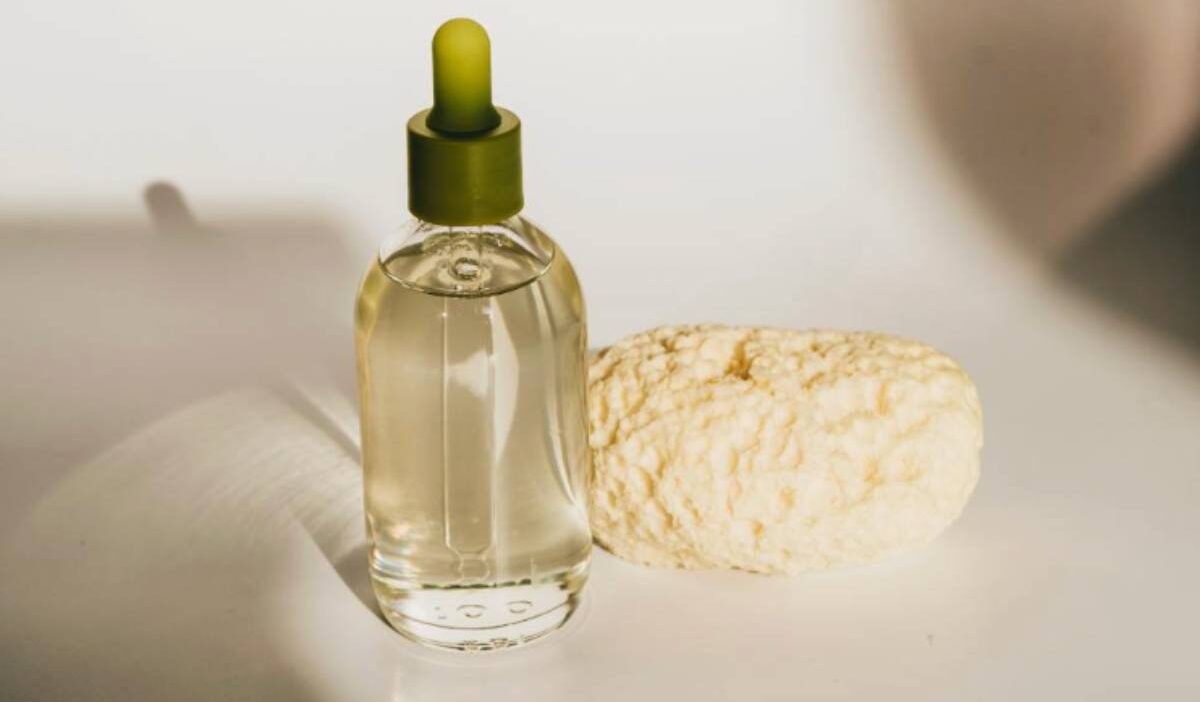
Baby oil is often used for softening and smoothing the skin, but its role in skincare is not always fully understood. While it can make the skin feel moisturized instantly, that effect does not come from adding hydration.
Is baby oil good for your skin depends on how and when it is used. It works by sealing moisture into the skin, which can be helpful in some cases, but may not suit every skin type or routine.
1. Is Baby Oil Good for Your Skin: Short Answer First
Baby oil can be good for your skin in certain situations, but it depends on how it is used and your skin type. It works best as a sealing step rather than a standalone product.
Is baby oil good for your skin comes down to its ability to lock in existing moisture. It does not hydrate the skin on its own, but it can help prevent water loss when applied over damp skin or after moisturizer.
If you are wondering is baby oil gel good for your skin, the answer is similar. Gel versions often include additional ingredients for texture, but they still function mainly as occlusives. Their effectiveness depends on what they are layered with and how the skin responds.
2. How Baby Oil Actually Works on Skin
Baby oil is primarily made from mineral oil, which interacts with the skin differently compared to hydrating ingredients. Understanding how it works helps explain why it feels effective but may not address deeper skin concerns.
Occlusive vs Hydrating Ingredients
Occlusive ingredients form a barrier on the surface of the skin, helping to reduce water loss. Hydrating ingredients, on the other hand, draw water into the skin.
Baby oil belongs to the occlusive category. It helps retain moisture that is already present, but does not actively increase hydration levels.
How Mineral Oil Prevents Water Loss
Mineral oil creates a thin layer over the skin that slows down evaporation. This helps maintain softness and prevents dryness, especially after washing or exposure to dry air.
By reducing water loss, it can make the skin feel smoother and more comfortable, particularly in areas that tend to become dry.
Why It Feels Moisturizing but Isn’t a Treatment
Baby oil often feels moisturizing because it leaves the skin smooth and reduces dryness on the surface. However, it does not contain active ingredients that improve skin condition over time.
It does not repair the skin barrier, increase hydration on its own, or address concerns like texture or breakouts. This is why it works best as a supportive step rather than a complete skincare solution.
Read more: Does Exfoliating Lighten Skin? The Real Effect on Skin Tone and Dark Spots 2026
3. When Baby Oil Can Be Beneficial
Baby oil is not a complete skincare product, but it can be useful in specific situations where the goal is to protect the skin and reduce moisture loss. Its effectiveness depends on how and when it is applied.
Extremely Dry Skin
For very dry skin, baby oil can help reduce tightness and flaking by sealing in existing moisture.
When applied over damp skin or after a hydrating product, it creates a barrier that slows down water loss. This can make the skin feel softer and more comfortable, especially in areas like elbows, knees, or hands that tend to become dry more quickly.
After Shower to Lock in Moisture
One of the most effective ways to use baby oil is immediately after showering.
At this point, the skin still holds some water, and applying baby oil helps trap that moisture before it evaporates. This can improve how hydrated the skin feels throughout the day without needing multiple layers of products.
Using a small amount and spreading it evenly helps avoid a heavy or greasy finish.
Reducing Friction or Chafing
Baby oil can also help reduce friction in areas where the skin rubs together or against clothing.
By creating a smooth surface, it lowers irritation caused by repeated contact. This can be useful in situations where the skin is exposed to movement or pressure for extended periods.
4. When Baby Oil Can Cause Problems
While baby oil can be helpful in certain cases, it may not suit every skin type or situation. Because it forms a barrier on the skin, it can also trap substances that lead to discomfort or imbalance.
Acne-Prone or Oily Skin
For oily or acne-prone skin, baby oil can feel too heavy and may contribute to congestion.
Although mineral oil itself is not highly comedogenic, the occlusive layer it creates can trap oil and debris on the surface. This can increase the likelihood of clogged pores over time, especially if the skin is not properly cleansed.
Trapping Sweat and Bacteria
Because baby oil forms a barrier, it can also trap sweat and bacteria underneath the surface.
In warm or humid conditions, this can make the skin feel uncomfortable and may lead to irritation. Applying it in these environments can sometimes worsen how the skin reacts throughout the day.
Layering Over Active Breakouts
Applying baby oil over areas with active breakouts can interfere with how the skin heals.
The occlusive layer may prevent the skin from regulating itself properly and can make breakouts appear more persistent. In these cases, lighter, non-occlusive products tend to work better.
5. Baby Oil vs Moisturizer: Are They the Same?
Baby oil and moisturizer are often used for similar purposes, but they do not function the same way. The difference lies in how they interact with water and the skin barrier.
A moisturizer is typically formulated with a combination of humectants, emollients, and occlusives. This allows it to both add hydration and help retain it.
Baby oil, on the other hand, acts mainly as an occlusive, meaning it seals moisture in but does not provide hydration on its own.
This is why baby oil can make the skin feel soft quickly, but may not improve dryness in the long term if used alone.
Lack of Humectants
Humectants are ingredients that draw water into the skin, helping to increase hydration levels.
Baby oil does not contain humectants, which means it cannot pull moisture into the skin. If the skin is already dry, applying baby oil alone may not improve hydration, as there is little water to retain.
No Barrier-Repair Ingredients
Moisturizers often include ingredients that support the skin barrier, such as ceramides or fatty acids.
Baby oil does not provide these components. While it helps reduce water loss, it does not actively strengthen or repair the skin barrier over time. This limits its role to surface-level comfort rather than long-term skin improvement.
When to Combine Them
Baby oil can be more effective when used alongside a moisturizer rather than as a replacement.
Applying a hydrating product first, followed by baby oil, helps trap moisture in place. This combination can improve how the skin feels, especially in dry conditions, without relying on baby oil alone.
6. Who Should Avoid Baby Oil Completely
Baby oil is not suitable for everyone, especially when certain skin concerns are present.
People with acne-prone or congested skin may want to avoid it, as the occlusive layer can trap oil and debris. This may increase the risk of clogged pores over time.
Those with very reactive or sensitive skin may also find that heavy occlusive products feel uncomfortable, particularly in warm or humid environments.
In addition, applying baby oil to areas with active irritation or breakouts can interfere with how the skin recovers. In these cases, lighter and more targeted products tend to be a better option.
7. FAQs
Is baby oil good for your skin?
Baby oil can be good for your skin when used to seal in moisture, especially after showering or applying a hydrating product. However, it does not provide hydration on its own and works best as a supporting step.
Is baby oil good for your skin adults?
Baby oil can be used by adults, particularly for dry areas of the body. Its effectiveness depends on skin type, as it may feel too heavy for oily or acne-prone skin.
8. Conclusion
Is baby oil good for your skin depends on how it is used and what your skin needs. It works best as a sealing step that helps reduce water loss rather than as a complete skincare solution.
When used correctly and in the right context, it can improve how the skin feels. However, understanding its limitations helps avoid using it in situations where it may not be the best choice.
Follow 456 Skin for expert-backed skincare insights and practical tips you can trust.