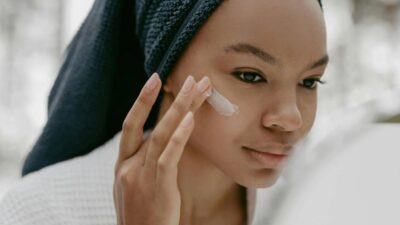

Oily skin can make sunscreen feel heavier than it should, especially when formulas leave behind excess shine or start to break down throughout the day. This often leads to skipping sunscreen altogether, even though it plays a key role in protecting the skin.
The best sunscreen for oily skin is designed to provide protection without adding weight or clogging pores.
Lightweight textures, balanced finishes, and ingredients that help manage shine can make daily use more comfortable and easier to maintain.
1. What Makes the Best Sunscreen for Oily Skin?
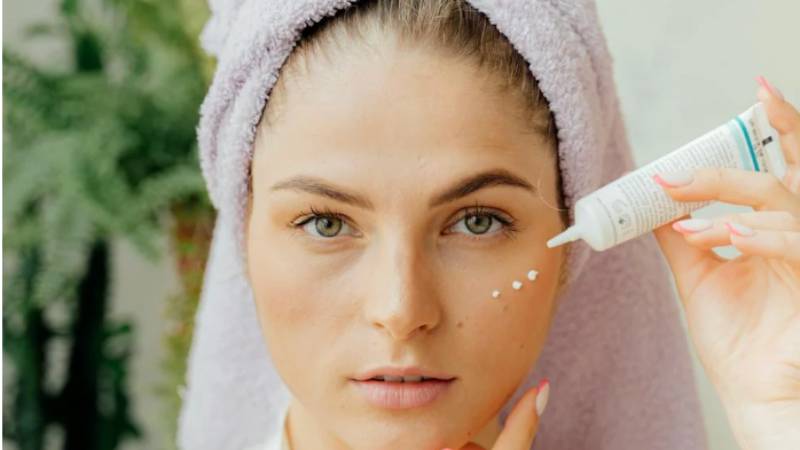
Both chemical and mineral sunscreens can work for oily skin, but they feel different once applied. The choice often depends on texture preference and how the formula behaves throughout the day.
Chemical Filters and Absorption
Chemical sunscreens use filters that absorb UV rays and convert them into heat. These formulas are often lightweight and designed to blend into the skin without leaving a visible layer.
For oily skin, this can feel more comfortable because the texture is usually thinner and less noticeable after application.
Mineral Filters and Oil Control
Mineral sunscreens rely on ingredients like zinc oxide or titanium dioxide to sit on the surface of the skin and reflect UV rays.
These formulas can sometimes feel thicker, but they may also help control shine slightly due to their matte finish. However, some mineral sunscreens can leave a visible cast if not well-formulated.
Which Feels Lighter on Oily Skin
In most cases, chemical sunscreens tend to feel lighter because they absorb more easily into the skin. This can make them more comfortable for everyday wear, especially in warm or humid conditions.
That said, newer mineral formulas are becoming more refined and lightweight. The best sunscreen for oily skin ultimately depends on how the product feels after a few hours, not just immediately after application.
2. Chemical vs Mineral Sunscreen for Oily Skin
Both chemical and mineral formulas can work well, but the best sunscreen for oily skin often depends on how the texture feels and wears throughout the day rather than just the type of filter.
Chemical Filters and Absorption
Chemical sunscreens absorb UV rays and convert them into heat. They are usually lightweight and blend easily into the skin, leaving little to no residue.
For oily skin, this can feel more comfortable because the formula tends to sit thinner and does not add an extra layer on the surface.
Mineral Filters and Oil Control
Mineral sunscreens sit on top of the skin and reflect UV rays. Because of this, they can sometimes feel slightly thicker.
However, they often provide a more matte finish, which can help reduce visible shine. This can be useful for those who prefer a less glossy look during the day.
Which Feels Lighter on Oily Skin?
In most cases, chemical sunscreens feel lighter because they absorb more quickly and leave a less noticeable finish.
That said, newer mineral formulas have improved significantly and can also feel lightweight when formulated well.
The best sunscreen for oily skin is ultimately the one that stays comfortable and does not become greasy after a few hours.
Read more: Can Sunscreen Make Your Skin Lighter? What It Really Does to Your Skin Tone
3. Ingredients That Help Control Shine
The best sunscreen for oily skin often includes ingredients that help manage excess oil without making the skin feel dry. Components like silica and oil-absorbing powders can reduce visible shine, while niacinamide helps regulate sebum over time.
Zinc oxide, commonly found in mineral formulas, can also contribute to a more matte finish. These ingredients work together to keep the skin looking balanced rather than overly glossy as the day goes on.
4. Best Sunscreen for Oily Skin Based on Your Concern
Not all oily skin behaves the same way. The best sunscreen for oily skin depends on what you are trying to manage during the day, whether that is breakouts, visible pores, excess shine in humidity, or how well it layers under makeup.
A formula that works in one situation may feel too heavy or too dry in another, so matching sunscreen to your specific concern can make daily use much easier to maintain.
For Acne-Prone Oily Skin
When breakouts are a concern, the texture and ingredient profile matter just as much as the level of protection. Heavy or occlusive sunscreens can trap oil and increase the likelihood of clogged pores.
Lightweight, non-comedogenic formulas tend to work better because they absorb quickly and do not leave a thick layer on the skin. Gel or fluid textures are often easier to wear throughout the day without feeling congested.
In practice, formulas such as La Roche-Posay Anthelios Clear Skin Oil-Free Sunscreen or EltaMD UV Clear Broad-Spectrum SPF 46 are often chosen in this category. They are designed to feel light while still helping keep the skin balanced and less prone to breakouts.
For Large Pores
When pores are more visible, the focus shifts to how the sunscreen sits on the surface. Thick or overly dewy formulas can settle into uneven areas and make pores stand out more.
The best sunscreen for oily skin in this case usually has a smoothing or soft-matte finish. It should blur slightly without feeling heavy, helping the skin appear more even.
Formulas such as Supergoop! Unseen Sunscreen SPF 40 or Biore UV Aqua Rich Watery Essence SPF 50+ are often used because they spread thinly and leave a more refined finish that works well with textured skin.
For Humid Climates
Humidity can make even lightweight products feel heavier as oil builds up throughout the day. In these conditions, sunscreen needs to stay stable without becoming greasy or breaking down quickly.
A fast-absorbing, oil-controlling formula is usually more comfortable. The finish should remain balanced even after a few hours, rather than shifting into a shiny layer.
Many people in humid environments reach for options like Neutrogena Ultra Sheer Dry-Touch Sunscreen SPF 55 or Anessa Perfect UV Sunscreen Skincare Milk because they are designed to feel lighter and hold up better in heat.
For Makeup Wearers
When sunscreen is worn under makeup, texture and layering become more important. A formula that pills or feels too slippery can affect how foundation sits on the skin.
The best sunscreen for oily skin in this case should act almost like a base. It should absorb well, leave minimal residue, and allow makeup to apply evenly on top.
Lightweight fluid sunscreens or primer-like formulas tend to work best. When applied in thin layers and allowed to set, they help create a smoother surface without interfering with coverage.
5. How to Apply Sunscreen on Oily Skin Without Looking Greasy?
Even the best sunscreen for oily skin can look greasy if it is applied incorrectly. Small changes in how you layer and set the product can make a noticeable difference in how it looks throughout the day.
Use the Right Amount
Using too little reduces protection, but applying too much at once can make the skin feel heavy. Spreading the correct amount evenly is more effective than applying a thick layer in one go.
Let Skincare Set First
Applying sunscreen immediately after skincare can cause products to mix and feel heavier. Letting previous layers absorb helps sunscreen sit better on the skin.
Apply in Thin Layers
Applying sunscreen in thinner layers makes it easier to control the finish. This helps prevent buildup and reduces the chance of excess shine.
Blot Instead of Reapplying Excess Product
When shine appears, blotting excess oil is often more effective than layering more product on top. This helps maintain a cleaner finish without making the skin feel heavier.
6. FAQs
What is the best sunscreen for oily skin?
The best sunscreen for oily skin is typically a lightweight, non-greasy formula that absorbs quickly and does not clog pores. Gel or fluid textures with a natural or soft-matte finish tend to work well.
Can sunscreen make oily skin worse?
Sunscreen can feel heavier on oily skin if the formula is too rich or not suited for your skin type. Choosing a lightweight option designed for oil control can help prevent excess shine and buildup.
Should oily skin use sunscreen every day?
Yes, daily sunscreen is important for all skin types. For oily skin, using a lightweight formula makes it easier to wear consistently without discomfort.
Conclusion
The best sunscreen for oily skin is the one that feels comfortable enough to use every day without adding unnecessary shine or weight. Texture, finish, and how the formula wears over time all play a role in how well it fits into your routine.
With the right formula and application technique, sunscreen can protect the skin while still maintaining a balanced, natural-looking finish.
Follow 456 Skin for expert-backed skincare insights and practical tips you can trust.